 CryptoChain Blog
Introduction to Solana and AVAX in 2026
The altcoin market continues evolving rapidly in 2026, with Layer 1 blockchains like Solana and Avalanche (AVAX) standing out for their performance and growing ecosystems. This guide offers beginners a clear, in-depth introduction without relying on direct comparisons to other chains. Instead, it focuses on each network's unique strengths, real-world applications, and practical entry points into decentralized finance and digital collectibles.
Whether you are new to crypto or looking to expand your knowledge, understanding these platforms helps navigate the expanding world of blockchain technology. Solana emphasizes high throughput for everyday transactions, while Avalanche prioritizes customizable subnets for specialized applications.
Fundamentals of Layer 1 Architectures
Layer 1 blockchains serve as the foundational networks where transactions are processed and validated directly on the main chain. Solana uses a proof-of-history consensus mechanism combined with proof-of-stake to achieve exceptional efficiency. This allows the network to handle thousands of transactions per second with low latency, making it suitable for applications requiring real-time responsiveness.
Avalanche employs a novel consensus protocol based on repeated voting among validators. Its architecture supports multiple interoperable blockchains within the primary network, enabling developers to launch custom chains tailored to specific use cases such as enterprise solutions or gaming economies.
Transaction Speeds and Scalability Features
Speed remains a critical factor for user adoption. Solana's design delivers sub-second finality for most transactions, supporting seamless interactions in busy environments like decentralized exchanges or NFT marketplaces. The network's focus on parallel processing helps maintain performance even during periods of high demand.
Avalanche achieves near-instant transaction confirmation through its consensus model, which prioritizes safety and liveness simultaneously. This makes it particularly effective for applications where quick settlement is essential, such as cross-chain asset transfers or time-sensitive financial operations.
Ecosystem Growth and Adoption Trends
Both networks have seen substantial ecosystem expansion by 2026. Solana hosts a vibrant community of developers building tools for payments, data storage, and decentralized applications. Its emphasis on mobile-friendly experiences has encouraged broader participation from users worldwide.
Avalanche's subnet technology has attracted projects seeking dedicated environments with customizable rules. This flexibility supports growth in sectors like supply chain management and tokenized real-world assets, contributing to a diverse range of active participants.
Entry-Level Use Cases in DeFi
Decentralized finance on these platforms offers accessible starting points for beginners. On Solana, users can explore liquidity provision in automated market makers or participate in lending protocols that allow earning yields on deposited assets through straightforward wallet interactions.
Avalanche supports similar DeFi activities with an emphasis on institutional-grade features. Beginners might begin with simple token swaps or staking mechanisms that provide exposure to network rewards while learning core concepts like impermanent loss and smart contract interactions.
NFT Applications and Creative Opportunities
Non-fungible tokens represent another gateway into these ecosystems. Solana enables low-cost minting and trading of digital art, music, and virtual goods, with marketplaces facilitating easy discovery and ownership transfers. Many projects focus on community-driven collections that reward early participants with utility tokens or exclusive access.
Avalanche powers NFT initiatives in gaming and metaverse environments, where custom subnets allow for unique mechanics such as dynamic token evolution or integrated marketplaces. Newcomers can start by acquiring entry-level collectibles to understand provenance and secondary market dynamics.
Practical Steps to Buy and Secure Holdings
Acquiring Solana or AVAX begins with selecting a reputable centralized exchange that lists both assets. Create an account, complete verification, and deposit funds using supported payment methods. Once purchased, withdraw holdings to a personal wallet for greater control.
Recommended steps include:
- Choose a non-custodial wallet compatible with each network, such as Phantom for Solana or Core for Avalanche.
- Enable two-factor authentication and use hardware wallets for larger amounts.
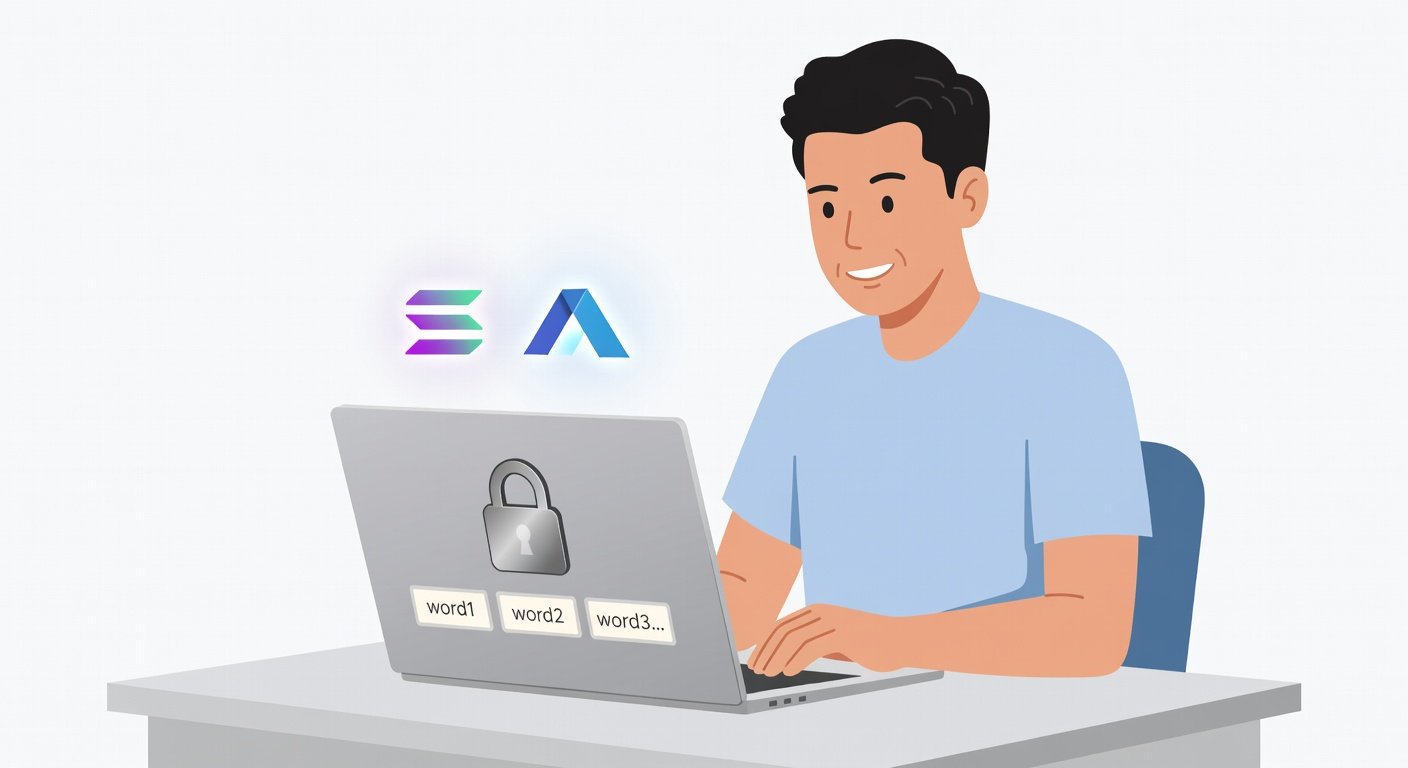
- Store seed phrases offline in multiple secure locations and never share them.
- Start with small test transactions to familiarize yourself with network fees and confirmation times.
Always verify contract addresses when interacting with decentralized applications to avoid common errors.
Common Pitfalls for Newcomers
Many beginners encounter issues related to wallet security or misunderstanding transaction mechanics. Avoid clicking suspicious links or approving unclear smart contract permissions. Overlooking network-specific address formats can lead to lost funds, so double-check compatibility before sending assets.
Another frequent mistake involves neglecting to research project fundamentals before engaging with new tokens or applications. Taking time to review official documentation reduces exposure to poorly designed or fraudulent schemes.
Starter Project Examples for Hands-On Learning
Begin with established decentralized exchanges on each network to practice token swaps. Solana users might explore simple yield farming interfaces, while Avalanche participants can experiment with subnet-based applications for a deeper understanding of custom blockchain deployment.
Community forums and official developer resources provide tutorials for creating basic NFTs or deploying sample smart contracts. These hands-on activities build confidence without requiring advanced technical skills.
Frequently Asked Questions on 2026 Performance
How do network upgrades impact usability?
Regular updates focus on improving developer tools and reducing friction for end users, enhancing overall accessibility throughout the year.
What factors influence long-term adoption?
Continued innovation in user interfaces, integration with traditional finance, and regulatory clarity all play roles in shaping sustained growth for these Layer 1 platforms.
Are there educational resources available?
Official documentation sites and community channels offer free guides, webinars, and interactive demos tailored for beginners entering the space in 2026.
Conclusion
Solana and Avalanche represent compelling options for those exploring Layer 1 altcoins in 2026. By understanding their architectures, experimenting with DeFi and NFT use cases, and following sound security practices, beginners can confidently participate in these dynamic ecosystems. Start small, stay informed through official channels like Solana and Avalanche, and build knowledge progressively for a rewarding experience.
No comments yet. Be the first!