 CryptoChain Blog
Introduction to 2026 NFT Passive Rewards
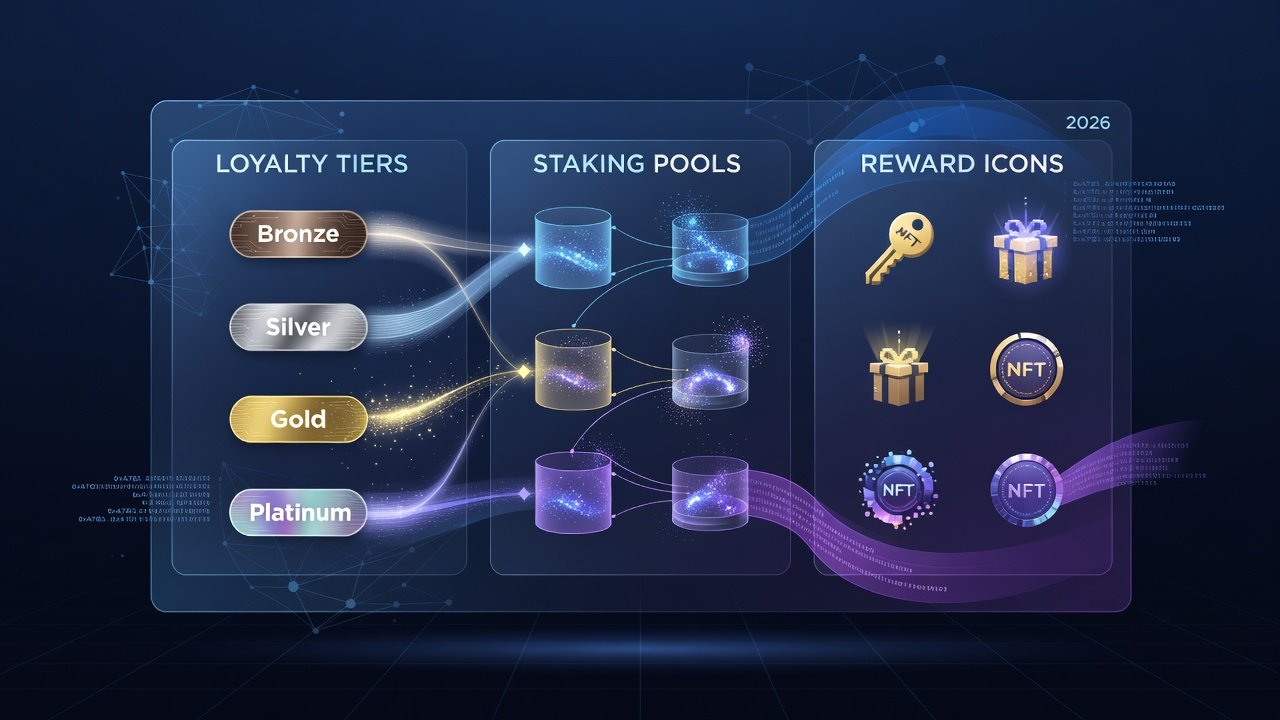
In 2026, NFT collectors and traders are shifting focus toward loyalty programs that generate passive rewards through holding, staking, and consistent engagement. These programs have evolved beyond simple point systems to include sophisticated staking mechanics, tiered benefit structures, and cross-marketplace integrations. Marketplaces like OpenSea and Blur lead the space, while emerging platforms introduce hybrid models that blend elements from both. This comprehensive comparison provides hands-on guidance for users seeking to optimize their NFT portfolios without constant trading activity.
The appeal lies in the ability to earn rewards passively while maintaining ownership of valuable digital assets. Collectors benefit from enhanced visibility and exclusive access, whereas traders gain fee reductions and boosted liquidity options. Understanding the nuances of each platform's loyalty framework is essential for making informed decisions that align with individual goals, whether that involves long-term holding or active portfolio management.
OpenSea Loyalty Program Mechanics and Tiered Benefits
OpenSea structures its loyalty program around trading volume, holding duration, and staking participation. Users accumulate points by locking NFTs into dedicated staking contracts, which then unlock progressive tiers offering increased reward multipliers. Higher tiers provide benefits such as priority listing placement, reduced platform fees during peak periods, and invitations to curated drops from verified creators.
Staking mechanics require users to select eligible NFTs and commit them for variable lock periods ranging from 30 days to six months. During this time, points accrue based on asset rarity and market demand signals. Real-user examples show that collectors with diversified portfolios across art, gaming, and utility NFTs often reach mid-tier status within the first quarter, leading to measurable improvements in sales velocity.
Practical Onboarding for OpenSea Users
Begin by connecting a compatible wallet to the OpenSea platform. Navigate to the loyalty dashboard, review available staking pools, and select assets that match your collection strategy. Confirm the staking transaction and monitor progress through the integrated analytics panel. Regular engagement with the community forums can reveal additional point-earning opportunities not immediately visible in the interface.
Blur's Staking Pools and Trader-Focused Rewards
Blur differentiates itself by integrating token staking with NFT loyalty mechanics. Participants stake a combination of the native Blur token and selected NFTs into shared liquidity pools. Rewards derive from a portion of protocol fees, distributed proportionally to stake size and duration. Tiered benefits scale with metrics like bid frequency, successful trades, and portfolio diversity, unlocking perks such as enhanced search rankings and collaborative marketplace features.
Cross-marketplace perks include discounted access to partnered platforms and shared reward pools that extend benefits beyond Blur's native environment. Traders report that maintaining consistent activity across bidding and listing functions accelerates tier progression more effectively than passive holding alone.
Step-by-Step Setup on Blur
- Link your wallet and verify eligibility through the staking interface.
- Choose from available NFT and token pool combinations based on your holdings.
- Approve and execute the staking transaction while noting any gas considerations.
- Track accumulated rewards and tier status via real-time dashboards.
- Reinvest earned tokens strategically to compound benefits over time.
Emerging Platforms and Innovative Loyalty Features
Emerging platforms in 2026 build upon established models by incorporating cross-chain staking and community-driven governance. These systems allow users to stake assets originating from multiple blockchains within a unified interface. Additional features include voting rights on future reward allocations and bonus multipliers for early participants in new collections.
Integration with major marketplaces like OpenSea and Blur enables seamless asset transfers while preserving loyalty progress. Users often begin with smaller stakes to test mechanics before scaling commitments across platforms.
Detailed Comparison of Loyalty Programs
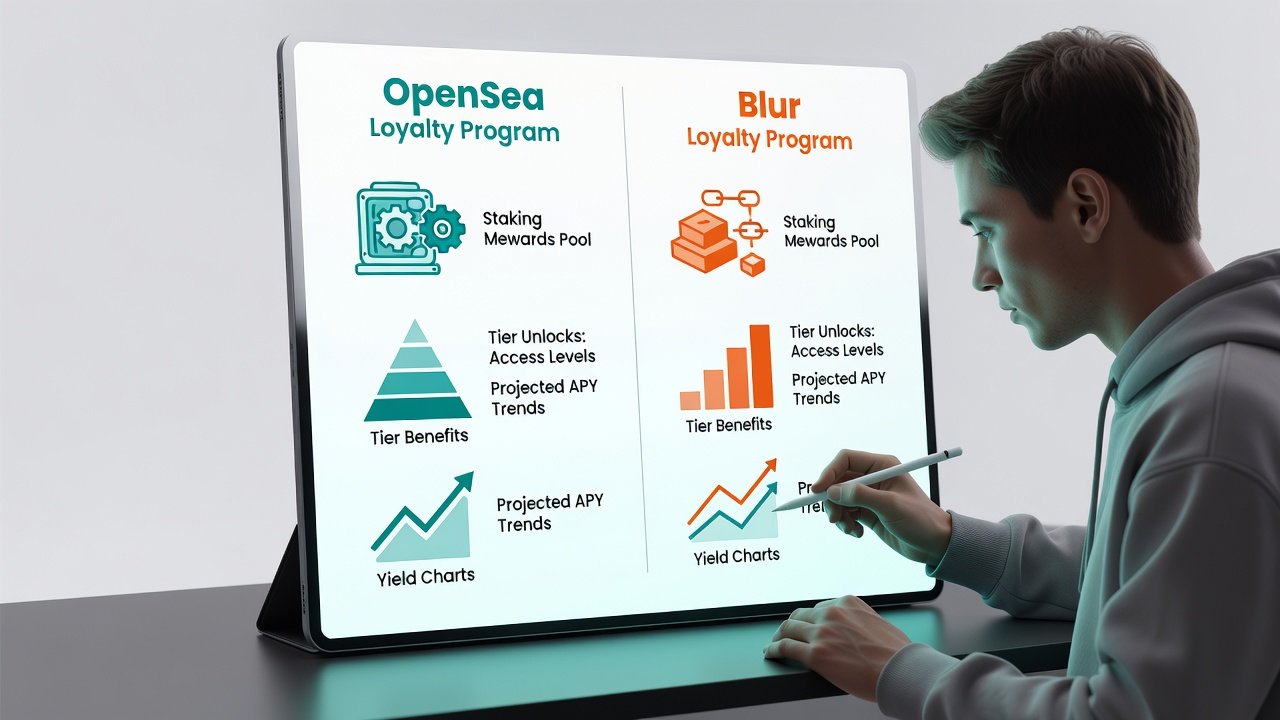
Selecting the optimal platform requires evaluating staking flexibility, benefit scalability, and integration depth. The following table summarizes key differences for quick reference.
| Platform | Staking Mechanics | Tiered Benefits | Cross-Marketplace Perks | Best For |
|---|---|---|---|---|
| OpenSea | NFT locking for points accrual | Volume and duration tiers | Listing visibility and drop access | Collectors focused on long-term holding |
| Blur | Combined token and NFT pools | Activity and diversity tiers | Fee discounts and liquidity boosts | Active traders seeking efficiency |
| Emerging Platforms | Cross-chain and governance options | Voting and multiplier tiers | Multi-platform reward sharing | Users exploring experimental yields |
Beyond the table, OpenSea emphasizes ease of use for beginners, Blur rewards high-frequency engagement, and emerging options appeal to those comfortable with newer protocols. Yield benchmarks in late 2026 remain tied to overall market sentiment, with rewards fluctuating based on trading volumes rather than guaranteed returns.
Real-User Examples and Maximizing Returns
One collector documented staking a balanced mix of generative art NFTs on OpenSea, reaching the second tier within four months and experiencing a noticeable uptick in secondary sales inquiries. A trader on Blur combined token staking with regular bidding activity, achieving top-tier status that translated into sustained fee savings across multiple transactions.
To maximize returns, prioritize assets with strong community backing, maintain activity logs to identify optimal staking windows, and periodically review tier requirements as platforms update algorithms. Diversifying across two programs simultaneously can hedge against single-platform policy shifts while capturing varied reward types.
Risk Considerations and Common Pitfalls
Participants must account for smart contract risks, including potential vulnerabilities in staking mechanisms. NFT valuations can decline during market downturns, affecting overall portfolio performance even when rewards accrue. Platform-specific changes to reward formulas or eligibility criteria represent another variable that requires ongoing attention.
Avoid common mistakes such as staking without reviewing lock-up terms, neglecting wallet security best practices, or chasing unverified emerging platforms without thorough due diligence. Always cross-reference official documentation and consider starting with minimal commitments to familiarize yourself with each system's interface and reward cadence.
Expanded FAQs on Passive NFT Rewards
How frequently should rewards be claimed?
Claiming schedules vary by platform, but monthly reviews aligned with market cycles help optimize reinvestment decisions without excessive transaction costs.
Can I transfer staked NFTs between programs?
Transfers typically require unstaking first, which may reset accumulated progress. Plan commitments carefully to avoid unnecessary interruptions.
What role does community participation play?
Active involvement in governance votes or platform events often unlocks supplementary multipliers not available through staking alone.
How do yield benchmarks compare qualitatively?
Established platforms like OpenSea and Blur tend toward stable but moderate rewards, while emerging options may offer higher variability depending on adoption rates.
Are there tax implications for passive rewards?
Rewards are generally treated as taxable events upon receipt or conversion. Consult local regulations and maintain detailed records of all transactions.
Conclusion
Navigating 2026 NFT passive rewards involves weighing the strengths of OpenSea for visibility-focused collectors, Blur for trader efficiency, and emerging platforms for innovative features. By following detailed onboarding processes, monitoring real-world examples, and proactively managing risks, users can build sustainable strategies that enhance portfolio value over time. Regular evaluation ensures alignment with evolving market conditions and personal objectives.
No comments yet. Be the first!