 CryptoChain Blog
Introduction to 2026 NFT Evolution
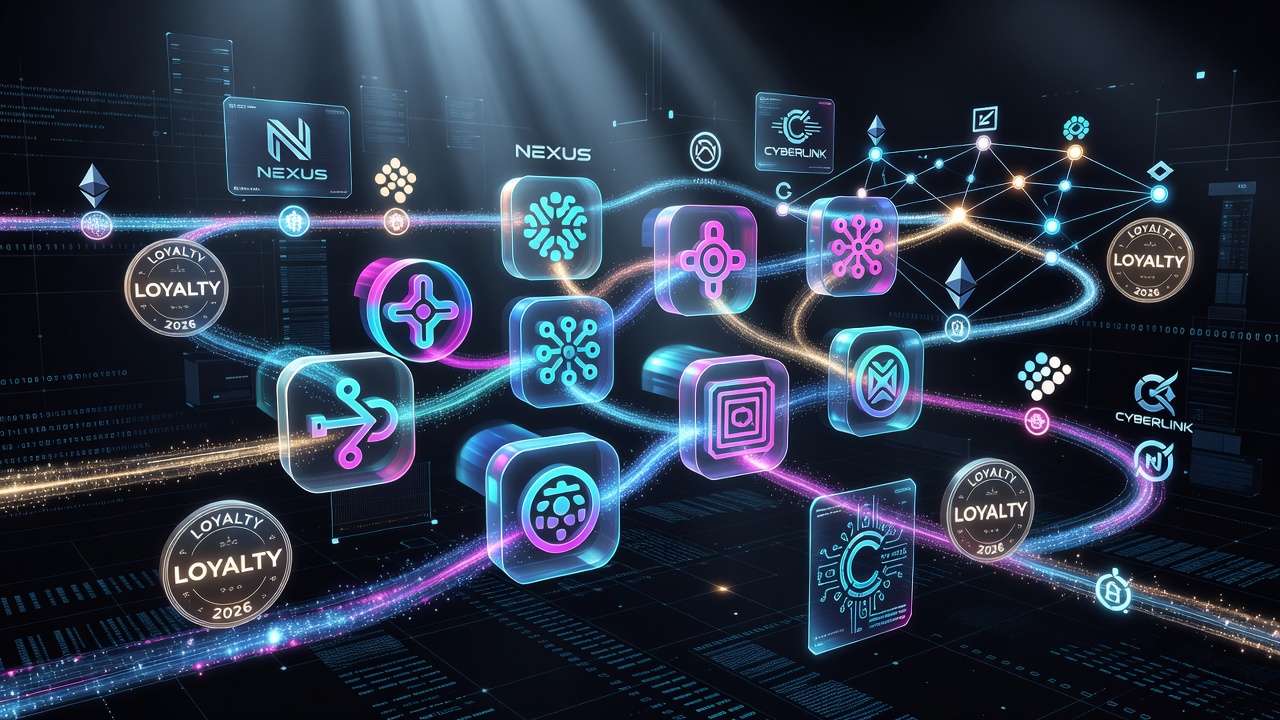
In 2026, non-fungible tokens have moved far beyond simple digital collectibles into sophisticated tools delivering ongoing real-world value. New utility standards emphasize dynamic functionality, cross-platform interoperability, and deep integration with loyalty programs across multiple industries. Businesses and creators now prioritize NFTs that evolve with user behavior, grant verifiable access rights, and connect seamlessly between digital and physical experiences. This maturation of blockchain technology reflects increased enterprise adoption and consumer demand for tokens that provide tangible benefits rather than static ownership.
Readers seeking actionable updates on evolving NFT markets will discover detailed insights into emerging protocols, platform comparisons, real brand implementations, regulatory landscapes, and step-by-step guidance for entering the space. The focus remains on practical developments that drive measurable outcomes in engagement, retention, and new revenue opportunities.
New Protocols for Dynamic NFTs
Dynamic NFTs represent a major advancement, allowing metadata and attributes to change in response to real-world events, user interactions, or external data inputs. Building on standards such as ERC-721 with updatability extensions and newer proposals like ERC-5725 for vesting, these tokens can automatically upgrade tiers, unlock features, or reflect performance metrics. For example, an NFT tied to a fitness program might increase its visual rarity or reward multipliers as the holder completes verified workouts through integrated wearables.
Technical implementation typically involves oracle feeds or event listeners within smart contracts to trigger updates without manual intervention. This responsiveness enhances utility in gaming where character attributes evolve based on in-game achievements, supply chain tracking where provenance data updates in real time, and membership platforms where status reflects cumulative activity. Developers benefit from modular contract libraries that reduce development time while maintaining security through audited upgrade mechanisms.
Interoperability Improvements Across Chains
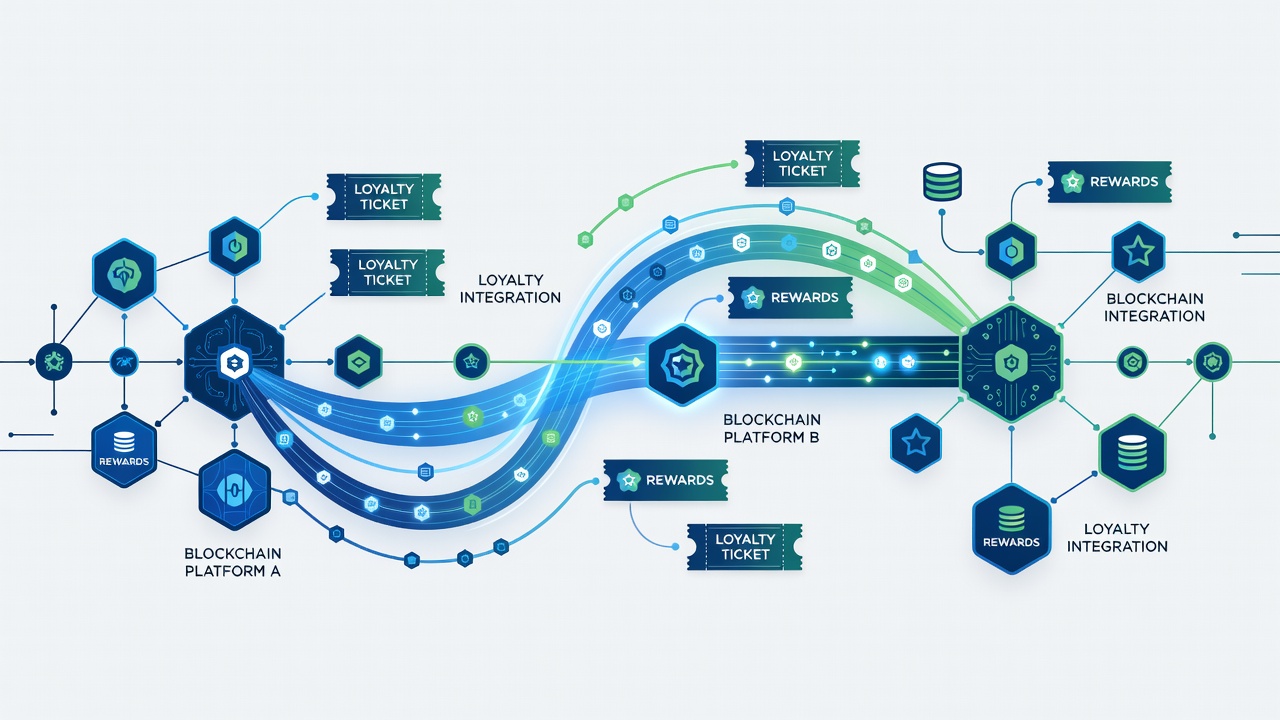
Interoperability continues to advance as a core priority, enabling NFTs to move between blockchains while preserving their utility and metadata integrity. Cross-chain standards and bridge protocols now support seamless transfers across Ethereum, Solana, Polygon, and newer Layer-2 networks. Wrapped NFT mechanisms and standardized messaging layers ensure that rights, royalties, and dynamic properties remain enforceable regardless of the destination chain.
These improvements address previous fragmentation issues, allowing users to leverage an NFT purchased on one platform within applications on another. Enhanced metadata schemas promote consistency, while security audits of bridge contracts mitigate risks associated with transfers. The result is a more connected ecosystem where utility-bearing tokens function across decentralized applications without loss of value or functionality.
Integration with Loyalty Programs
Brands embed NFTs into loyalty initiatives to create persistent, transferable benefits that span digital and physical channels. These tokens can represent tiered membership levels, grant access to exclusive events, or serve as redeemable rewards verified on-chain. Integration combines blockchain immutability with existing customer relationship management systems, enabling hybrid experiences that track participation and personalize offers automatically.
Industries leading adoption include travel, where NFTs unlock flight upgrades or lounge access; retail, where purchase history evolves the token to unlock higher discounts; and entertainment, where holders gain priority ticketing or backstage passes. The on-chain component provides transparent verification while off-chain APIs handle real-world fulfillment, creating a balanced system that appeals to both tech-savvy and mainstream consumers.
Platform Comparisons
Choosing the right platform requires evaluating security, scalability, costs, and integration capabilities:
- Ethereum-based solutions: Offer robust security, extensive developer tooling, and strong regulatory familiarity, making them suitable for complex dynamic standards and enterprise compliance needs.
- Solana ecosystems: Deliver high throughput and minimal transaction costs, ideal for high-volume loyalty programs requiring frequent updates or redemptions.
- Specialized Layer-2 networks: Provide a balance of scalability and Ethereum compatibility, supporting broader accessibility while inheriting base-layer security features.
- Emerging multi-chain frameworks: Focus on native interoperability from the ground up, reducing reliance on external bridges for cross-platform utility.
Businesses typically assess gas fee predictability, availability of audited templates, and ease of CRM integration during platform selection. Ethereum often prevails for projects needing strong legal positioning, while Solana supports rapid scaling for consumer-facing applications.
Case Studies of Brand Launches
Leading brands illustrate the practical impact of utility-focused NFTs. A major airline deployed NFTs representing frequent flyer status, allowing automatic tier upgrades based on miles flown and seamless transfer of perks between accounts. Retail chains introduced membership NFTs that evolve with purchase history, resulting in higher repeat engagement and new secondary market revenue from trading limited-edition rewards.
Additional examples include a global hotel group issuing NFTs for lifetime loyalty benefits that integrate with booking systems for instant room upgrades, and a sports franchise creating fan tokens that grant voting rights on team decisions alongside exclusive merchandise access. These implementations demonstrate measurable improvements in retention rates and customer lifetime value through verifiable, evolving utility.
Regulatory Considerations for Creators
Creators and businesses must address evolving regulations concerning securities classification, consumer protection, data privacy, and cross-border transfers. Jurisdictions differ significantly, with some requiring clear disclosures when utility claims border on investment promises. Resources from SEC help distinguish utility tokens from investment contracts, while consumer protection guidance is available through FTC materials on digital asset promotions.
Effective compliance strategies include drafting transparent terms of service, implementing KYC processes for higher-value programs, and conducting regular legal reviews as frameworks update. Monitoring developments in major markets prevents enforcement actions and builds trust with users who expect responsible handling of their digital assets.
Practical Steps for Businesses Entering the Space
Businesses can follow this structured approach to launch successful utility NFT programs:
- Define specific utility outcomes aligned with customer needs and existing loyalty structures, ensuring the NFT delivers clear, ongoing value rather than one-time perks.
- Select standards supporting dynamic updates and interoperability, prioritizing audited contract templates that allow future enhancements without full redeployment.
- Partner with experienced developers and platforms that offer robust security audits, scalable infrastructure, and seamless connections to existing CRM or ERP systems.
- Pilot small-scale programs with limited user groups to test engagement metrics, redemption flows, and technical performance before broader rollout.
- Establish compliance frameworks early by consulting legal experts familiar with digital asset regulations in target jurisdictions.
- Measure ROI through on-chain analytics combined with user surveys, iterating on features based on real adoption data and feedback loops.
This methodical process reduces common risks while positioning organizations for sustainable growth in the utility NFT market.
FAQ: Common Adoption Challenges
How do dynamic NFTs handle data privacy?
Implement hybrid architectures using off-chain storage for sensitive information paired with selective on-chain cryptographic proofs to maintain transparency without exposing personal details.
What interoperability tools are most reliable in 2026?
Established, repeatedly audited bridge protocols combined with standardized cross-chain messaging layers provide dependable connectivity across major networks.
Are there risks in loyalty NFT programs?
Primary risks involve smart contract vulnerabilities and shifting regulatory interpretations; regular third-party audits and flexible contract designs help mitigate these concerns effectively.
How can small businesses start without high costs?
Begin with established marketplaces offering ready-to-use utility templates on low-fee chains, focusing on core features before expanding to custom dynamic elements.
What metrics best track NFT utility success?
Key performance indicators include redemption rates, secondary market activity, user retention lift, and on-chain engagement frequency measured over quarterly periods.
Conclusion
2026 represents a pivotal period for NFT utility standards, with dynamic capabilities, interoperability advances, and loyalty integrations driving meaningful real-world adoption. Organizations that emphasize clear value delivery, technical robustness, and regulatory compliance position themselves for lasting success. Continued reference to authoritative sources such as Ethereum Foundation documentation and Solana developer resources supports informed innovation as the market evolves.


No comments yet. Be the first!