 CryptoChain Blog

Introduction to DePIN Wireless Node Rewards in 2026
Decentralized Physical Infrastructure Networks (DePIN) continue to evolve rapidly, offering individuals opportunities to earn cryptocurrency by deploying wireless nodes. Projects like Helium enable participants to provide LoRaWAN coverage and earn tokens through active participation. This guide focuses on actionable strategies for beginners seeking to maximize earnings in 2026 through wireless DePIN deployments. As networks mature, wireless nodes have become accessible entry points for those interested in contributing to real-world infrastructure while generating passive income streams. Understanding the ecosystem requires attention to technical setup, ongoing management, and market dynamics that influence token distributions.
Understanding Wireless DePIN Projects
Wireless DePIN networks leverage community-owned hardware to build global connectivity infrastructures. Unlike centralized telecom, these systems reward node operators for coverage, data transfer, and network utility. Helium remains a leading example, with its model expanded to include 5G and other wireless protocols by 2026. Participants benefit from a permissionless model where anyone can join by running compatible devices. The core incentive mechanism relies on cryptographic proofs that verify the node's contribution to the network's overall value. This approach democratizes infrastructure development and creates economic opportunities in areas traditionally dominated by large corporations.
Hardware Selection for Optimal Performance
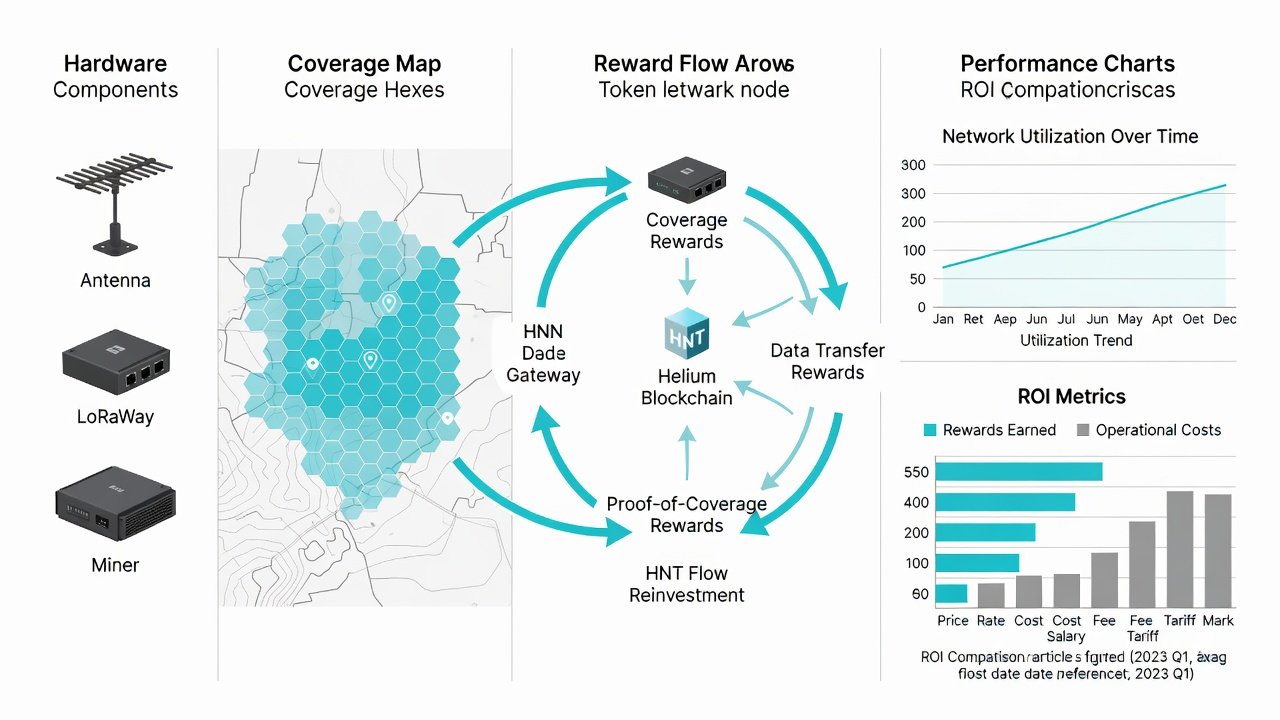
Choosing the right hardware is critical for long-term rewards. Beginners should prioritize devices with strong antennas, reliable power efficiency, and compatibility with current firmware. Popular options include outdoor hotspots with high-gain antennas for better signal reach. Consider factors such as location density and local regulations when selecting models. Indoor units may suffice for urban apartments, while rural operators often need weatherproof enclosures and extended range capabilities. Evaluating power consumption helps control operational costs, and checking for modular designs allows future upgrades without full replacement. Research community forums for user experiences with specific models to avoid common compatibility issues.
Step-by-Step Setup Process
- Research local zoning and frequency regulations before purchase.
- Acquire certified hardware from reputable vendors.
- Install the node in an elevated, unobstructed location to maximize line-of-sight coverage.
- Connect to the network via official apps and complete onboarding with wallet integration.
- Monitor performance through dashboards and optimize placement iteratively based on signal reports.
- Perform regular firmware updates and physical inspections to maintain peak efficiency.
Reward Calculations and ROI Benchmarks
Earnings depend on coverage area, data relayed, and network demand. Operators typically see rewards based on proof-of-coverage mechanisms. Real deployments show that strategic placement in underserved areas yields higher returns over time compared to saturated urban zones. Always factor in electricity and maintenance costs for accurate projections. Benchmarks from various regions indicate that consistent uptime and optimal positioning lead to compounding benefits as the network grows. Tracking metrics such as witnessed beacons and data packets transferred provides insights into performance trends. Operators can use built-in analytics to compare their node against network averages and adjust strategies accordingly.
Monitoring and Optimization Techniques
Effective monitoring involves daily review of coverage maps and reward logs. Tools provided by the network allow visualization of signal propagation and identification of blind spots. Optimization might include adjusting antenna angles, elevating mounting positions, or adding signal boosters where permitted. Seasonal changes in foliage or weather can impact performance, requiring proactive adjustments. Many successful operators maintain logs of changes and correlate them with reward fluctuations to refine their approach over months.
US and EU Compliance Considerations
Operators must adhere to spectrum regulations. In the US, devices require FCC certification. In the EU, CE marking and national frequency rules apply. Consult official resources such as the FCC website for updates. Non-compliance can result in fines or node deactivation. Additional considerations include data privacy laws and local permitting for outdoor installations. In Europe, operators should reference guidelines from recognized bodies to ensure alignment with evolving standards. Documentation of compliance efforts protects against potential disputes and supports long-term operation.
Legal and Tax Implications
Beyond technical compliance, operators should understand tax obligations related to token earnings. Reporting requirements vary by jurisdiction, and consulting a local tax professional is advisable. Record-keeping for hardware purchases, electricity usage, and reward receipts simplifies annual filings. Some regions classify node operations as business activities, which may affect deductions and liability coverage.
Risk Factors to Evaluate
Key risks include hardware failure, regulatory changes, token price volatility, and network competition. Diversifying across multiple projects and maintaining insurance for equipment can mitigate losses. New operators should start small to test viability. Environmental factors such as extreme weather or vandalism also pose threats in certain locations. Network-level risks involve protocol upgrades that could temporarily disrupt earnings or alter reward formulas. Staying informed through official channels reduces exposure to unexpected shifts.
Comparisons to Storage and Energy Nodes
Wireless nodes often require less ongoing maintenance than storage nodes like those in Filecoin networks, which demand significant disk space and bandwidth. Energy nodes focus on grid contributions but may involve higher capital for solar setups. Wireless DePIN typically offers faster setup and lower entry barriers for beginners. Storage deployments emphasize data redundancy and retrieval speeds, while energy projects tie rewards to generation capacity and grid stability. Wireless operations excel in mobility and scalability, allowing operators to relocate nodes more easily than fixed energy installations.
Case Studies from Real Deployments
One operator in a suburban area reported consistent coverage rewards after optimizing antenna height, achieving steady monthly yields through consistent uptime. The deployment involved initial testing of multiple sites before settling on a location with minimal interference. Another in a rural EU location combined Helium with complementary protocols for diversified income. This approach balanced coverage contributions with data transfer rewards, resulting in more stable overall returns despite seasonal variations. A third example from a mid-sized city highlighted the value of community collaboration, where operators shared data on optimal configurations to improve collective performance. These examples highlight the importance of location analysis and iterative improvements.
Scaling Your DePIN Setup
Once comfortable with a single node, expand by adding units in complementary locations. Use analytics tools to identify high-potential sites. Join community forums for shared insights on best practices. Scaling successfully requires careful management of power sources and internet backhaul for each additional device. Consider phased rollouts to monitor impact on individual node performance and overall portfolio returns. Advanced operators often develop custom scripts for automated monitoring across fleets.
Common Mistakes to Avoid
- Installing nodes in low-traffic areas without prior signal testing.
- Ignoring firmware updates that address security and efficiency.
- Overlooking local noise levels from competing wireless devices.
- Failing to secure physical installations against tampering.
Future Outlook for Wireless DePIN in 2026
The landscape is expected to incorporate more integration with IoT applications and enterprise partnerships. This evolution could increase data demand and reward opportunities for well-positioned nodes. Staying adaptable to new protocols will be key for sustained success.
Frequently Asked Questions
How long does it take to see initial rewards?
Most nodes begin earning within days of activation, though full optimization may take weeks depending on placement and network activity.
Is specialized technical knowledge required?
Basic networking skills suffice for most setups, with detailed guides available from project teams and community resources.
What happens if the network updates its protocol?
Operators receive notifications and firmware updates to maintain compatibility and continue earning without interruption.
Can multiple nodes be run from the same location?
Yes, but operators must ensure sufficient spacing and distinct coverage zones to avoid diminishing returns.
How do environmental factors affect performance?
Trees, buildings, and weather can attenuate signals, making elevated and clear placements essential for maximum effectiveness.
Conclusion
Deploying wireless DePIN nodes offers a practical path to crypto earnings in 2026 when approached strategically. Focus on compliance, hardware quality, and ongoing optimization to build sustainable returns. Start with thorough research and scale methodically for the best results. For further reading on decentralized networks, explore resources from Helium's official site.

No comments yet. Be the first!