 CryptoChain Blog
Introduction to Ethereum L2 Interoperability in 2026
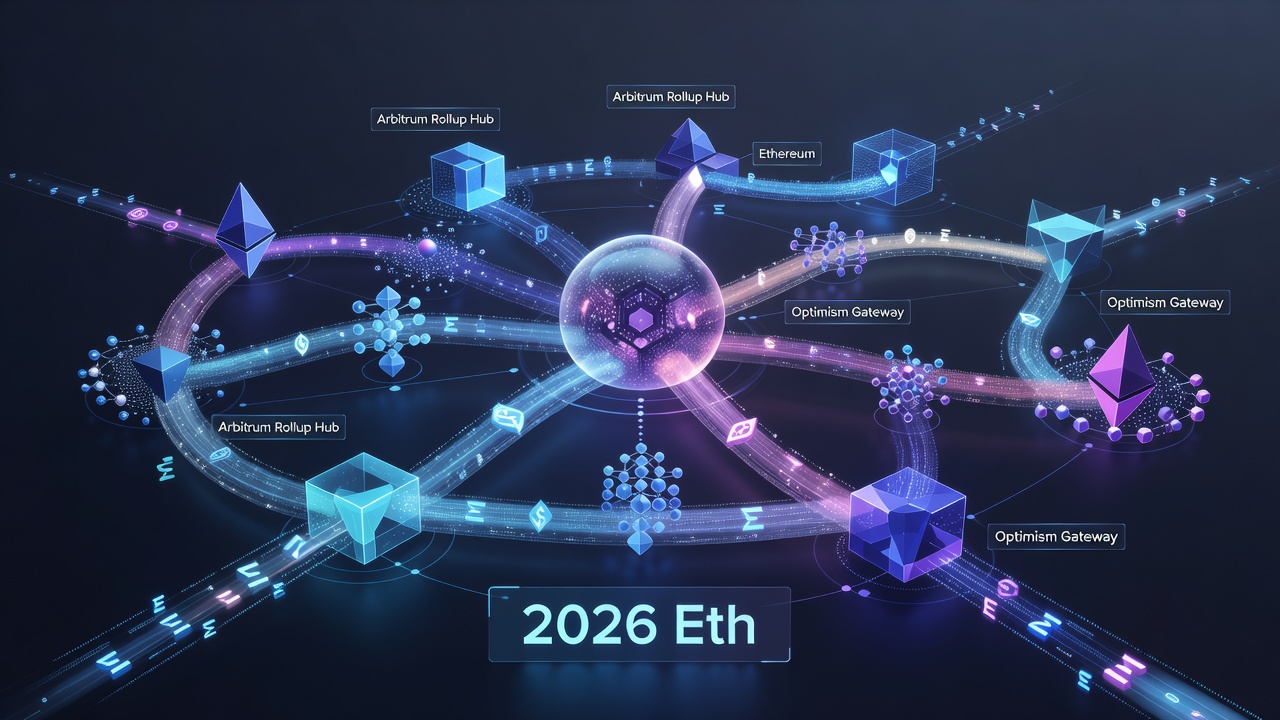
As Ethereum continues its scaling journey, Layer 2 solutions have become central to handling high transaction volumes while maintaining security. In 2026, interoperability between these L2 networks stands out as a critical focus, enabling seamless asset and data movement across rollups. Developers and users now benefit from protocols that reduce friction in cross-chain operations, directly impacting DeFi liquidity and dApp usability. The rapid growth of rollups such as Optimism, Arbitrum, Base, and zkSync has created a vibrant ecosystem, but fragmentation remains a challenge. Interoperability solutions address this by allowing assets like ETH and stablecoins to move freely, while also supporting complex data transfers needed for advanced smart contract interactions.
This article examines the latest advancements, real-world protocol examples, technical hurdles, and actionable comparisons to help you navigate these updates effectively. Whether you are a developer building cross-rollup dApps or a user seeking efficient bridging, understanding these developments is essential for staying competitive in the evolving Ethereum landscape.
Major Protocols Powering Cross-Rollup Transfers
Several established and emerging protocols facilitate asset and message transfers between leading L2s. Solutions like Across Protocol leverage intent-based architectures for fast bridging, allowing users to specify desired outcomes rather than managing complex routing. Hop Exchange emphasizes liquidity pools optimized for rollup-to-rollup movement, reducing slippage on popular routes. Newer entrants build on standards like the Cross-Chain Interoperability Protocol (CCIP) to standardize data flows across optimistic and zero-knowledge rollups alike.
Real-world examples include DeFi platforms integrating these for unified liquidity pools. For instance, users can move ETH from Arbitrum to Optimism in minutes without centralized custodians, thanks to optimistic verification mechanisms. Major decentralized exchanges now route trades automatically across multiple L2s using these bridges, improving price discovery and reducing overall costs. Authoritative resources such as ethereum.org provide foundational details on these scaling approaches, while arbitrum.io offers insights into specific L2 implementations.
Technical Challenges: Message Passing Standards and Security
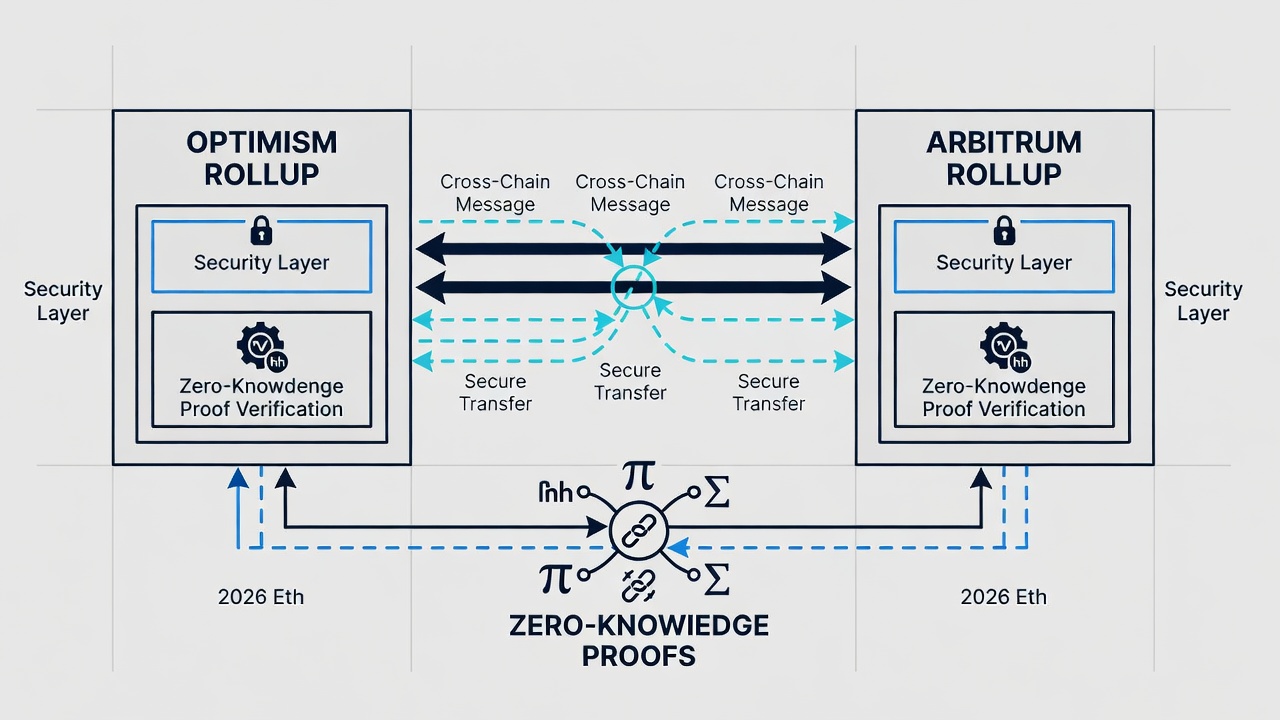
Message passing remains a core challenge. Different L2s use varied execution environments, requiring standardized formats to avoid data mismatches. Projects address this through shared sequencers and zero-knowledge proofs for verification. For example, when transferring an NFT from Base to zkSync, metadata must remain intact, which demands robust encoding standards that all participating networks recognize.
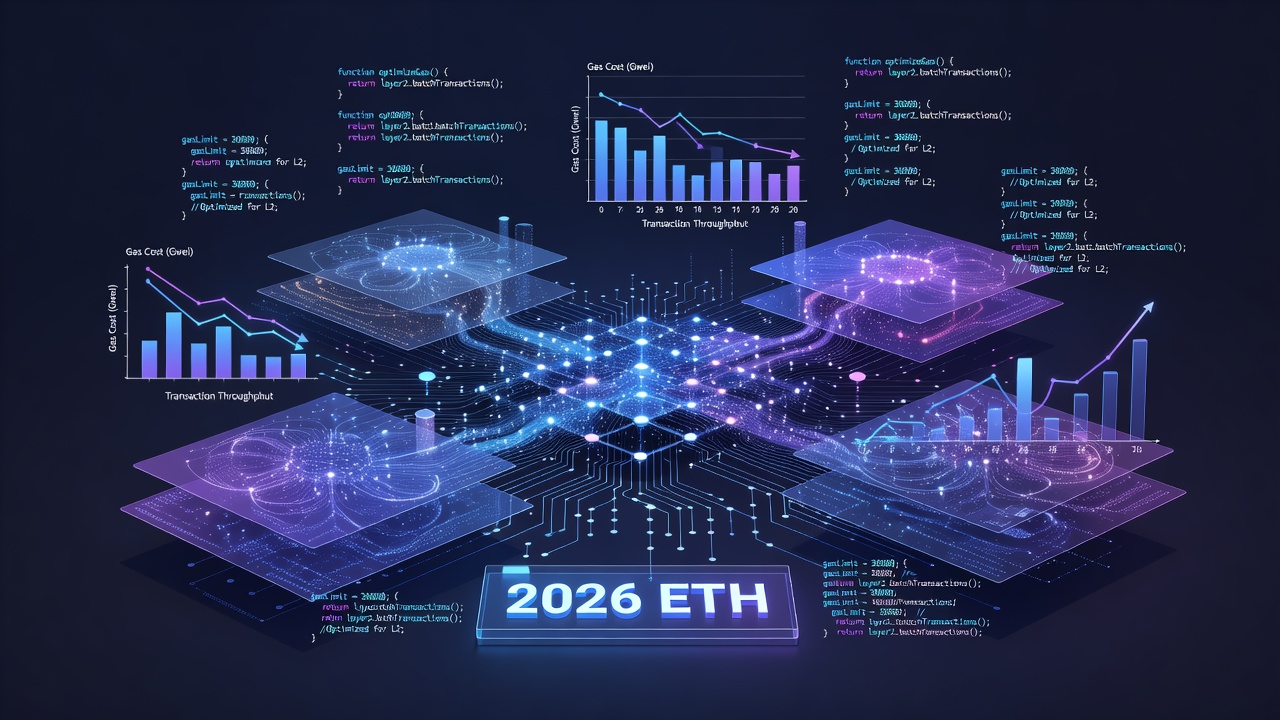
Security trade-offs involve balancing speed with finality. Faster bridges may rely on economic incentives rather than full on-chain proofs, introducing risks during high-volatility periods. Performance benchmarks in 2026 show many solutions achieving sub-second transfers with under 0.1% failure rates under test conditions, though real-world latency varies with network congestion. Developers must evaluate these trade-offs carefully, especially when handling high-value transactions in DeFi protocols.
Additional hurdles include latency in cross-rollup finality and the need for reliable oracle networks. l2beat.com offers ongoing data on L2 security models and interoperability metrics to help teams make informed decisions.
Step-by-Step Comparison of Top L2 Interoperability Solutions
Here is a practical comparison of leading options based on speed, cost, security model, and ecosystem support:
- Across Protocol: Uses relayer networks for intent fulfillment. Fastest for simple asset swaps; strong security via UMA optimistic oracle. Best for DeFi traders needing low-latency bridges and minimal user intervention.
- Hop Exchange: AMM-based with bonder liquidity. Excellent for repeated transfers; lower fees on stablecoin routes but requires liquidity depth checks before large movements.
- LayerZero-based bridges: Generic messaging with configurable security. Flexible for custom dApp logic; performance excels in multi-chain setups but demands careful oracle selection to avoid single points of failure.
- Optimism’s Superchain tools: Focus on native interoperability within the Superchain ecosystem. Ideal for applications already deployed on Optimism or Base, offering seamless upgrades without external dependencies.
Choose based on your use case—asset-focused apps favor Across, while complex data-sharing dApps lean toward extensible messaging layers. Always audit smart contract integrations before mainnet deployment.
Practical Steps for Integrating L2 Interoperability
Integrating these solutions requires careful planning. Start by auditing your smart contracts for compatibility with chosen bridge SDKs. Next, test transfers on testnets such as Sepolia-based L2 environments to measure latency and failure points. Monitor gas costs closely and implement fallback mechanisms for failed messages. Finally, deploy with gradual rollouts, beginning with low-value assets before scaling to full production use. Many teams also run simulations using tools from optimism.io to validate cross-rollup behavior under stress.
Impact on DeFi and dApp Ecosystems
Improved L2 interoperability unlocks composability across previously siloed environments. Liquidity fragmentation decreases, enabling better capital efficiency in lending protocols and DEX aggregators. Developers can now build dApps that automatically route transactions to the optimal rollup, improving user experience and reducing gas costs. These updates also support advanced features like cross-rollup NFTs and unified governance voting, expanding Ethereum's overall utility. Real-world DeFi protocols have reported smoother user onboarding and higher retention rates after adopting interoperable bridges.
Common Pitfalls and How to Avoid Them
Many projects encounter issues with inconsistent finality guarantees or insufficient liquidity on certain routes. To avoid these, always verify bridge security audits and maintain diversified liquidity sources. Another frequent mistake is neglecting oracle reliability, which can lead to stalled transfers. Regular monitoring dashboards and community governance participation help mitigate these risks over time.
Frequently Asked Questions
What is the safest way to transfer assets between L2s in 2026?
Opt for protocols with proven track records and on-chain verification. Start with small test transfers and monitor for any oracle or relayer centralization risks.
How do performance benchmarks compare across solutions?
Most top protocols deliver transfers in under 30 seconds with finality guarantees, though exact speeds depend on chosen security parameters and current network load.
Can these solutions integrate with existing smart contracts?
Yes, many provide SDKs and APIs for straightforward integration. Review documentation from projects like Arbitrum and Optimism for compatibility details.
What role does zero-knowledge technology play in future interoperability?
ZK proofs are increasingly used to enable trust-minimized verification, reducing reliance on external validators and improving overall security for complex cross-rollup operations.
Conclusion
Ethereum's 2026 L2 interoperability landscape offers powerful tools for connectivity. By understanding protocols, addressing challenges proactively, and applying comparison frameworks, developers and users can leverage these advancements to build more robust DeFi and dApp experiences. Stay updated through official Ethereum channels to capitalize on ongoing improvements.

No comments yet. Be the first!