 CryptoChain Blog
Introduction to Solana and AVAX in 2026
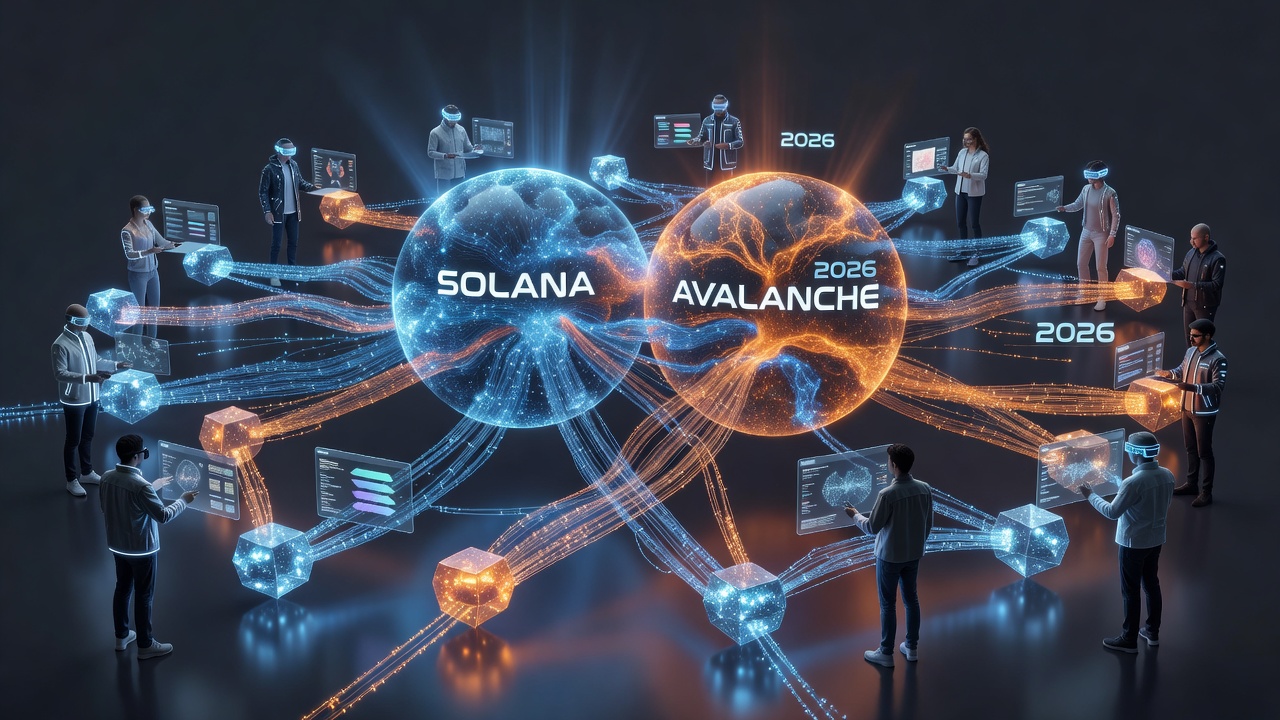
The developer ecosystems around Solana and Avalanche (AVAX) have experienced significant expansion by 2026, positioning both as leading layer 1 blockchains for innovation in altcoins. Builders are drawn to their high throughput, low costs, and growing toolsets that enable scalable decentralized applications. Solana continues to attract projects needing rapid transaction finality, while AVAX stands out for its customizable subnet architecture that supports specialized networks. This combination creates unique opportunities for altcoin development beyond traditional Ethereum-based solutions. The article examines key metrics, frameworks, grants, and real-world projects while offering actionable guidance for newcomers seeking to contribute to these vibrant layer 1 ecosystems.
Key Growth Metrics for Solana and AVAX
Developer activity on Solana has surged, with thousands of new projects deploying on its high-speed network. Avalanche similarly reports rising on-chain activity, fueled by its subnet architecture that allows customized layer 1 environments. Both chains benefit from increased transaction volumes and ecosystem funding, creating fertile ground for altcoin experimentation. Metrics such as active addresses, deployed contracts, and developer contributions show steady upward trends throughout 2026. Solana's focus on performance has led to widespread adoption in gaming and DeFi sectors, whereas AVAX subnets enable tailored solutions for enterprise use cases. These growth patterns highlight how layer 1 blockchains like Solana and AVAX are capturing developer mindshare in the altcoin space.
Popular Programming Frameworks and SDK Availability
Solana developers primarily use Rust and the Anchor framework for smart contract development, offering robust tooling for secure and efficient code. Avalanche supports Solidity via its EVM compatibility, alongside its native Avalanche SDK for subnet creation. Comparisons show Solana excelling in performance-focused apps, while AVAX provides flexibility for enterprise-grade deployments. Solana's SDK includes comprehensive libraries for wallet integration and transaction handling, making it easier for teams transitioning from other environments. In contrast, AVAX's tooling emphasizes modularity, allowing developers to launch independent blockchains with custom rules. Solana official resources detail extensive SDK options, and Avalanche documentation highlights subnet tooling advantages. Both ecosystems maintain active GitHub repositories and community-maintained extensions that accelerate development cycles.
Emerging Grant Programs and Builder Incentives
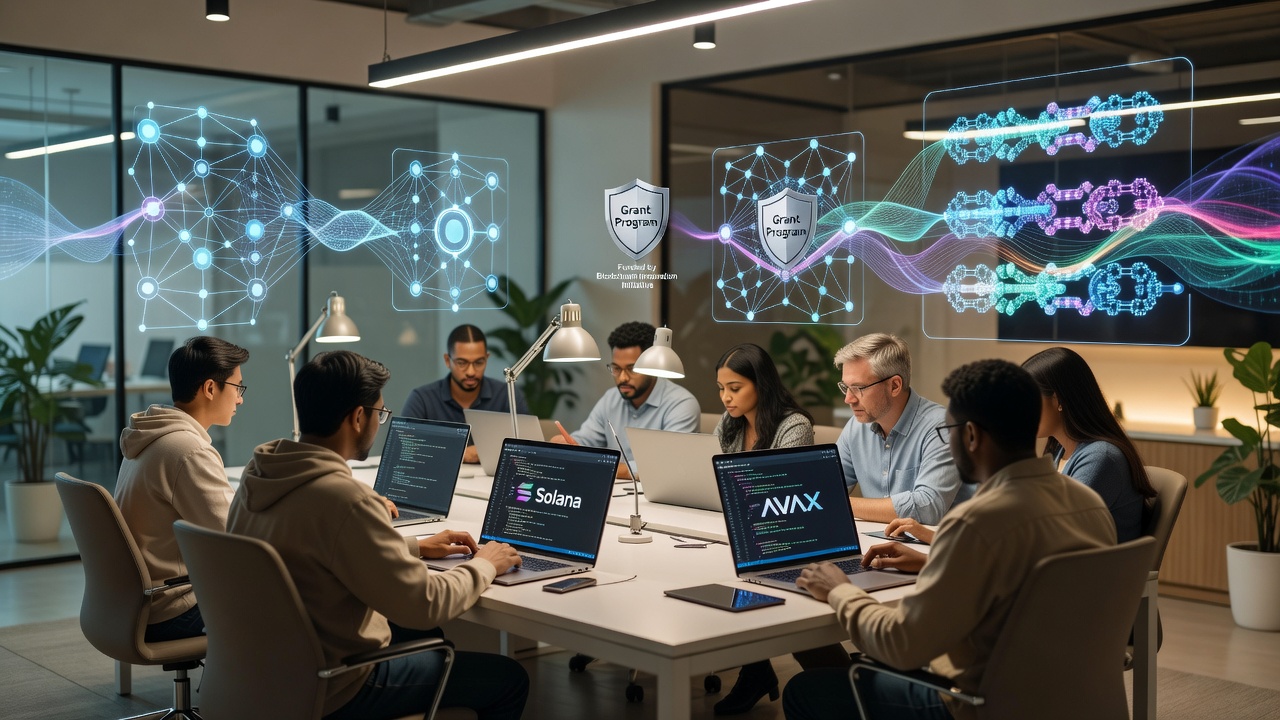
Grant initiatives on both chains attract talent through targeted funding for open-source tools and DeFi innovations. Solana's foundation programs emphasize community-driven development, while Avalanche offers support for cross-chain interoperability projects. These incentives lower barriers for new developers exploring altcoin opportunities on layer 1 blockchains. Applicants typically submit proposals outlining technical milestones, expected impact, and timelines. Successful recipients gain access to mentorship networks and visibility within the broader community. Programs also prioritize diversity, supporting builders from underrepresented regions. By providing structured resources, these grants foster sustainable growth and encourage experimentation with novel use cases such as decentralized identity and real-world asset tokenization.
Hackathon Outcomes and Rising Projects
Recent hackathons have produced notable winners in areas like gaming on Solana and DeFi protocols on AVAX. Examples include decentralized exchanges and NFT marketplaces that leverage each chain's unique strengths, demonstrating tangible innovation in the altcoin space. One standout Solana project introduced a real-time multiplayer game with on-chain asset ownership, while an AVAX subnet solution enabled compliant token issuance for traditional finance integrations. These outcomes illustrate how short intensive events translate into production-ready applications. Participants often continue development post-event through ongoing grant support, leading to long-term contributions. The competitive yet collaborative atmosphere accelerates learning and exposes developers to peer feedback on code quality and user experience design.
Practical Steps for New Developers
Entering the Solana or AVAX ecosystem requires a structured approach that builds foundational skills before tackling complex deployments.
- Start by setting up a local environment using official SDKs from Solana or Avalanche, following installation guides to configure wallets and testnet connections.
- Join developer communities on Discord and forums to access mentorship, share code snippets, and troubleshoot issues in real time.
- Participate in grant applications after building a small prototype that demonstrates core functionality and potential scalability.
- Experiment with testnets to understand transaction flows before mainnet deployment, monitoring performance metrics closely.
- Focus on security best practices early to avoid common pitfalls in smart contract coding, including formal audits and peer reviews.
- Document your learning journey through blog posts or open-source contributions to build visibility within the ecosystem.
Mistakes to Avoid When Building on Layer 1 Altcoins
New developers often overlook gas optimization, leading to inefficient contracts that drain user funds. Another frequent error involves insufficient testing across edge cases, resulting in vulnerabilities after launch. Ignoring community feedback during early stages can also limit adoption. By prioritizing modular code design and thorough documentation, builders can sidestep these challenges and deliver more reliable applications.
FAQ on Onboarding to Solana and AVAX Ecosystems
What languages do I need to learn for Solana development?
Rust is primary, with JavaScript for client-side interactions and supporting TypeScript for type safety.
How does AVAX support EVM developers?
Through full Solidity compatibility and familiar Ethereum tooling, allowing seamless porting of existing contracts.
Are there free resources for getting started?
Yes, official docs and tutorials provide comprehensive onboarding without cost, including video walkthroughs and sample repositories.
What are common mistakes to avoid?
Overlooking gas optimization and failing to audit contracts before launch remain top issues among beginners.
How do hackathons help with career growth?
They provide networking opportunities, portfolio pieces, and direct exposure to potential investors or collaborators.
Conclusion
The 2026 landscape for Solana and AVAX developer ecosystems offers unparalleled opportunities for altcoin builders on layer 1 blockchains. By leveraging available tools, grants, and communities, developers can drive meaningful innovation in decentralized technology while avoiding common onboarding pitfalls through deliberate practice and engagement.

No comments yet. Be the first!