 CryptoChain Blog

Introduction to NFT Lending in 2026
NFT lending has matured into a vital mechanism within decentralized finance, empowering collectors and traders to access liquidity from their digital assets without the need to sell. Throughout 2026, platforms continue to refine yield strategies that help users maximize returns while implementing robust safeguards against volatility. This comprehensive guide examines the core mechanics of lending, current performance benchmarks, detailed risk assessment methods, and step-by-step onboarding processes for leading marketplaces. Readers will discover real-world collateral approaches, effective hedging techniques, side-by-side platform evaluations, and practical checklists designed to improve outcomes and reduce common pitfalls.
P2P Versus Protocol Lending Mechanics
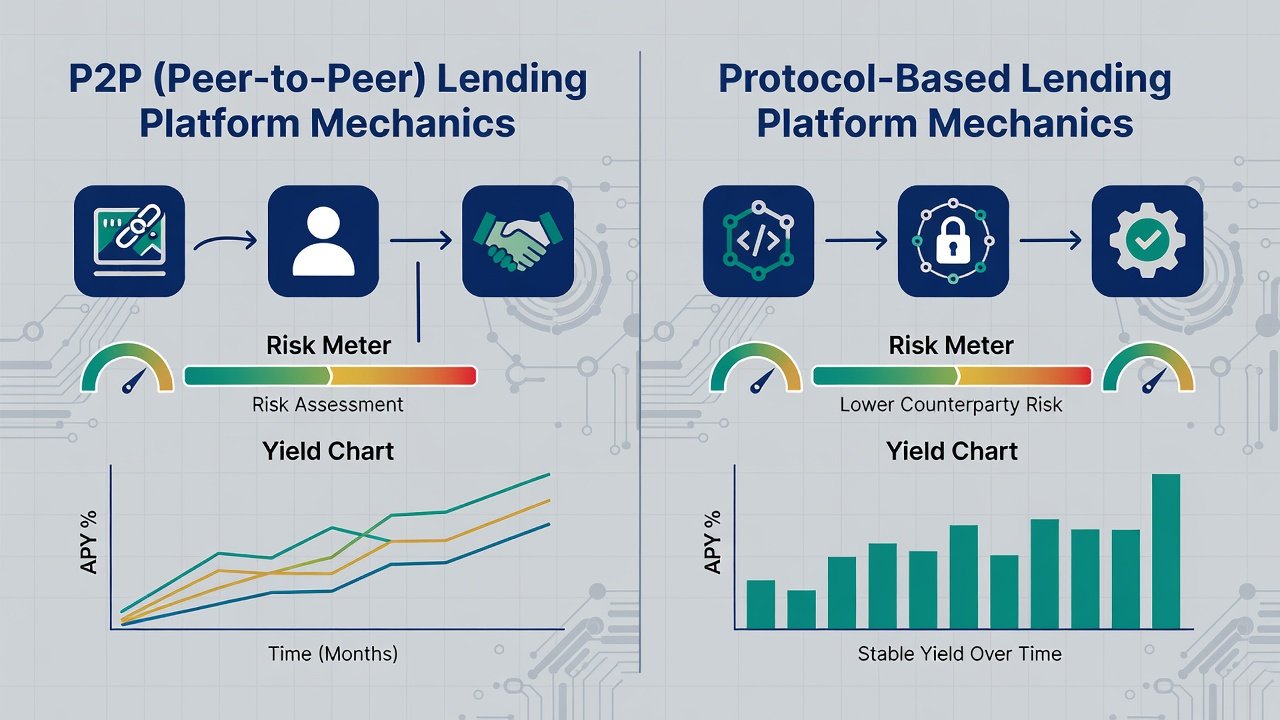
Peer-to-peer lending operates by directly matching individual lenders with borrowers through auction-style systems or negotiated terms. Platforms facilitate these interactions where NFT owners propose their assets as collateral and lenders submit interest rate offers. This approach grants high flexibility, particularly for rare or high-value items that may not fit standardized valuation models. In contrast, protocol-based lending relies on automated smart contracts and liquidity pools where rates adjust dynamically based on supply and demand. Borrowers receive instant funding once collateral is locked, making the process faster for routine transactions. Both models require over-collateralization to protect lenders, yet they differ in liquidation speed and user control. Traders often choose P2P for customized deals on unique pieces while protocols suit portfolios requiring rapid capital deployment across multiple assets. Understanding these distinctions allows users to select the model that aligns with their risk tolerance and portfolio size.
Current Yield Benchmarks and Market Overview
Yield performance in NFT lending depends heavily on asset category, market demand, and overall blockchain activity levels. Blue-chip collections generally deliver more predictable but modest returns due to lower perceived risk, whereas emerging projects can offer higher rates when utilization spikes. Lenders track metrics such as pool utilization and average loan duration to identify optimal entry points. Seasonal trends and major NFT drops also influence available opportunities, creating windows for strategic positioning. Monitoring these benchmarks regularly helps participants adjust allocations and capture favorable conditions before rates compress.
Risk Assessment Frameworks
Successful participation requires a structured approach to evaluating potential downsides. Begin by analyzing collateral quality through historical price data, trading volume, and community strength. Loan-to-value ratios should remain conservative to provide a buffer against sudden market shifts. Additional considerations include oracle accuracy for price feeds and the platform's track record with past liquidation events. Diversification across asset types and platforms further mitigates concentration risk. Practical steps include maintaining detailed records of each loan position and setting automated alerts for price movements that approach critical thresholds.
- Review floor price trends over multiple timeframes
- Calculate stress-test scenarios for 20-30% price declines
- Verify smart contract audit status before committing large positions
- Establish exit strategies prior to originating any loan
- Track borrower behavior patterns where available
Onboarding Steps for Top Platforms
Users start by preparing a non-custodial wallet compatible with the target blockchain. After installation, they connect the wallet to the chosen platform and review supported NFT standards. Next, users deposit eligible assets into the collateral vault and browse current lending offers or pool rates. Careful review of terms, including interest schedules and liquidation parameters, precedes acceptance. Testing with smaller amounts first builds familiarity with the interface and gas fee implications before scaling activity. Educational resources on each platform often cover these processes in detail.
Real-World Collateral Strategies and Hedging Tactics
Experienced participants frequently select stable, high-demand NFTs as primary collateral to secure stablecoin loans. The borrowed funds can then be deployed into complementary yield opportunities such as liquidity provision or additional NFT acquisitions. Hedging strategies commonly involve pairing loan positions with options contracts or derivatives that offset potential price drops. One practical example involves using a premium digital artwork as collateral on a protocol platform while simultaneously acquiring fractional ownership in related assets to balance exposure. Another tactic includes staggering loan maturities across different platforms to avoid simultaneous liquidation events during market stress. These layered approaches help maintain positive net yields even when individual assets experience temporary downturns.
Platform Comparisons and Fee Structures
Each major platform presents distinct advantages in fee models, supported networks, and asset eligibility. Some emphasize low origination costs with revenue sharing on interest, while others prioritize transparent fixed fees that benefit high-volume users. Liquidation mechanics also vary, with certain systems offering grace periods and others executing immediate auctions. Comparing these elements side by side reveals trade-offs between speed, cost, and flexibility. For foundational understanding of the underlying technology, consult Ethereum. Comprehensive yield data is available through DefiLlama, and integrated marketplace features appear on OpenSea. Users should evaluate how each platform handles cross-chain transfers and oracle integrations before committing capital.
Actionable Checklists for Yield Optimization
- Compile current floor prices and recent sales data for target collections
- Compare effective interest rates and fees across multiple platforms
- Project net yields after accounting for all costs and potential slippage
- Execute small test loans to validate platform behavior
- Configure monitoring tools for real-time price and liquidation alerts
- Rebalance positions quarterly based on updated market conditions
FAQs on Liquidation Risks and Cross-Chain Opportunities
What triggers liquidation in NFT loans?
Liquidation activates automatically when the value of posted collateral drops below the platform's required threshold. This protects lenders by allowing asset sales to recover principal and interest. Users can avoid triggers by maintaining higher collateral ratios or adding more assets during price dips.
How do cross-chain opportunities work?
Cross-chain functionality enables NFTs minted on one blockchain to be bridged and used as collateral on protocols operating on different networks. This expands access to competitive rates and diverse borrower pools. Participants must account for bridge fees and transfer times when calculating overall returns. Secure bridge selection and timing around low network congestion periods improve outcomes.
What steps reduce liquidation exposure?
Setting conservative loan-to-value ratios, diversifying collateral types, and using multiple platforms simultaneously lower the chance of forced sales. Regular portfolio reviews and predefined response plans further strengthen resilience against volatility.
Conclusion
Navigating NFT lending in 2026 successfully requires thorough understanding of lending models, disciplined risk management, and strategic use of available tools. By applying the frameworks, examples, and checklists provided, collectors and traders can build sustainable yield strategies while maintaining control over their digital assets. Continuous learning and adaptation remain essential as platforms and market conditions evolve.

No comments yet. Be the first!