 CryptoChain Blog
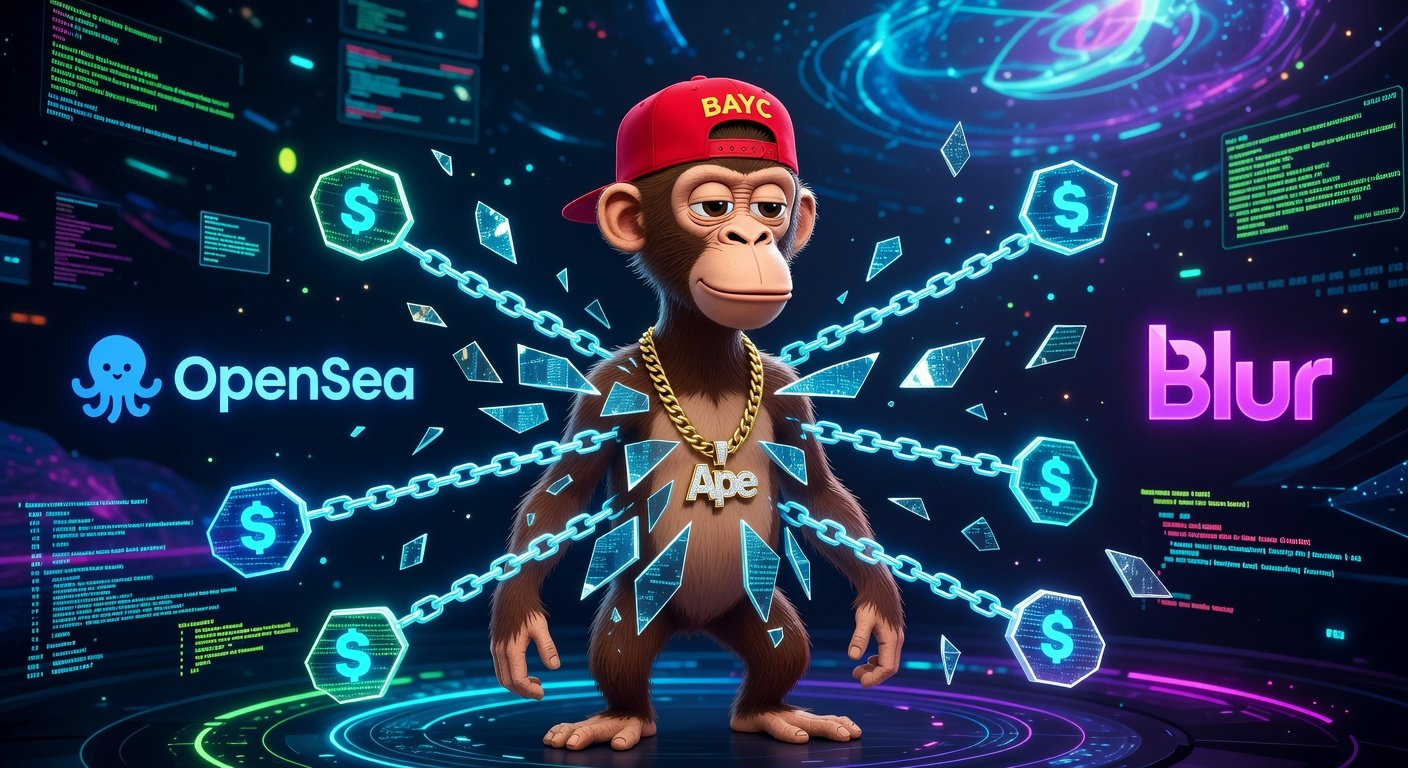
In the ever-evolving world of NFTs, 2026 marks a pivotal year with major marketplaces rolling out fractional ownership features. This innovation democratizes access to high-value digital assets, allowing collectors to own fractions of premium NFTs rather than the whole piece. Platforms like OpenSea and Blur are leading the charge, enhancing liquidity and attracting a broader investor base.
What is Fractional Ownership in NFTs?
Fractional ownership divides an NFT into multiple shares, represented as ERC-20 tokens or similar standards on the blockchain. This lowers the entry barrier—from tens or hundreds of thousands of dollars for blue-chip NFTs to just a few hundred. It boosts liquidity by enabling easier trading of shares and opens doors for retail investors.
Built on Ethereum's layer-2 solutions for scalability, these features address past criticisms of NFTs as illiquid and exclusive. By 2026, expect seamless integration with DeFi protocols for lending shares or earning yields.
2026 Updates on Leading Marketplaces
Major platforms are updating their infrastructures to support fractionalization natively.
OpenSea: Pioneering User-Friendly Fractions
OpenSea, the largest NFT marketplace, will introduce 'Fractional Vaults' in Q1 2026. Users can fractionalize any NFT listed on the platform via a simple interface. The process involves locking the original NFT in a smart contract and minting shares. Owners retain governance rights proportional to their holdings, like voting on royalties.
For example, a Bored Ape Yacht Club (BAYC) NFT valued at $200,000 could be split into 1,000 shares at $200 each. This mirrors real estate tokenization but for digital art. OpenSea's update integrates with OpenSea, ensuring low fees on Polygon and Optimism.
Blur: Pro-Trader Fractional Tools
Blur, favored by power users for its bidding tools, launches 'Blur Fractions' in early 2026. Tailored for aggregators and whales, it offers advanced analytics on share liquidity and historical yields. Blur's edge? Real-time lending markets where fraction holders can borrow against shares.
Check Blur's ecosystem at Blur.io for the latest aggregator stats.
Real-World Examples of Fractionalized NFTs
Early adopters in 2025 paved the way, with 2026 seeing explosive growth.
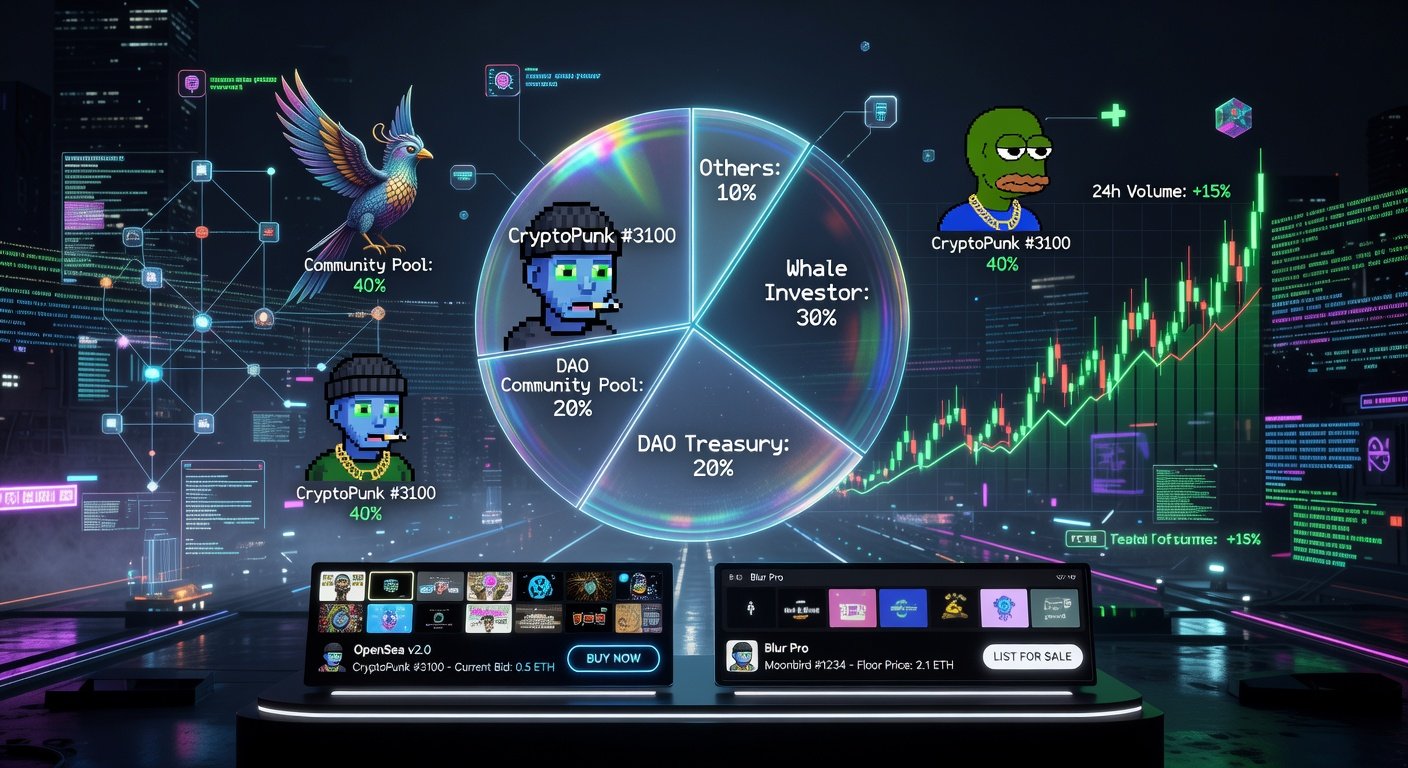
- CryptoPunks #7804: Fractionalized into 10,000 shares. A collector bought 5% for $50,000, later selling at a 30% gain amid market hype.
- Art Blocks Curated #123: Split 500 ways. Yields from secondary royalties averaged 8% APY for holders.
- Moonbirds #8888: On Blur, fractions traded with 24-hour volume exceeding $1M, showcasing liquidity.
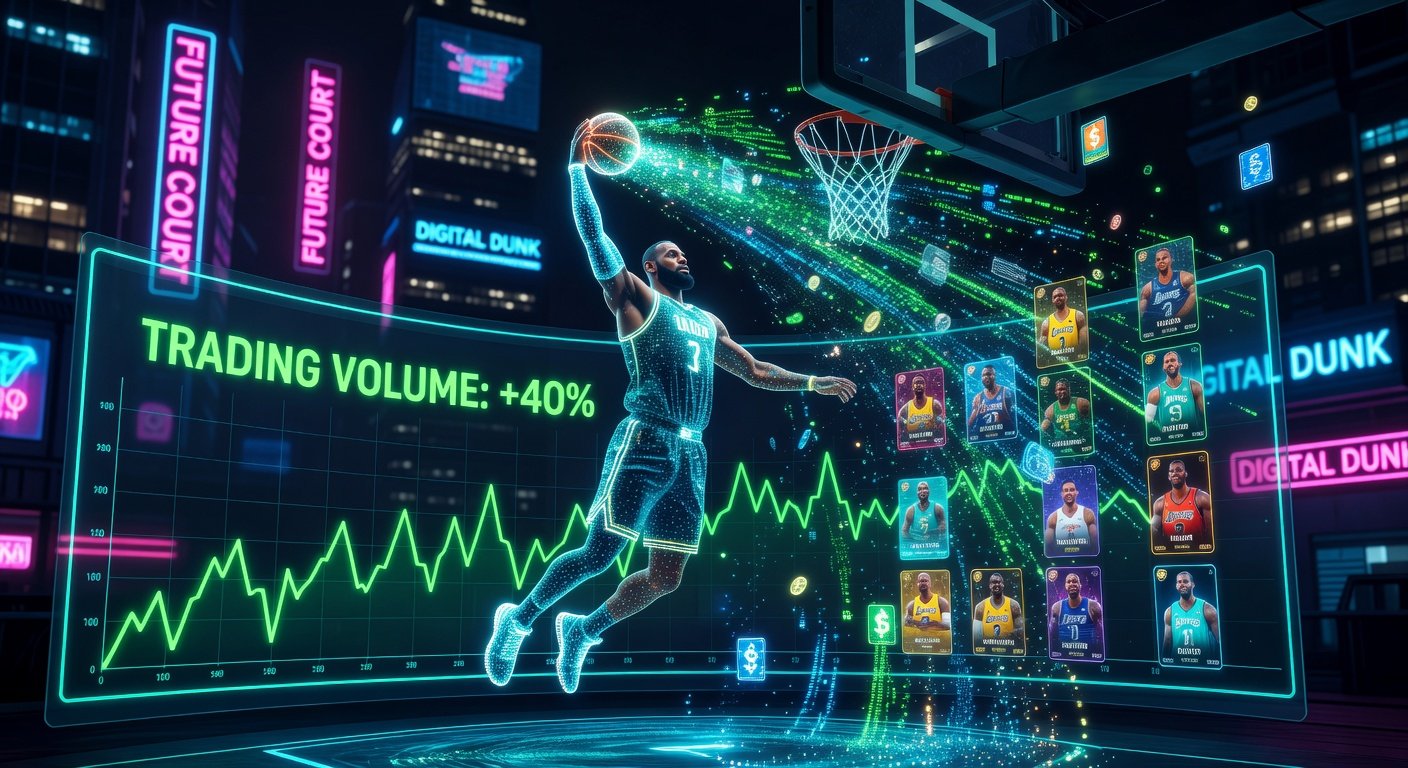
These cases highlight how fractionalization turns static NFTs into dynamic assets. Platforms like OpenSea report 40% higher trading volumes for fractional collections.
Investor Tips: Risks, Yields, and Best Practices
While promising, fractional NFTs aren't risk-free. Here's how to navigate:
- Assess Liquidity Risk: Choose fractions with high trading volume. Use tools on Ethereum.org to verify smart contract audits.
- Yield Opportunities: Stake shares for royalties (5-15% APY on popular drops) or lend on Aave integrations. Aim for diversified portfolios across 5-10 fractions.
- Due Diligence: Verify fractional contracts via Etherscan. Watch for rug pulls in unvetted projects.
- Tax Implications: Track basis per share; consult pros as regulations evolve.
- Entry Strategy: Start small (under $1,000), focus on established collections like BAYC or Azuki.
Best practice: Use hardware wallets for shares and set stop-losses on volatile fractions.
The Future of Fractional NFTs
By late 2026, expect cross-chain fractions on Solana and Base, plus AI-driven pricing oracles. This trend could inject billions in liquidity, rivaling DeFi TVL. For collectors, it's a game-changer—own a piece of digital history without breaking the bank.
Stay tuned as OpenSea and Blur roll out betas; early participants stand to gain most.
No comments yet. Be the first!