 CryptoChain Blog
Introduction to Decentralized Insurance on Leading L1 Altcoins
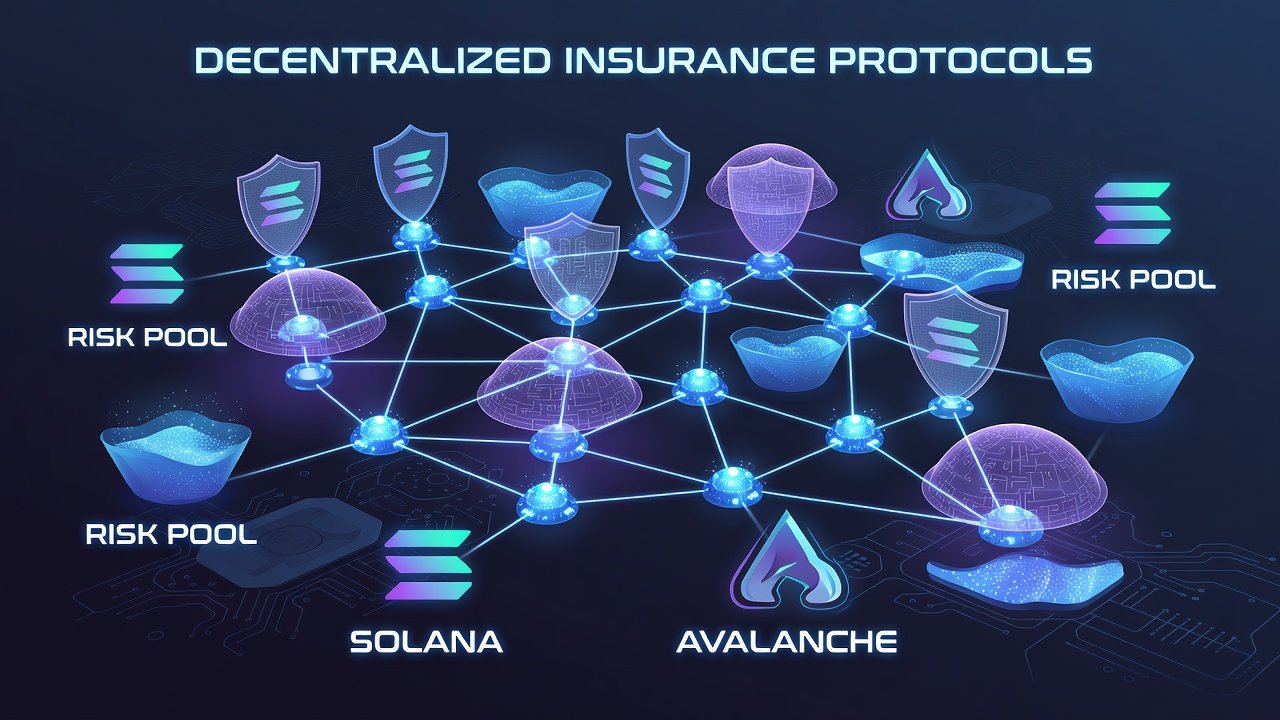
In 2026, decentralized insurance is emerging as a key use case for high-performance layer 1 blockchains like Solana and Avalanche (AVAX). These networks enable faster, lower-cost alternatives to traditional insurance through parametric triggers and on-chain risk pooling. Users in insurtech are increasingly turning to altcoins for transparent coverage against weather events, flight delays, and smart contract exploits. This evolution aligns with growing search intent around practical altcoin adoption, moving beyond speculative trading into real-world utility. Solana and AVAX stand out due to their superior throughput and active developer ecosystems, allowing protocols to settle claims automatically without intermediaries. As centralized insurers face rising operational costs and delays, these L1 solutions provide programmable alternatives that appeal to both retail participants and institutional players exploring blockchain-based risk transfer.
The momentum in 2026 reflects broader Web3 trends where altcoins facilitate specialized financial services. By leveraging native token economics and decentralized governance, these platforms create sustainable liquidity pools that respond dynamically to market conditions. Readers interested in emerging altcoin use cases will find concrete examples of how Solana's high-speed architecture and AVAX's subnet flexibility translate into tangible insurance products.
Core Mechanics of Parametric Insurance and Risk Pooling
Parametric insurance pays out based on predefined data triggers rather than subjective loss assessments. For instance, if satellite data confirms rainfall below a set threshold, the smart contract automatically disburses funds to policyholders. This model eliminates lengthy claims processes and reduces fraud potential. Risk pooling aggregates premiums from numerous participants into shared liquidity pools, with payouts distributed proportionally based on each user's contribution and exposure level.
On Solana, programs take advantage of parallel transaction execution to enable rapid pool rebalancing and real-time adjustments during high-volatility periods. Avalanche implements isolated risk modules through its subnets, maintaining security while allowing customized parameters for different insurance verticals. Both chains rely on oracle networks for accurate, tamper-resistant data feeds that trigger events. These oracles aggregate multiple sources to prevent single-point failures, a critical improvement over traditional systems. Users can examine how these mechanics integrate with existing DeFi primitives such as lending protocols, creating composable insurance layers that protect against cascading failures in yield-generating strategies.
Active Protocols on Solana and AVAX in 2026
Several protocols demonstrate meaningful real-world usage metrics. On Solana, Neptune Cover and Solara Risk have facilitated thousands of active policies with substantial liquidity locked in risk pools, attracting both individual farmers and logistics companies seeking flight and cargo protection. Avalanche hosts AVAX Shield and Parametrix, which emphasize DeFi-native coverage products and report increasing engagement from wallet clusters associated with institutional participants. These platforms maintain transparent on-chain dashboards displaying utilization rates, claim frequency, and pool performance over time.
Adoption patterns show Solana excelling in high-volume retail scenarios due to its low latency, while AVAX draws enterprise interest through its regulatory-friendly subnet configurations. Concrete examples include a logistics firm using Solana-based coverage for delivery delays triggered by weather oracles, resulting in automatic settlements within minutes. Similarly, AVAX Shield users have protected liquidity positions against smart contract vulnerabilities, with pooled capital redistributed efficiently after verified incidents.
Transaction Costs and Settlement Speed Comparison
Solana delivers sub-second finality with consistently low fees, making it ideal for high-frequency micro-policies covering small everyday risks. Avalanche achieves near-instant settlement on its primary chain and through customizable subnets, though overall costs fluctuate depending on subnet congestion levels. Comparative evaluations highlight Solana's advantage in speed for consumer-facing products, whereas AVAX provides stronger options for compliance-oriented deployments requiring isolated environments.
These performance differences matter when users scale coverage across volatile asset classes or multi-chain portfolios. Faster settlement reduces opportunity costs during market swings, allowing policyholders to reallocate capital quickly after claims resolve.
Benefits and Real-World Use Cases
Decentralized insurance on these chains offers transparency through immutable ledgers, global accessibility without geographic restrictions, and capital efficiency via automated pooling. A practical example involves a Southeast Asian agricultural cooperative purchasing drought coverage on AVAX Shield, where oracle data from multiple weather stations triggers payouts directly to member wallets, bypassing traditional paperwork. Another scenario features a DeFi yield farmer on Solana protecting against impermanent loss events using parametric triggers tied to volatility indices.
These use cases demonstrate how altcoin-powered insurance integrates seamlessly with broader decentralized finance strategies, providing downside protection that encourages greater participation in yield and lending activities.
Step-by-Step Guide to Purchasing Coverage
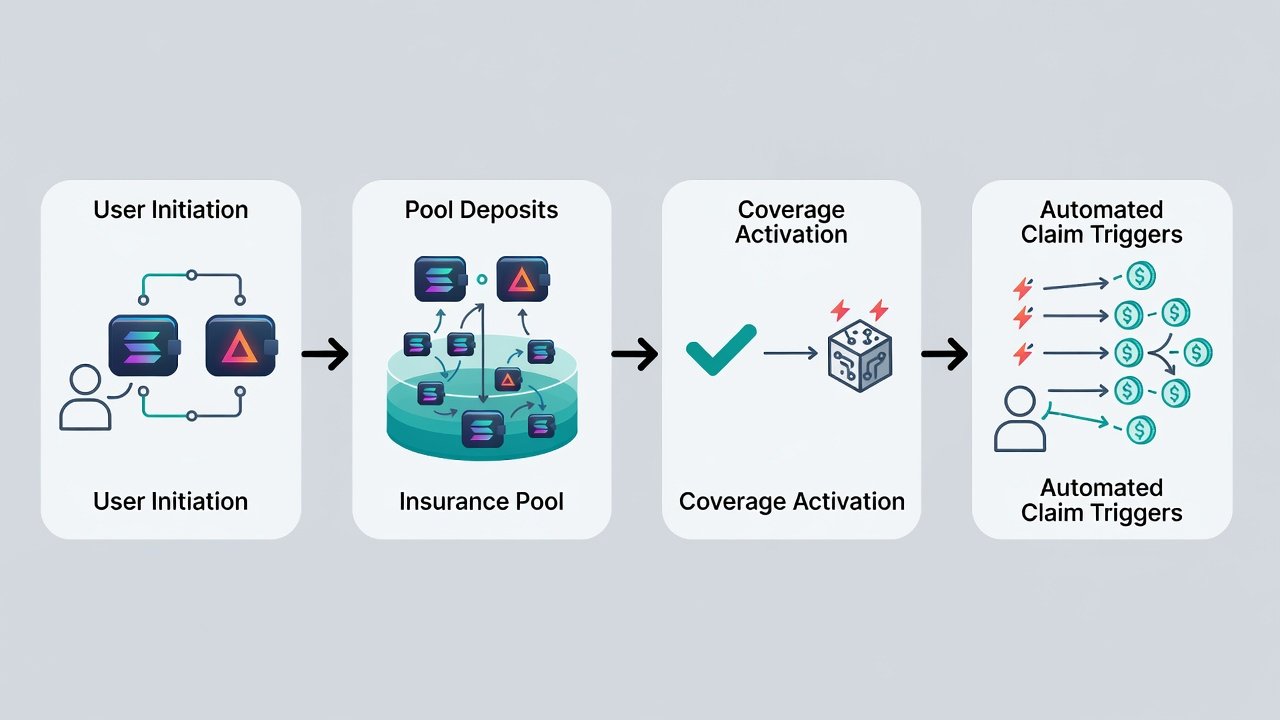
- Connect a compatible wallet such as Phantom for Solana or Core for Avalanche, ensuring the wallet holds sufficient native tokens for transaction fees and any required collateral.
- Navigate to the chosen protocol's dashboard and browse available parametric products, filtering by risk type such as weather, flight, or smart contract coverage.
- Review pool statistics including current utilization and historical payout ratios before selecting a product and specifying coverage duration and trigger thresholds.
- Deposit collateral into the risk pool, choosing between the native token or stable assets depending on protocol options and personal risk tolerance.
- Configure exact trigger parameters while cross-checking oracle data sources for reliability and accuracy.
- Confirm the transaction on-chain and monitor policy status through block explorers or protocol interfaces for any updates.
- When a qualifying event occurs, the automated claim process activates, with funds transferred directly to the connected wallet without manual intervention.
Users should always verify recent smart contract audits and start with modest positions to understand platform behavior before committing larger amounts.
Common Mistakes to Avoid
- Overlooking oracle reliability and selecting products with single-source data feeds that increase manipulation risks.
- Ignoring pool diversification by concentrating all coverage in one protocol or chain instead of spreading exposure.
- Failing to monitor governance proposals that could alter pool rules or fee structures mid-policy.
- Underestimating gas or transaction variability during network congestion periods on either chain.
FAQ on Smart Contract Risks
What are the primary smart contract vulnerabilities in these protocols?
Common risks include oracle manipulation, reentrancy attacks, and logic errors in payout calculations. Protocols address these through multi-oracle consensus mechanisms, formal verification processes, and regular third-party audits.
How can users reduce exposure to smart contract risks?
Begin with small test positions, review publicly available source code, diversify across multiple independent pools on both Solana and AVAX, and stay informed about protocol upgrade proposals.
Are there regulatory considerations for using decentralized insurance?
Participants should review local digital asset regulations, as decentralized insurance products may intersect with emerging frameworks governing financial services and blockchain activities in various jurisdictions.
What happens if an oracle feed fails during a trigger event?
Most protocols incorporate fallback mechanisms and redundant data sources to handle temporary oracle outages, ensuring claims still process based on the most reliable available information.
Can coverage be transferred or traded on secondary markets?
Some protocols support policy tokenization, allowing users to trade coverage positions on decentralized exchanges for added liquidity and flexibility.
Conclusion
Solana and AVAX continue driving innovation in decentralized insurance through 2026 by combining exceptional speed, minimal transaction overhead, and programmable risk models. Practical adoption begins with mastering parametric mechanics, evaluating active protocols, and following structured onboarding steps. As these L1 altcoins evolve, they deliver powerful tools for insurtech participants seeking efficient and transparent coverage solutions. For additional technical details, consult official resources at Solana, Avalanche, and Chainlink for oracle integrations.


No comments yet. Be the first!