 CryptoChain Blog
Introduction to Decentralized Social Media on Leading L1s
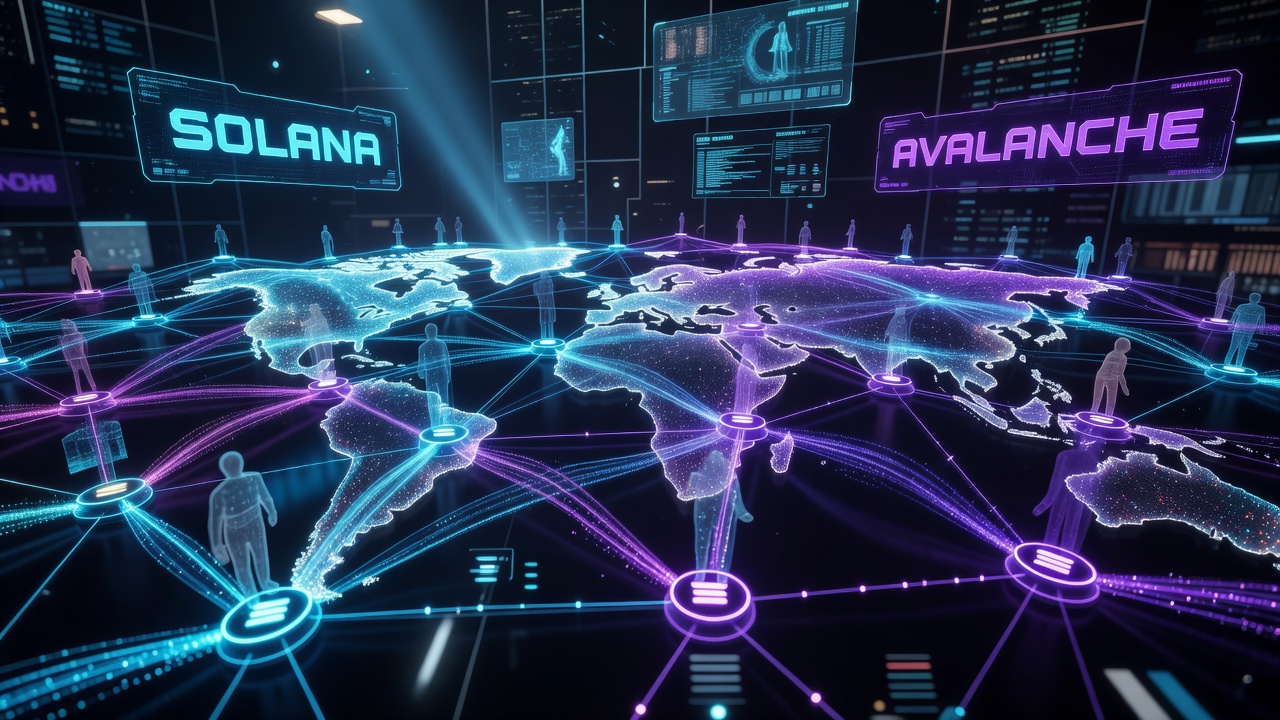
As centralized platforms face increasing scrutiny over censorship and data control, decentralized alternatives built on high-performance layer 1 blockchains like Solana and Avalanche are gaining traction in 2026. These networks enable creators and users to engage in censorship-resistant environments with seamless high-volume interactions. This comprehensive guide examines practical adoption strategies, standout projects including Friend.tech derivatives on Solana and Avalanche-based social protocols, performance benefits for real-time engagement, token-based monetization models, and seamless integration with existing DeFi tools. Real-world examples of user growth metrics, detailed step-by-step setup guides, and an FAQ section address common concerns such as data privacy and scalability. The focus remains on forward-looking 2026 trends for creators seeking sustainable alternatives without reliance on traditional gatekeepers.
The shift toward decentralized social media reflects broader Web3 adoption, where users retain full ownership of their content, connections, and monetization rights. Solana's sub-second transaction speeds combined with Avalanche's innovative subnet architecture position both chains as leaders for scalable social experiences that handle millions of daily interactions efficiently. This evolution opens new opportunities for independent creators who previously struggled with algorithmic suppression or sudden account restrictions on legacy platforms.
Why Solana and Avalanche Excel for Social Networks
Solana delivers exceptional throughput ideal for real-time social features such as posting, liking, commenting, and direct messaging at massive scale. Its proof-of-history consensus mechanism enables parallel processing that minimizes bottlenecks during viral moments. Avalanche offers customizable subnets that support tailored governance models, privacy configurations, and community-specific rules for social protocols. Together, these capabilities address longstanding pain points in earlier decentralized social attempts, including high latency, unpredictable fees, and limited user onboarding experiences.
Performance advantages shine when handling thousands of micro-interactions per second without network congestion, making both chains particularly suitable for dynamic social feeds and live community events. Solana's average block times under 400 milliseconds provide near-instant feedback loops that feel comparable to centralized apps, while Avalanche subnets enable isolated yet interoperable environments that reduce cross-traffic interference. These technical strengths support growing creator economies where frequent small transactions, such as tipping or key trading, occur without friction.
Standout Projects on Solana: Friend.tech Derivatives and Emerging Platforms
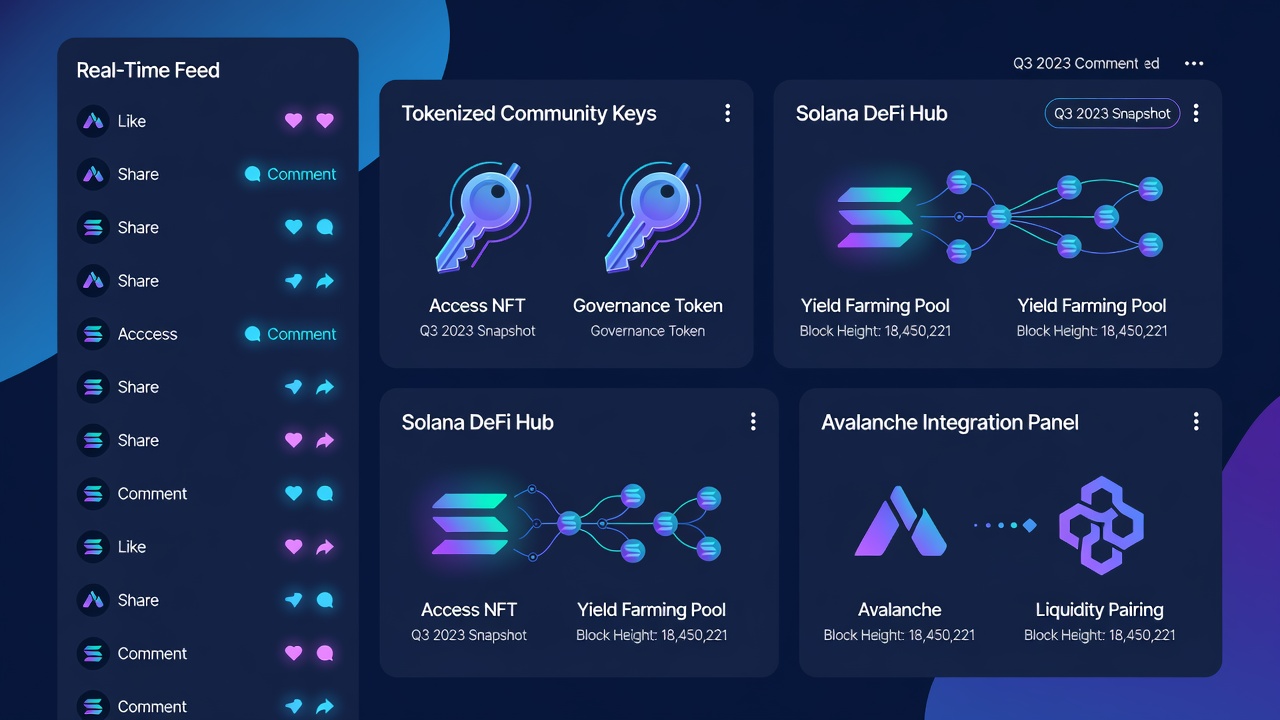
Several Friend.tech-inspired platforms have launched or migrated natively to Solana, emphasizing tokenized access to creator communities through buyable keys and private groups. These derivatives allow users to purchase shares in exclusive chats or content tiers, creating direct revenue streams for creators while leveraging Solana's minimal transaction costs for high-frequency trading activity. Notable examples include hybrid apps that blend traditional social feeds with on-chain reputation scoring and verifiable engagement histories.
Real-world user growth metrics illustrate strong momentum, with multiple Solana-based social protocols reporting over two million monthly active wallets by early 2026. This surge stems from simplified mobile wallet onboarding and viral referral mechanisms that reward early participants with platform tokens. Creators in niches like independent journalism and niche entertainment have particularly benefited, building loyal followings that bypass traditional platform algorithms entirely.
Avalanche-Based Social Protocols and Their Unique Advantages
On Avalanche, several protocols utilize dedicated subnets to create purpose-built social environments with enhanced privacy features and customizable moderation tools. These platforms embed social graphs directly on-chain, allowing verifiable connections and portable identities across compatible applications. Creators gain access to built-in distribution tools that span multiple interoperable ecosystems, increasing visibility without additional marketing spend.
Adoption metrics from Avalanche social initiatives show consistent month-over-month growth among content creators migrating from centralized networks. The chain's consensus design supports reliable performance even during peak usage periods, such as major community launches or live events. Subnet flexibility also enables experimental features like gated content based on token holdings or reputation thresholds, offering creators granular control over audience access.
Monetization Models via Tokens and DeFi Integration
Token incentives serve as the foundation for sustainable participation, rewarding users for content creation, curation, community moderation, and consistent engagement. Many platforms issue native tokens that appreciate based on network activity, providing holders with governance rights and revenue shares from transaction fees. Integration with established DeFi protocols on each chain allows seamless conversion of social earnings into yield-generating opportunities.
Solana users frequently connect their social activity directly to liquidity pools and lending markets, while Avalanche participants access subnet-specific DeFi primitives for staking social tokens and earning passive returns. This synergy transforms social platforms from pure communication tools into comprehensive financial ecosystems. Examples include creators using engagement rewards to bootstrap liquidity for their personal tokens, creating self-reinforcing loops of community growth and value accrual.
Step-by-Step Guide to Joining Decentralized Networks on Solana
- Begin by downloading a reputable non-custodial wallet such as Phantom or Solflare from official app stores, then securely back up your seed phrase in multiple offline locations to prevent loss of access.
- Acquire SOL tokens through a trusted exchange and transfer them to your wallet address, ensuring sufficient balance for transaction fees and any initial profile creation costs.
- Visit the official dApp website of your chosen Solana social platform, connect your wallet via the provided button, and approve the connection request in your wallet interface.
- Complete profile setup by minting an on-chain identity NFT or username, which establishes your verifiable presence and enables participation in tokenized communities.
- Explore trending communities, purchase creator keys where available, and begin posting or interacting while monitoring your transaction history for any unexpected activity.
- Consider enabling two-factor authentication options if offered by the wallet and regularly review connected dApp permissions to maintain security throughout your usage.
Step-by-Step Guide to Joining on Avalanche
- Install a wallet supporting the Avalanche network, such as the official Core wallet or MetaMask with Avalanche RPC configuration added, and safeguard your recovery phrase immediately after creation.
- Obtain AVAX through an exchange or bridge from another chain, then send a small test amount to verify the address before committing larger quantities for fees and interactions.
- Navigate to the protocol's web interface, select the Avalanche network in your wallet, connect the account, and follow prompts to create or import your social profile linked to your wallet.
- Choose relevant subnets or communities based on your interests, review any required token holdings for access, and complete the joining process with a confirmation transaction.
- Engage actively by posting updates, participating in governance votes, and exploring DeFi integrations such as staking your earned tokens for additional rewards within the ecosystem.
- Monitor subnet-specific analytics dashboards if available to understand community health and adjust your participation strategy accordingly over time.
2026 Trends and Future Outlook for Decentralized Social Media
Looking ahead, deeper cross-chain interoperability between Solana and Avalanche social applications is expected to enable unified user feeds and seamless asset transfers across ecosystems. Enhanced focus on user-controlled data portability and advanced token utility models will accelerate mainstream migration from centralized services. Ongoing scalability upgrades throughout 2026, including improved validator efficiency on both chains, will further support mass adoption for high-engagement use cases such as live streaming and collaborative content creation.
Additional trends include the rise of hybrid reputation systems that combine on-chain activity with off-chain verification methods, helping new users build trust quickly. Creators are also experimenting with subscription-style token models that provide recurring revenue while maintaining censorship resistance. These developments position Solana and Avalanche as foundational infrastructure for the next generation of open social networks.
FAQ: Addressing Common Concerns
How is data privacy handled on these platforms?
Most decentralized social networks encrypt personal data off-chain while anchoring ownership proofs and content hashes to the blockchain. Users maintain control via private keys, allowing selective disclosure of information without exposing entire profiles to public view or platform operators.
Are these platforms truly scalable for mainstream use?
Solana's architecture routinely processes tens of thousands of transactions per second in live conditions, while Avalanche subnets facilitate parallel execution for isolated workloads. Both networks have demonstrated strong performance during high-traffic events throughout 2026, supporting thousands of concurrent users without degradation.
What mechanisms exist for content moderation?
Token-weighted governance allows communities to collectively define and enforce rules, reducing risks of centralized censorship. Reputation-based systems and reporting tools further help maintain quality while preserving user autonomy over their own content and connections.
How do users protect against wallet or account compromise?
Best practices include using hardware wallet options where supported, enabling transaction simulation previews, and avoiding suspicious links or unsolicited direct messages within the platforms. Regular audits of connected permissions also minimize exposure over extended periods of use.
Conclusion
Solana and Avalanche are actively shaping the decentralized social media landscape in 2026 through unmatched speed, cost efficiency, and innovative economic models. Whether you are a creator exploring diversified revenue streams or an everyday user prioritizing privacy and ownership, these platforms deliver practical, accessible entry points. Follow the detailed setup guides to begin your journey and stay informed on evolving interoperability features that will expand possibilities even further in the coming months.

No comments yet. Be the first!