 CryptoChain Blog

Introduction: Why Solana and AVAX Anchor a 2026 L1 Portfolio
Intermediate traders navigating altcoin volatility in 2026 need focused strategies that balance growth potential with risk controls. Solana and Avalanche stand out as premier Layer 1 blockchains due to their high throughput, developer ecosystems, and ongoing protocol upgrades. This guide provides a step-by-step framework for constructing a diversified portfolio centered on these assets while incorporating practical tools and quarterly adjustments.
Core Strengths of Solana and Avalanche in 2026
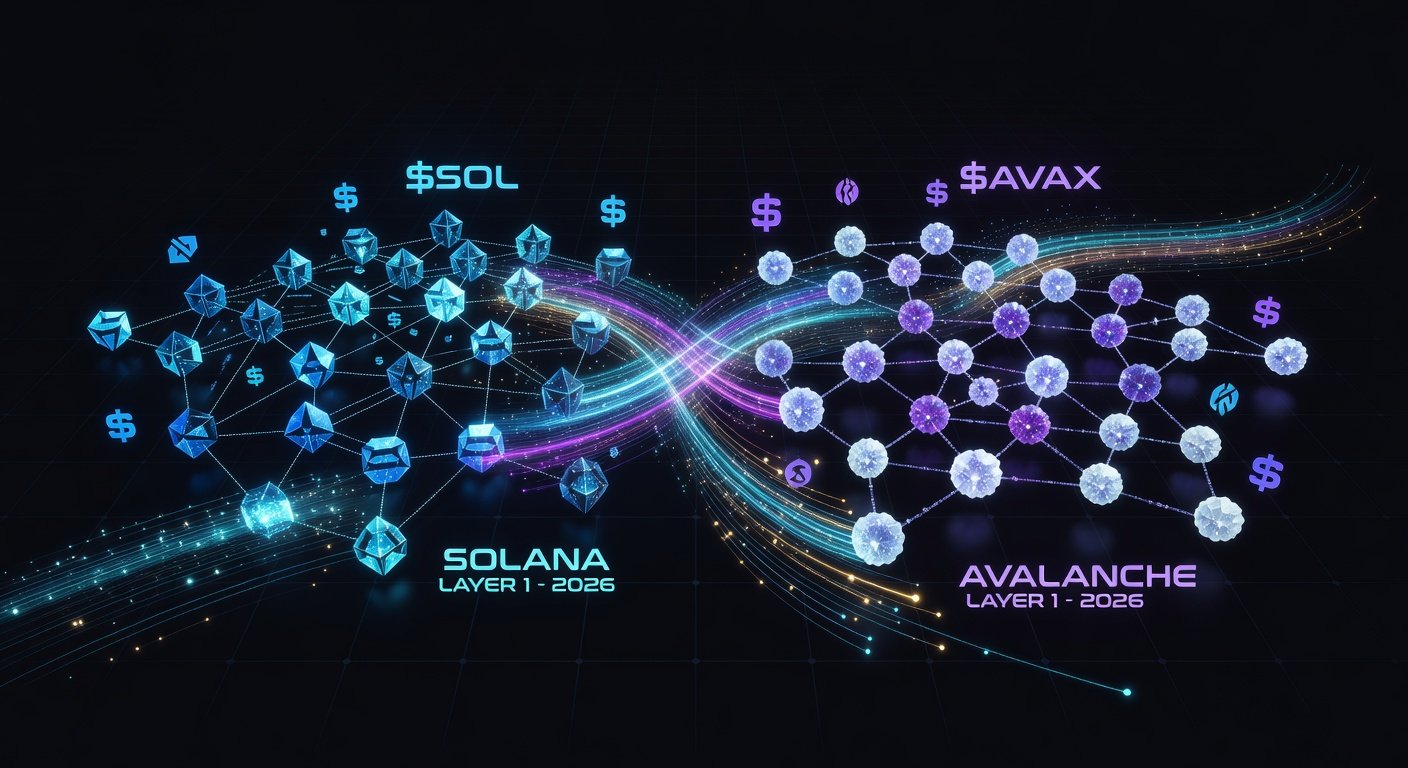
Solana delivers sub-second transaction finality and low fees, powering DeFi, NFTs, and gaming applications. Avalanche offers sub-second finality through its unique consensus model and excels in customizable subnets for institutional use cases. Both networks continue to expand via scheduled 2026 upgrades that enhance scalability and interoperability.
Recommended Asset Allocation Framework
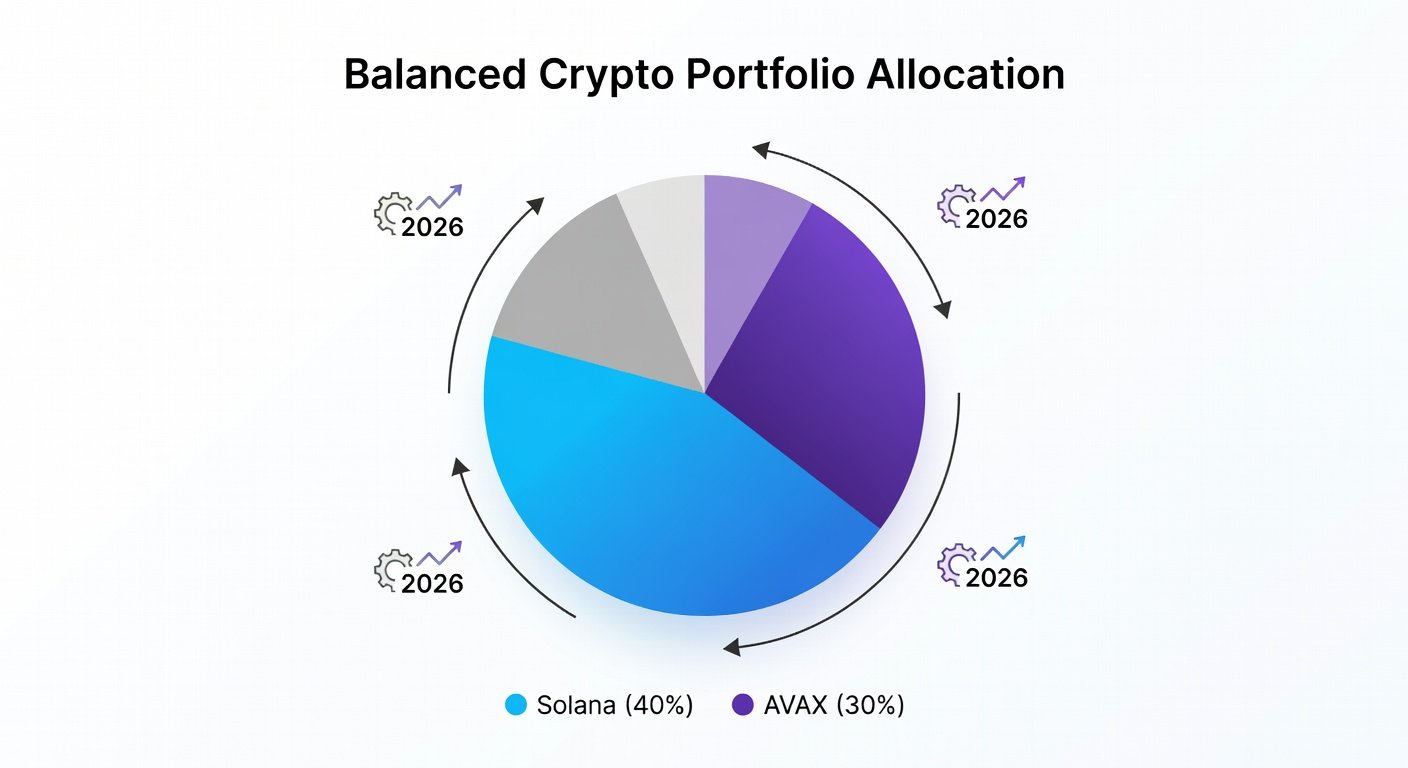
A balanced 2026 allocation might allocate 40% to SOL, 30% to AVAX, and 30% across complementary assets such as stablecoins, Bitcoin, or select DeFi tokens. This structure captures upside from L1 growth while maintaining liquidity buffers. Adjust percentages based on your total portfolio size and market conditions observed in early 2026.
Risk Mitigation Through Hedging Strategies
Volatility remains inherent to altcoins. Use options on centralized exchanges for downside protection or allocate 10-15% to stablecoins for quick re-entry opportunities. Diversifying across multiple wallets reduces single-point exposure. Monitor on-chain metrics such as active addresses and total value locked to detect early shifts.
Performance Forecasts Tied to 2026 Upgrades
Protocol roadmaps include Solana's Firedancer client improvements and Avalanche's HyperSDK enhancements, both expected to boost throughput further. Historical patterns suggest these upgrades can catalyze price appreciation, though outcomes depend on broader macro factors and adoption rates.
Practical Steps to Build Your Portfolio
- Assess Risk Tolerance: Evaluate your investment horizon and maximum acceptable drawdown using simple questionnaires from reputable financial sites.
- Select Wallets and Exchanges: Choose hardware wallets like Ledger for long-term holdings and reputable exchanges supporting both SOL and AVAX deposits.
- Simulate Portfolios: Use spreadsheet models or portfolio trackers to test 40/30 allocations under various market scenarios before committing capital.
- Implement Quarterly Rebalancing: Review allocations every three months and rebalance when any asset drifts more than 5% from target weights.
Essential Tools for Ongoing Tracking
Combine on-chain analytics platforms with price aggregators to monitor performance. Set alerts for key upgrade milestones and governance proposals on official network sites.
FAQs on Tax Implications and Exit Strategies
How are gains from SOL and AVAX taxed?
Tax treatment varies by jurisdiction. Most regions classify crypto as property, requiring capital gains reporting upon sale or exchange. Consult a tax professional for jurisdiction-specific guidance.
When should I consider exiting positions?
Establish predefined profit targets and stop-loss levels at the outset. Reassess during major network events or if fundamental metrics deteriorate significantly.
For deeper protocol details, visit the official Solana and Avalanche websites. Additional regulatory context is available from the U.S. Securities and Exchange Commission.

No comments yet. Be the first!