 CryptoChain Blog
Introduction to Web3 Gaming in 2026
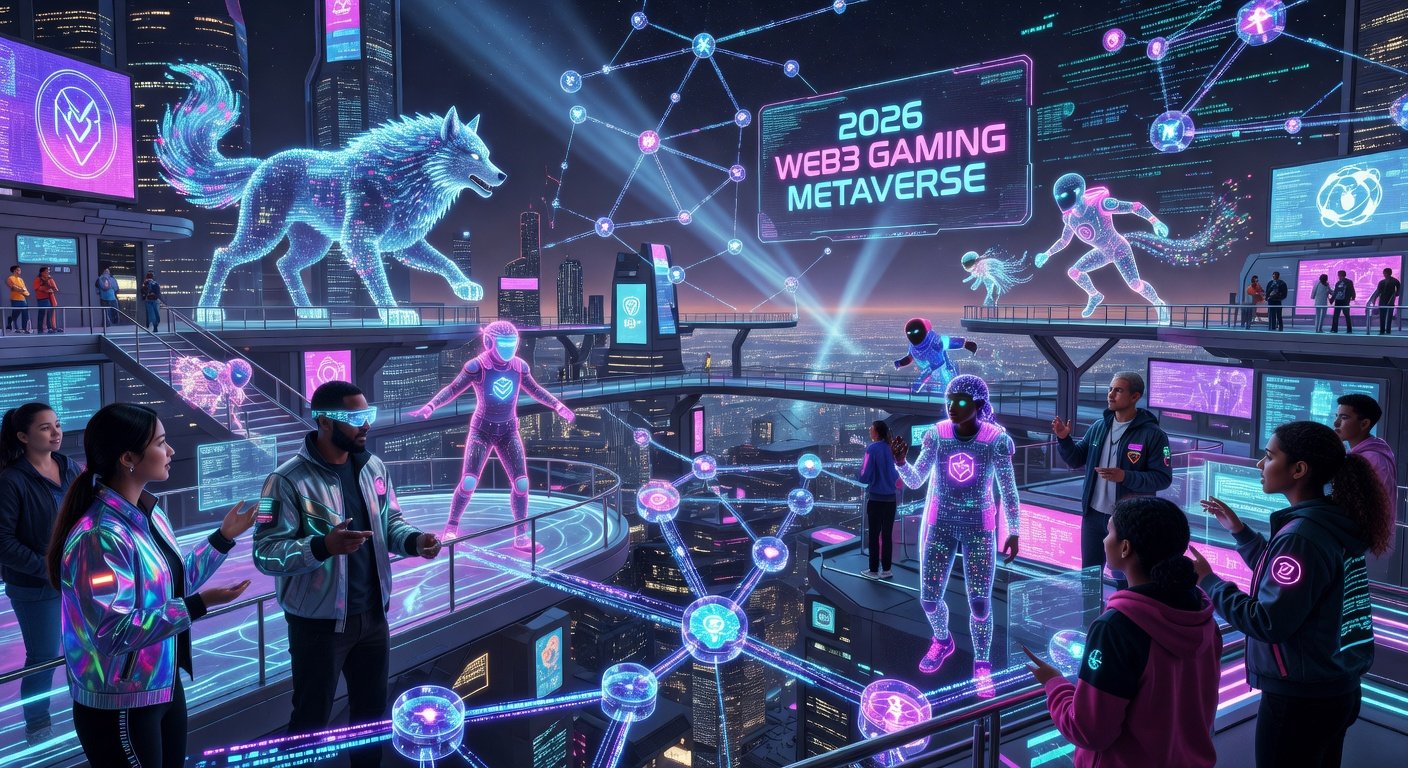
Web3 gaming represents a fundamental shift in how players interact with virtual worlds. By leveraging decentralized technologies, these experiences grant users genuine ownership over in-game items and currencies. In 2026, the space has evolved far beyond early play-to-earn experiments into sophisticated ecosystems emphasizing skill, interoperability, and sustainability.
This guide examines key innovations such as dynamic NFTs, seamless cross-game asset transfers, AI-generated environments, and emerging titles like NebulaVerse and ChainQuest. Whether you are a gamer or investor, understanding these decentralized web shifts helps navigate the future of interactive entertainment.
Evolution from Play-to-Earn to Skill-Based Economies
Early Web3 games rewarded participation through token farming, often leading to inflationary economies. By 2026, developers prioritize skill-based progression where player expertise determines rewards rather than sheer time invested. This model mirrors traditional esports while integrating blockchain transparency.
Skill-based systems foster long-term engagement. Players now compete in ranked matches or tournaments that distribute unique assets based on performance. The transition reduces bot activity and creates healthier tokenomics aligned with community growth.
True Asset Ownership Through Dynamic NFTs
Dynamic NFTs form the backbone of 2026 Web3 gaming. Unlike static tokens, these evolve based on gameplay, player choices, or external events. For instance, a weapon in a fantasy title might gain new abilities after completing challenging quests.
This mechanic deepens immersion and increases asset value over time. True ownership means players can trade, lend, or use these items across compatible platforms without platform restrictions. Ethereum Foundation resources explain how smart contracts enable such programmable ownership models.
Seamless Cross-Game Interoperability
Interoperability allows assets earned in one title to function in another. Standards like ERC-721 and emerging cross-chain protocols make this possible. Gamers transport characters, skins, or resources between ecosystems, creating a unified metaverse experience.
Projects building on shared infrastructure reduce fragmentation. Developers collaborate on open APIs that preserve asset integrity while respecting each game's unique rulesets. This trend accelerates adoption among both casual and hardcore players.
AI-Driven Procedural Worlds and Metaverse Expansions
Artificial intelligence powers expansive, ever-changing game environments in 2026. Procedural generation creates unique quests, terrains, and narratives tailored to individual playstyles. Combined with metaverse platforms, these worlds support persistent social economies and large-scale events.
Titles such as NebulaVerse leverage AI to simulate realistic ecosystems where player decisions influence global events. ChainQuest similarly uses decentralized AI agents to manage non-player characters, enhancing replayability without central servers.
Sustainable Blockchain Gaming Models
Early concerns about energy consumption have prompted greener approaches. Many 2026 titles employ proof-of-stake networks and layer-2 scaling solutions to minimize environmental impact while maintaining security.
Developers also introduce carbon-negative incentives, rewarding eco-friendly behaviors within games. These models appeal to conscious gamers and align with broader industry pushes toward responsible innovation. Web3 Foundation documentation highlights sustainable decentralized protocols gaining traction.
Practical Steps for Beginners
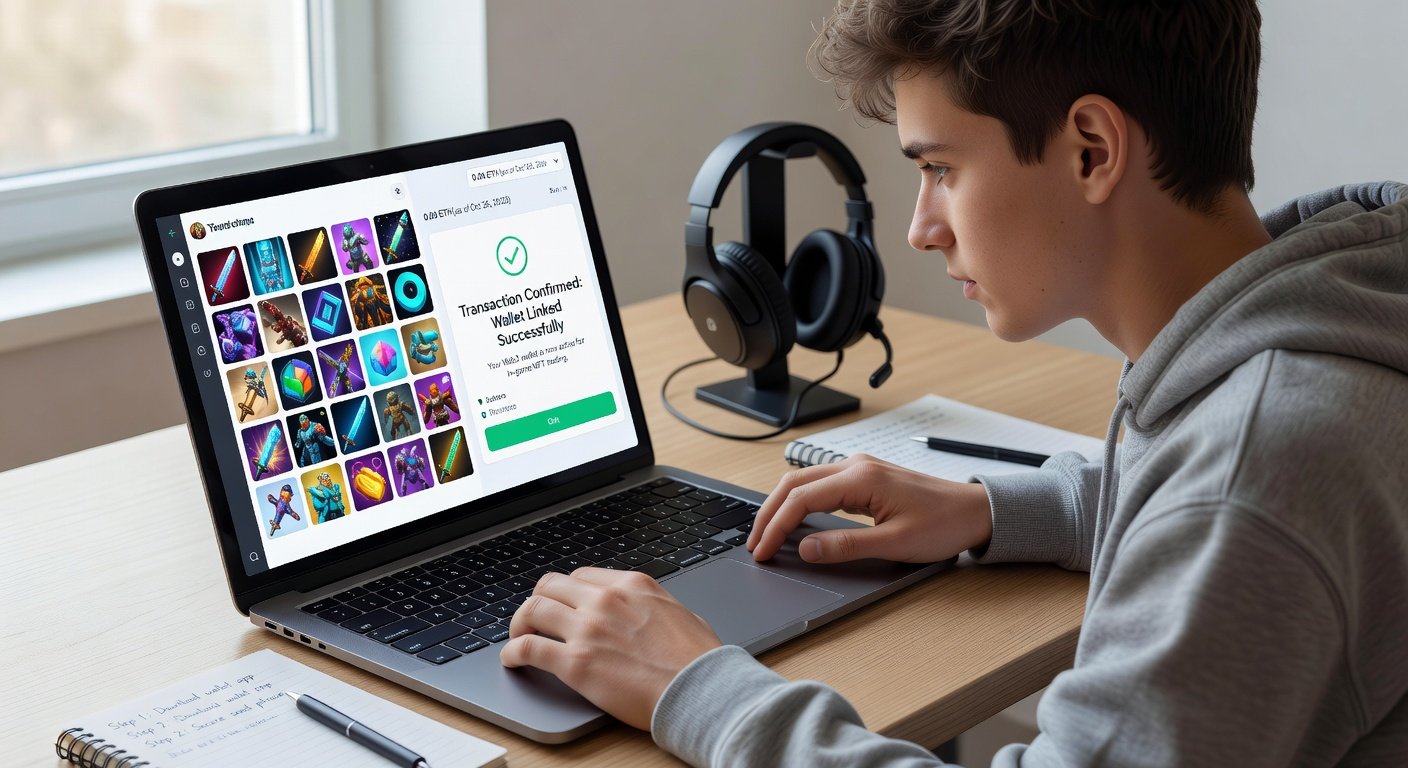
Entering Web3 gaming requires basic setup. Follow these steps to start safely:
- Choose a compatible wallet such as MetaMask or a hardware option for enhanced security.
- Connect to a supported blockchain network and fund the wallet with the native token for transaction fees.
- Visit official game marketplaces to mint or purchase initial in-game assets using the wallet.
- Join community DAOs through governance platforms to participate in playtesting and vote on future features.
Always verify contract addresses and enable two-factor authentication. Start small to familiarize yourself with gas fees and asset management.
Comparing Web3 Rewards to Traditional Models
Traditional gaming offers cosmetic rewards or progression that stays locked within one title. Web3 systems provide transferable value and potential earnings through marketplaces. However, they introduce volatility and require understanding of digital wallets.
Skill-based Web3 economies reward mastery similarly to competitive esports yet add ownership layers absent in conventional games. Players gain both entertainment and portfolio-building opportunities, though success depends on market conditions and game viability.
Conclusion
Web3 gaming in 2026 blends entertainment with decentralized ownership, creating richer experiences for participants. By focusing on skill, interoperability, and sustainability, the industry addresses past limitations while opening new possibilities. Beginners who follow secure practices can explore this frontier confidently and contribute to its ongoing evolution.
FAQ
What security practices should Web3 gamers follow?
Use hardware wallets for large holdings, never share seed phrases, and verify all smart contracts through official channels before interacting.
Are Web3 games profitable for beginners?
Profitability varies by title and market conditions. Focus on skill development and community involvement rather than quick gains; many players treat it primarily as entertainment with secondary earning potential.
No comments yet. Be the first!