 CryptoChain Blog
Introduction to Bitcoin Sustainability in 2026
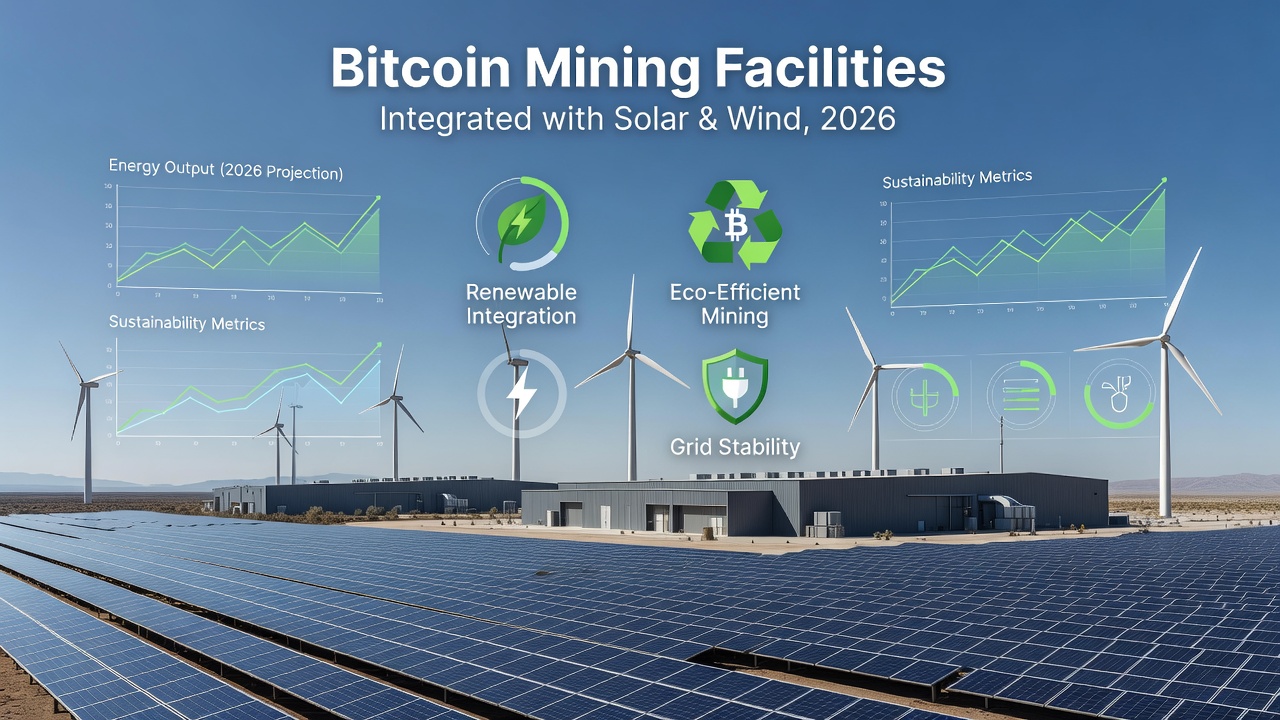
Bitcoin's environmental profile continues to evolve rapidly, with 2026 marking significant shifts in energy consumption patterns and sustainability practices. Investors increasingly demand transparency on metrics like energy per transaction and hashrate distribution, seeking to balance potential returns with ecological considerations. This analysis examines current trends in renewable energy adoption and carbon footprint reductions while providing actionable insights for those evaluating Bitcoin as part of a broader portfolio strategy. As regulatory scrutiny intensifies globally, understanding these sustainability metrics becomes essential for long-term investment decisions.
Understanding Bitcoin's Energy Consumption Fundamentals
Bitcoin mining relies on proof-of-work consensus, which secures the network but requires substantial electricity. In 2026, global hashrate remains robust, yet efficiency gains from advanced hardware have moderated overall energy demands. Key metrics include energy intensity per transaction, which has improved due to layer-2 scaling solutions such as the Lightning Network. Comparisons to traditional banking systems highlight that Bitcoin's footprint, while notable, is increasingly offset by renewable integration across mining operations. The fundamental process involves miners competing to solve complex cryptographic puzzles, consuming electricity primarily for computation and cooling systems. This mechanism ensures decentralization and security but invites ongoing debate about resource use.
Key Sustainability Metrics for 2026
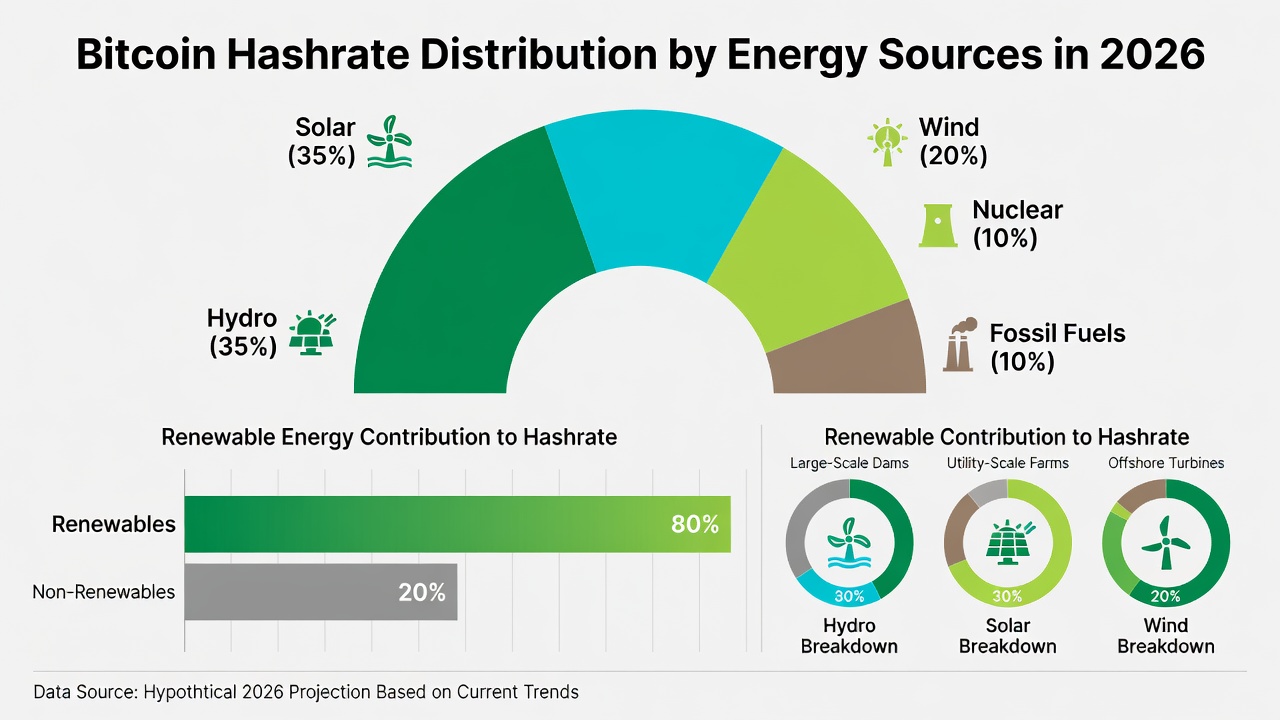
Primary indicators tracked in 2026 encompass total network energy use, percentage sourced from renewables, and equivalent carbon emissions. Hashrate distribution by energy source reveals growing shares from hydroelectric, solar, and wind. These metrics enable investors to assess long-term viability amid regulatory pressures on emissions. Additional measures include megawatt-hours per transaction and the ratio of sustainable to non-sustainable energy inputs. Tracking these allows for quantitative evaluation of progress toward net-zero goals within the Bitcoin ecosystem.
Renewable Energy Adoption Trends
Renewable sources now power a majority of Bitcoin mining operations worldwide. Regions with abundant hydro and geothermal resources lead adoption, while stranded energy utilization in oil fields further reduces waste. This transition supports lower carbon intensity without compromising network security. Trends show increased deployment of behind-the-meter renewable installations directly at mining sites, minimizing transmission losses. In 2026, operators are also exploring battery storage integration to stabilize intermittent renewable supplies, enhancing overall grid compatibility.
Hashrate Distribution by Energy Source
Analysis of 2026 data shows diversified sourcing: renewables dominate in North America and Europe, while Asia leverages a mix including coal with carbon capture advancements. Such distribution mitigates risks from policy changes targeting fossil fuels. North American operations frequently draw from hydroelectric dams in Canada and wind farms in Texas, contributing to a lower emissions profile. European miners benefit from nuclear and wind combinations, creating resilient energy portfolios that adapt to seasonal variations.
Comparisons to Traditional Banking Systems
Bitcoin's energy profile is frequently benchmarked against global financial infrastructure. Studies from authoritative bodies indicate that the network's consumption aligns closely with sectors like gold mining or data centers when normalized for value transferred. For deeper context, refer to resources from the International Energy Agency and the Cambridge Centre for Alternative Finance. Traditional banking relies on vast data centers, branch networks, and ATMs that collectively consume significant power, often from mixed grids. Bitcoin, by contrast, offers a transparent, auditable energy ledger that allows precise tracking unavailable in legacy finance.
Case Studies of Green Mining Initiatives
Successful projects in Texas utilize excess wind power for mining, creating grid stability benefits during periods of overproduction. European operations pair with solar farms to achieve near-zero marginal emissions during peak sunlight hours. In Canada, hydroelectric facilities host large-scale mining farms that repurpose surplus generation otherwise lost. These examples demonstrate scalable models that enhance both profitability and sustainability while providing real-world data on return on investment for green infrastructure.
Practical Steps for Incorporating ESG Factors into BTC Analysis
Investors can follow structured approaches to integrate environmental, social, and governance considerations:
- Review hashrate reports from transparent pools to gauge renewable percentages and identify operators with verified sustainability claims.
- Integrate carbon accounting tools into portfolio evaluations, using third-party audits to quantify emissions per bitcoin held.
- Monitor regulatory developments in key mining jurisdictions such as the United States, Kazakhstan, and El Salvador to anticipate policy impacts.
- Engage with mining companies publishing verified ESG disclosures, prioritizing those aligned with frameworks from the Global Reporting Initiative.
- Assess long-term network efficiency improvements from technological upgrades like application-specific integrated circuits and immersion cooling systems.
These steps provide a repeatable framework for ongoing analysis.
Debunking Common Sustainability Myths
One persistent myth claims Bitcoin is inherently unsustainable; however, ongoing renewable shifts contradict this as adoption rates climb. Another suggests mining wastes energy, yet much utilizes otherwise curtailed power from renewables that would otherwise go unused. Additional misconceptions include the notion that all mining relies on coal, ignoring geographic diversification, and that Bitcoin cannot scale sustainably, despite evidence of efficiency gains. FAQs on these topics help clarify for eco-conscious investors.
Data Visualizations and Tools for Reference
Readers benefit from interactive charts showing hashrate by energy mix and carbon intensity trends over time. Tools from academic and industry sources allow users to model scenarios based on different renewable adoption rates. Incorporating these visualizations into research supports evidence-based decision making.
Actionable Recommendations for Eco-Conscious Traders
Prioritize Bitcoin holdings alongside diversified green assets to balance exposure. Support initiatives advocating for renewable mining incentives through advocacy or investment in sustainable infrastructure funds. Regularly update analyses using latest hashrate and emissions data to inform decisions. This approach aligns environmental responsibility with strategic investment goals while mitigating reputational risks associated with high-carbon assets.
Conclusion
Bitcoin's sustainability trajectory in 2026 reflects meaningful progress through renewables and efficiency gains. Investors equipped with these metrics can make informed choices that consider both performance and planetary impact, positioning themselves for a future where ESG factors play an increasingly central role in cryptocurrency valuation.

No comments yet. Be the first!