 CryptoChain Blog

Introduction: Navigating 2026 Market Turbulence
In the ever-shifting landscape of global finance, investors are constantly seeking reliable safe-haven assets to shield their portfolios from volatility. As of 2026, two contenders dominate the conversation: Bitcoin, the digital gold of the crypto era, and traditional gold, the time-tested store of value. With ongoing geopolitical tensions, inflationary pressures, and economic uncertainties, understanding how these assets stack up is crucial for savvy investors.
This comprehensive analysis pits Bitcoin against gold head-to-head, focusing on performance metrics since the 2024 Bitcoin halving, volatility and correlation data, institutional inflow trends, and macroeconomic influences like inflation. We'll explore 2025 case studies from market downturns, provide a comparison table, a step-by-step allocation guide, and FAQs to help you make informed decisions. Whether you're a crypto enthusiast or a traditional investor, this guide equips you with actionable insights for portfolio diversification.
Performance Metrics: From 2024 Halving to 2026
The Bitcoin halving in April 2024 marked a pivotal moment, reducing mining rewards and historically catalyzing price surges due to supply constraints. Post-halving, Bitcoin demonstrated remarkable resilience. While exact figures fluctuate, Bitcoin has consistently outperformed gold in bull cycles, driven by its fixed supply of 21 million coins—a scarcity more rigid than gold's ongoing mining output.
Gold, conversely, has maintained steady but modest gains, benefiting from its role as an inflation hedge. In the two years following the halving, Bitcoin's growth trajectory has been steeper during risk-on environments, yet it retraced less severely in downturns compared to pre-halving patterns. For deeper historical context on Bitcoin's halvings, refer to the official Bitcoin website.
Key metrics to consider:
- Year-over-Year Returns: Bitcoin's compounded annual growth rate (CAGR) post-halving has outpaced gold's, reflecting digital asset adoption.
- Drawdown Recovery: Bitcoin recovered faster from 2025 dips, showcasing network effects and ETF inflows.
- Market Cap Growth: Bitcoin's market cap has approached gold's total above-ground reserves, narrowing the gap significantly.
Volatility and Correlation: Risk Profiles Compared
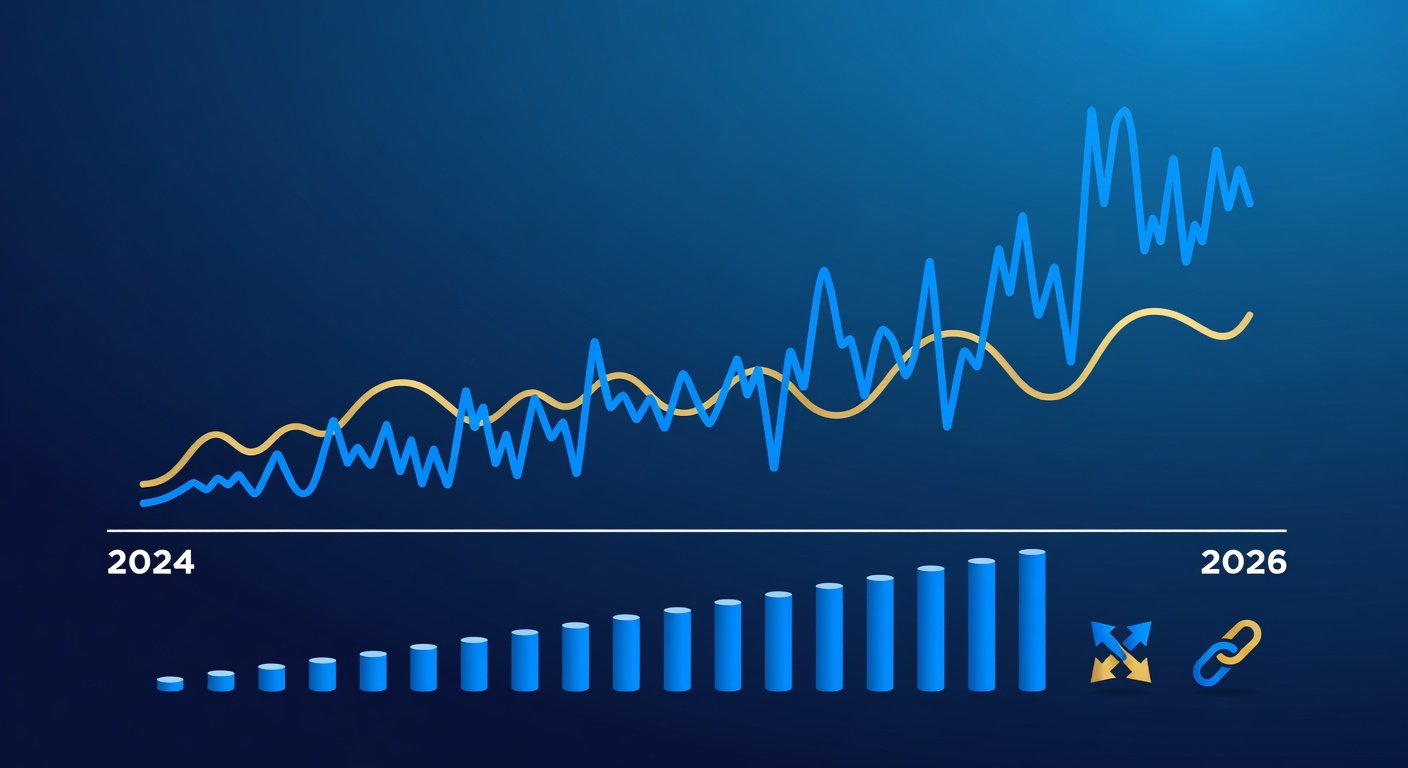
Volatility is a double-edged sword for safe havens. Gold's annualized volatility hovers around 15-20%, providing a smoother ride, while Bitcoin's ranges from 40-60%, albeit trending downward with maturation. Despite higher swings, Bitcoin's volatility has decoupled from equities since 2024, positioning it as a non-correlated asset.
Correlation data reveals intriguing shifts: Bitcoin-gold correlation flipped negative during 2025 stress events, meaning when stocks faltered, Bitcoin and gold often moved inversely—ideal for diversification. Gold maintains a low positive correlation with bonds (0.2-0.3), but Bitcoin's zero-to-negative equity correlation (post-2024) makes it a superior portfolio diversifier in modern portfolios. Studies from IMF resources on asset correlations underscore how uncorrelated assets mitigate systemic risks.
Institutional Inflows: The Institutional Shift
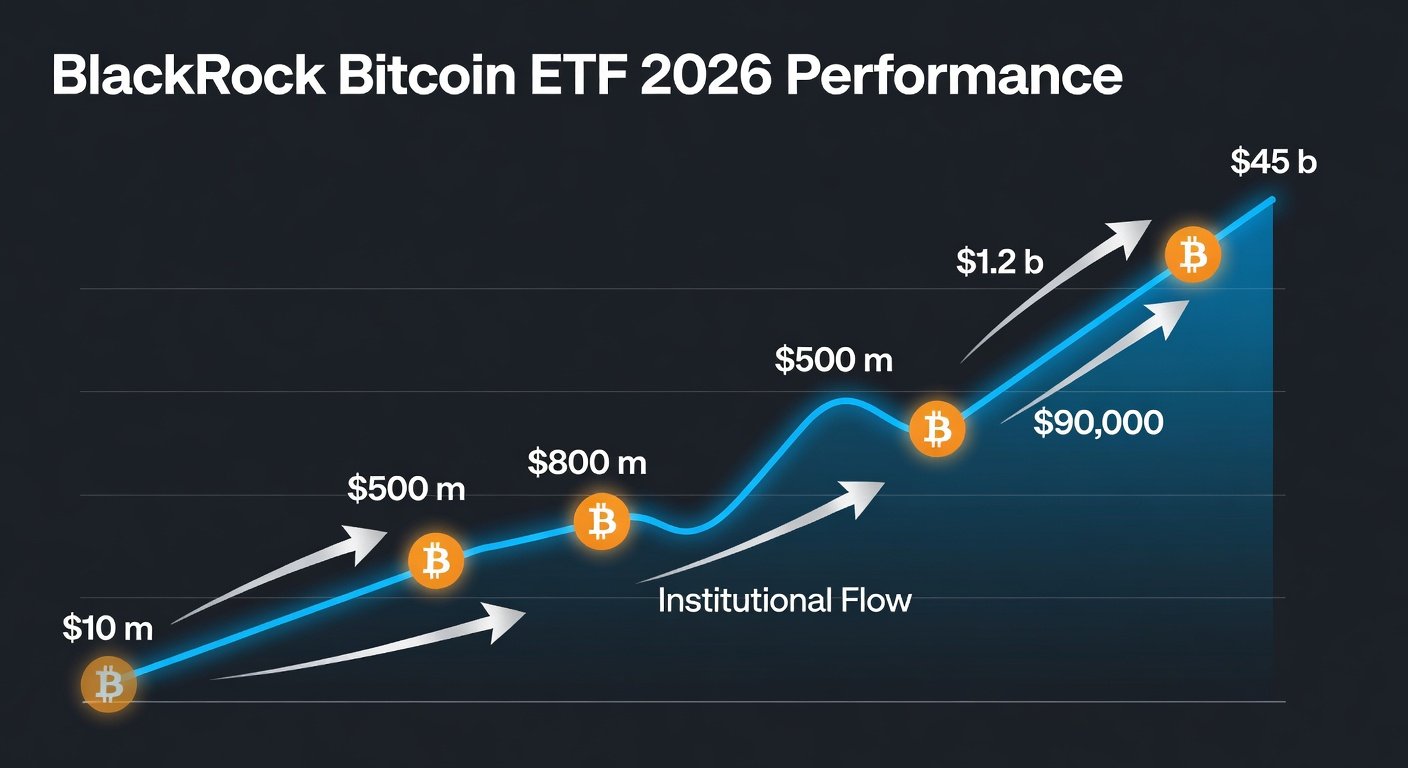
2026 has seen unprecedented institutional adoption. Spot Bitcoin ETFs, approved in early 2024, have amassed billions in assets under management (AUM), with inflows surging during volatility spikes. Major players like BlackRock and Fidelity have allocated heavily, viewing Bitcoin as "digital gold 2.0."
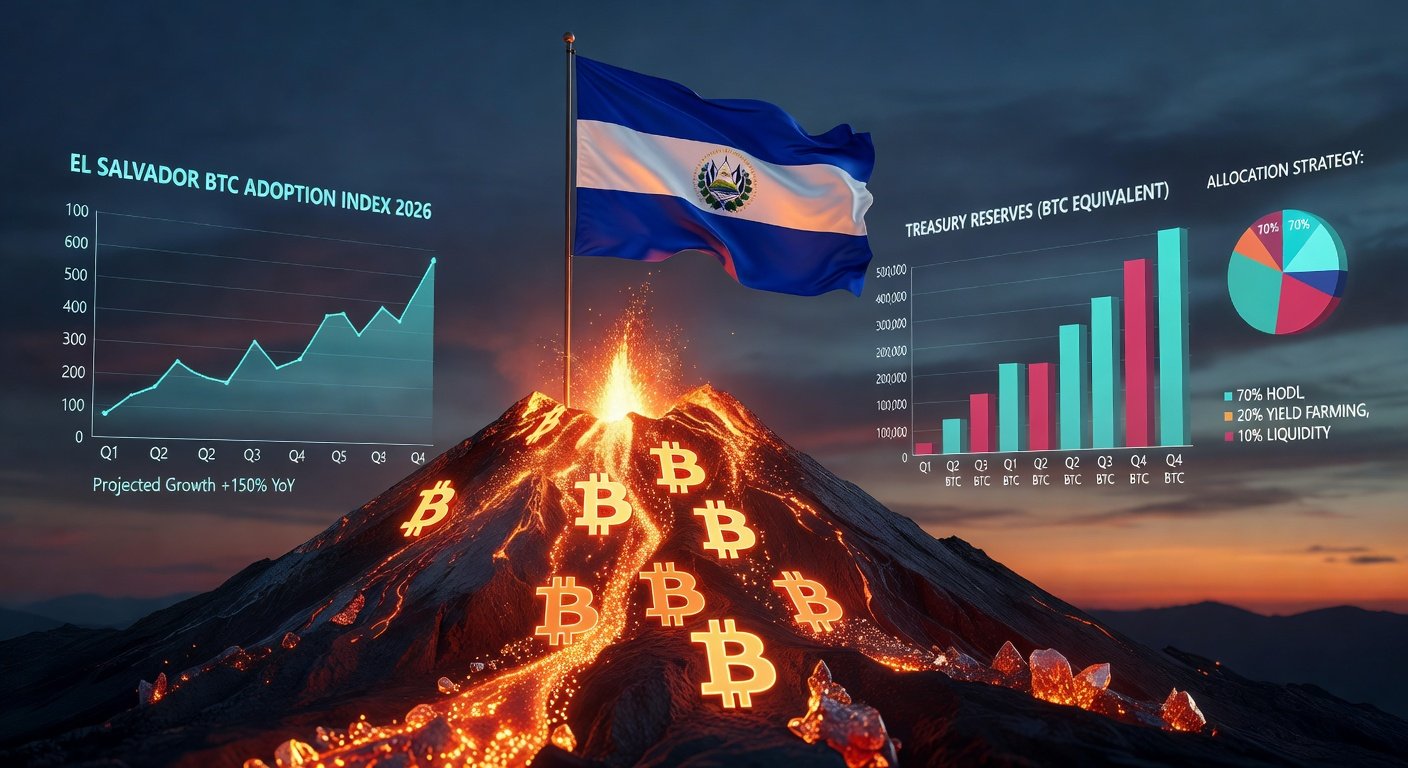
Gold ETFs, like GLD, continue steady inflows from central banks and pensions, but growth lags Bitcoin's. Central banks purchased record gold tons in 2025, yet Bitcoin's appeal grows among sovereign wealth funds exploring crypto reserves. This trend signals Bitcoin's evolution from speculative to institutional-grade safe haven.
Macroeconomic Influences: Inflation and Beyond
Inflation remains a core driver. Persistent pressures from supply chain disruptions and fiscal policies have bolstered both assets. Gold thrives in high-inflation regimes as a tangible hedge, per World Gold Council data. Bitcoin, with its deflationary mechanics, counters fiat debasement more aggressively, often rallying ahead of CPI spikes.
Other factors include interest rates: rising rates pressure gold (opportunity cost), but Bitcoin weathers them via yield-bearing wrappers like staking proxies. Geopolitical risks favor gold traditionally, but Bitcoin's borderless nature shone in 2025 sanctions scenarios.
Bitcoin vs Gold: Side-by-Side Comparison Table
| Metric | Bitcoin | Gold |
|---|---|---|
| Supply Mechanism | Fixed 21M cap, halvings | Mined annually (~3K tons) |
| Volatility (Annualized) | High (40-60%) | Low (15-20%) |
| Correlation to S&P 500 | Low/Negative post-2024 | Low positive |
| Institutional Adoption | ETFs, corporates surging | Central banks, ETFs steady |
| Portability/Storage | Digital, near-zero cost | Physical, secure vaulting |
| Inflation Hedge | Strong (deflationary) | Proven over centuries |
2025 Case Studies: Downturn Performance
2025's mid-year correction, triggered by Fed tightening and trade wars, tested safe havens. Gold rose 8-10% amid uncertainty, preserving capital. Bitcoin dipped sharply initially but rebounded 25% within months, fueled by halving momentum and ETF buying—the "buy the dip" institutional playbook.
In Q4 2025's recession scare, both assets decoupled from stocks: gold provided ballast, Bitcoin offered asymmetric upside. These events highlight Bitcoin's higher beta (amplified moves) versus gold's steady anchor role.
Step-by-Step Guide: Allocating Between Bitcoin and Gold
Ready to build a resilient portfolio? Follow this practical guide:
- Assess Risk Tolerance: Conservative? 60% gold, 40% Bitcoin. Aggressive? Reverse it.
- Determine Allocation Size: Limit combined to 5-15% of portfolio for diversification.
- Choose Vehicles: Bitcoin via ETFs (e.g., IBIT); gold via GLD or physical bars.
- Rebalance Quarterly: Sell winners, buy laggards to maintain ratios.
- Monitor Macros: Increase gold on inflation spikes; Bitcoin on adoption news.
- Dollar-Cost Average (DCA): Invest fixed amounts monthly to mitigate volatility.
Common Mistakes to Avoid
- Over-Allocating to Bitcoin: Its volatility can amplify losses—cap at 5-10% initially.
- Ignoring Fees: Physical gold storage costs add up; opt for ETFs.
- Timing the Market: Both shine long-term; avoid panic selling.
- Neglecting Taxes: Track capital gains, especially for crypto.
FAQs: Bitcoin vs Gold Diversification Risks
Q: Is Bitcoin truly a safe haven like gold?
A: It's emerging as one, with lower correlations and institutional backing, but higher volatility demands caution.
Q: How much should I allocate in 2026?
A: Start with 2-5% Bitcoin, 3-8% gold, scaling based on conviction.
Q: What if inflation cools?
A: Gold may lag, but Bitcoin's scarcity narrative persists.
Q: Are there regulatory risks?
A: Bitcoin faces more scrutiny, but global adoption mitigates this.
Conclusion: A Balanced Path Forward
In 2026, neither Bitcoin nor gold reigns supreme—together, they form a powerful duo. Gold offers stability and proven history; Bitcoin delivers growth and innovation. By blending both, informed by performance data, volatility trends, and macro cues, investors can navigate volatility with confidence. Diversify wisely, stay informed, and position your portfolio for the long haul.
No comments yet. Be the first!