 CryptoChain Blog
Introduction to BTC Analysis Tools in 2026
Bitcoin traders and investors rely on specialized analysis platforms to interpret market movements, on-chain metrics, and news sentiment. In 2026, the landscape of BTC analysis tools continues to evolve with improved APIs and machine learning integrations that help users navigate complex market dynamics. This guide examines free versus paid options in depth to help you select the right platform for accurate insights and informed decision-making. Whether you are a beginner interpreting daily Bitcoin news or an experienced trader monitoring volatility, understanding tool capabilities can significantly impact your strategies. The demand for reliable BTC analysis has grown as global adoption increases, making it essential to evaluate how each option supports real-time data processing and visualization needs.
Key Features to Evaluate in BTC Analysis Tools
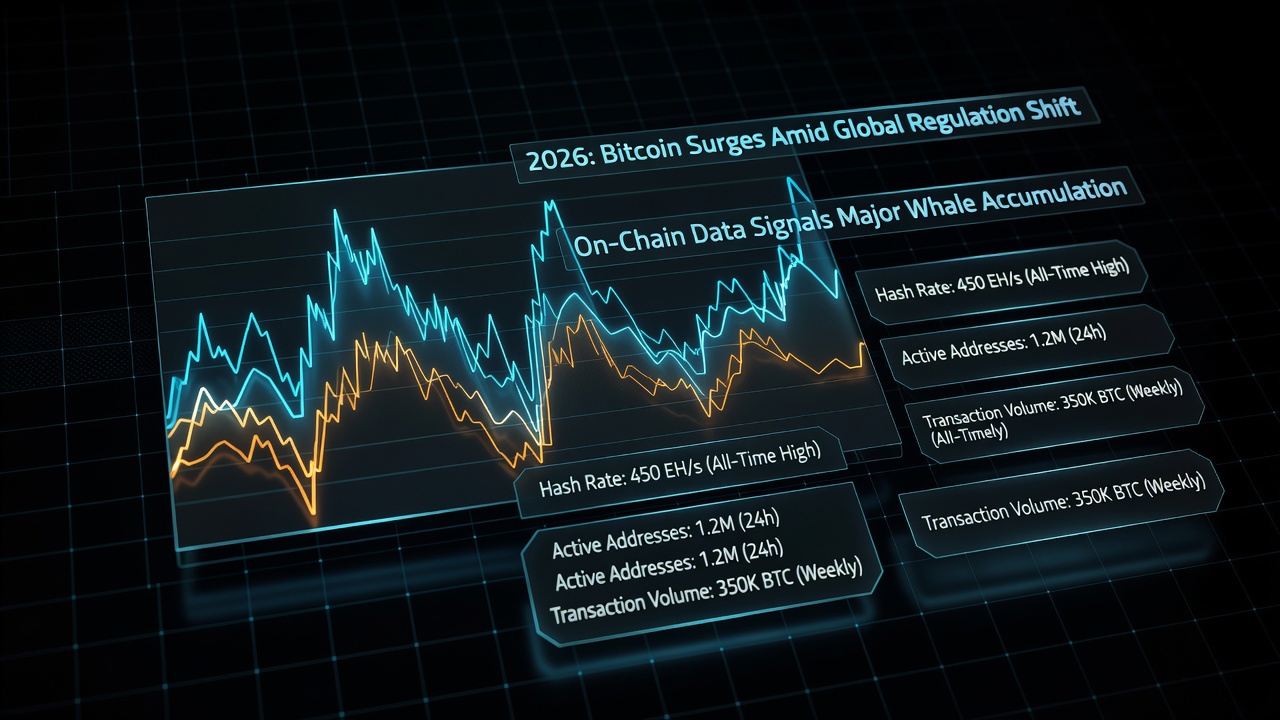
When comparing tools, focus on real-time data accuracy, visualization capabilities, and integration options. Free tools often provide basic charting while paid platforms deliver advanced indicators and historical datasets that allow for deeper technical analysis. Understanding these differences ensures traders can handle volatile periods effectively, such as sudden price swings triggered by regulatory announcements or macroeconomic events. Additional considerations include data export options, mobile accessibility, and community-driven resources that enhance overall usability. For instance, accurate on-chain metrics like hash rate fluctuations or wallet activity can reveal underlying trends that price charts alone might miss.
Popular Free BTC Analysis Tools
Free platforms like TradingView and Blockchain.com explorer offer accessible entry points for users seeking Bitcoin insights without financial commitment. They include live price feeds, basic technical indicators such as moving averages and RSI, and on-chain data from public ledgers. Users benefit from community scripts and public dashboards that foster collaborative learning. These tools excel at providing foundational knowledge for interpreting Bitcoin news, though they may lack proprietary algorithms found in premium services. Practical examples show beginners using free charting to identify support and resistance levels during low-volatility periods, building confidence before scaling up their analysis efforts.
- Real-time price tracking with customizable charts and multiple timeframes
- Basic on-chain metrics such as transaction volume and active addresses
- Limited API access for personal use and simple alert notifications
- Community forums for sharing strategies and script customizations
Leading Paid BTC Analysis Tools
Premium services provide deeper analytics, including sentiment analysis from multiple sources and automated alerts tailored to individual trading styles. These platforms excel during high-volatility events by delivering faster data refreshes and proprietary models that incorporate machine learning for predictive insights. Traders often integrate them with external exchanges for seamless execution. Paid options frequently include exclusive research reports and priority access to new features, supporting advanced users who require comprehensive Bitcoin analysis beyond standard market data.
- Advanced visualization suites with heatmaps, correlation matrices, and multi-asset overlays
- Seamless integrations with trading bots, portfolio trackers, and third-party news aggregators
- Priority customer support, exclusive webinars, and detailed historical backtesting capabilities
Side-by-Side Feature Breakdown
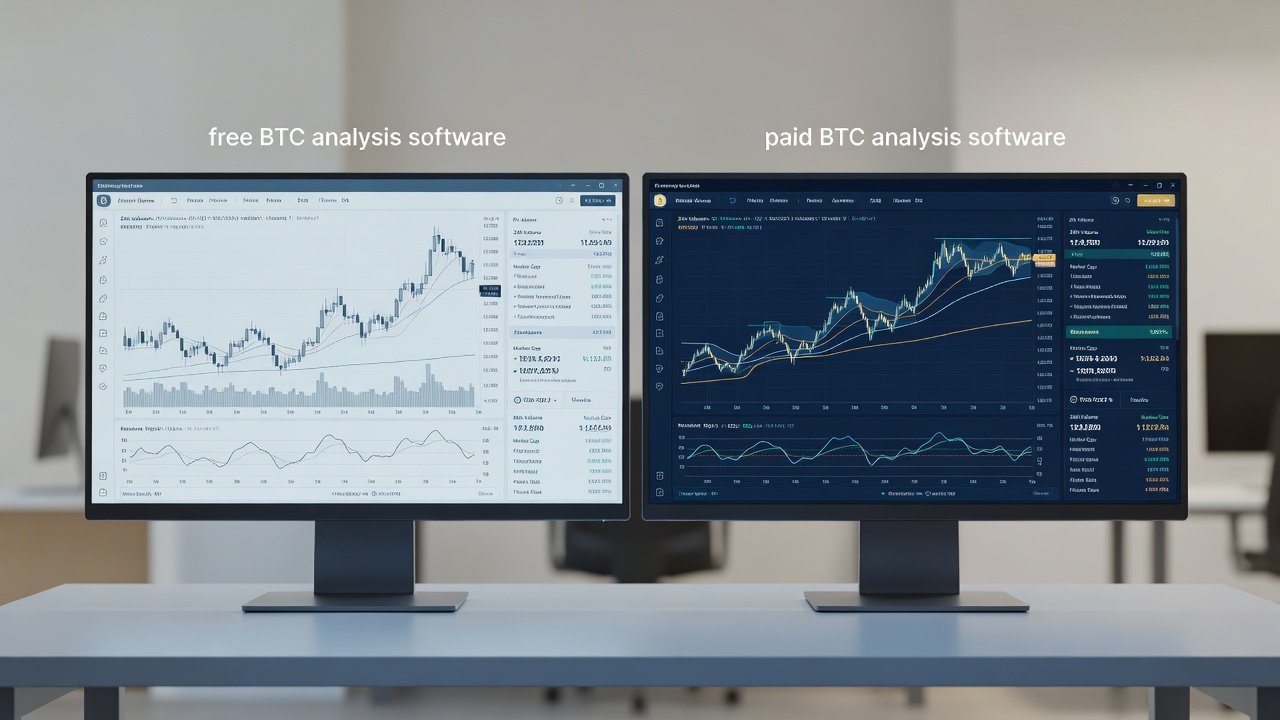
A direct comparison reveals trade-offs between accessibility and depth across categories like data latency, indicator variety, and export functionalities. Free tools suit beginners exploring Bitcoin news interpretation, while paid solutions deliver potential ROI through precise timing signals and reduced manual oversight. Users should consider their experience level and trading frequency when deciding. For example, a side-by-side test during a simulated market event might highlight how paid platforms reduce analysis time by up to half compared to free alternatives.
Practical Setup Guides
Start with a free account on a major platform to test core features such as chart customization and basic alerts. Connect your exchange API keys for live data flow, ensuring permissions are limited to read-only access for security. For paid tools, begin with a trial period to evaluate visualization performance and integration ease before committing long-term. Step-by-step, first verify data sources, then configure notifications for key metrics like whale movements, and finally test mobile apps for on-the-go monitoring. This approach minimizes setup errors and maximizes immediate value from day one.
User Case Studies and Performance in Volatile Periods
Traders using paid platforms reported faster reaction times during the 2025 market swings caused by global economic shifts. One example involved combining on-chain data with news sentiment analysis to anticipate a significant price movement within hours, allowing for timely position adjustments. Free tool users achieved similar results with manual monitoring but required more time investment and cross-referencing multiple sources. Another case study demonstrated how paid heatmaps helped identify correlation breakdowns between BTC and traditional assets during a liquidity crunch, providing an edge in portfolio rebalancing.
ROI Potential and Bitcoin News Interpretation
Evaluating return on investment involves assessing how tools translate into better trade outcomes and reduced emotional decision-making. Paid platforms often justify costs through time savings and access to unique datasets that enhance Bitcoin news interpretation, such as linking social sentiment spikes to price action. Free options build foundational skills effectively but may limit scalability as trading volume grows. Practical advice includes tracking personal performance metrics over several months to determine when upgrading becomes beneficial. Resources like bitcoin.org provide foundational education that complements any tool choice.
Common Mistakes to Avoid
Many users overlook data source verification, leading to reliance on outdated feeds during critical moments. Another frequent error is ignoring mobile compatibility, which restricts real-time monitoring while away from desktop setups. Avoid overcomplicating setups with too many indicators at once, as this can obscure clear signals. Instead, start simple and layer complexity gradually based on specific trading goals.
FAQs on Selecting BTC Analysis Tools
How do I choose between free and paid options? Assess your trading frequency and need for integrations. Beginners often start free, upgrading when ROI justifies the expense through demonstrated improvements in analysis speed and accuracy.
Do free tools provide accurate real-time data? Yes, but with potential delays compared to paid services during peak volatility, making them less ideal for high-frequency strategies.
What integrations matter most for BTC analysis? Look for connections to major exchanges, news APIs, and portfolio management software to create a unified workflow that supports comprehensive market views.
Conclusion
Both free and paid BTC analysis tools serve distinct user needs in 2026. Evaluate your requirements around data accuracy, visualization quality, and integration depth to maximize Bitcoin insights and trading outcomes. By following structured setup processes and learning from case examples, traders can make informed selections that align with their goals and experience levels. Continued exploration through authoritative sources such as blockchain.com further strengthens analytical capabilities over time.
No comments yet. Be the first!