 CryptoChain Blog
Introduction to Blockchain-Powered Energy Trading in 2026
The energy sector is undergoing a profound transformation as blockchain technology enables decentralized, transparent, and efficient electricity markets. In 2026, crypto news highlights how blockchain in energy trading is moving from experimental pilots to scalable platforms that connect renewable producers directly with consumers. This shift is driven by growing demand for sustainable solutions and the need to modernize aging grid infrastructure worldwide. Decentralized grids allow peer-to-peer electricity markets where households with solar panels can sell surplus power without intermediaries. Token incentives reward renewable producers, fostering greater adoption of clean energy sources while creating new economic opportunities for participants in both developed and emerging markets.
Investors and utilities alike are paying close attention because these platforms promise reduced transaction costs, improved data integrity, and real-time settlement capabilities that traditional systems struggle to match. As regulatory bodies refine their approaches, the intersection of blockchain and energy continues to generate substantial interest in crypto news cycles throughout the year.
How Decentralized Grids Enable Peer-to-Peer Electricity Markets
Traditional energy systems rely on centralized utilities that control distribution and pricing. Blockchain changes this by creating immutable ledgers for recording energy transactions in real time. Smart contracts automate settlements, reducing costs and increasing trust among participants. In a peer-to-peer setup, prosumers—those who both produce and consume energy—can directly negotiate prices and volumes with nearby consumers through decentralized applications. This model supports microgrids in urban and rural areas, improving resilience during outages and promoting local energy independence. For example, a neighborhood solar installation can distribute excess power to adjacent homes during peak demand periods without routing everything through a central operator.
The technology also facilitates better integration of variable renewable sources such as wind and solar by matching supply and demand dynamically. Participants trade kilowatt-hours as tokenized assets on the blockchain, enabling fractional ownership and easier liquidity. This setup reduces transmission losses associated with long-distance power delivery and empowers communities to achieve greater energy autonomy.
Token Incentives Driving Renewable Energy Production
Projects issue utility tokens that reward producers for generating and feeding renewable energy into the grid. These tokens can be traded or used to offset future energy purchases. The model aligns economic incentives with sustainability goals, accelerating the shift away from fossil fuels. By 2026, several platforms have refined tokenomics to include staking mechanisms that stabilize supply and demand while providing liquidity for participants. Producers earn additional rewards for consistent output during high-demand periods, which helps balance the grid naturally.
Token holders may also participate in governance decisions, such as voting on which renewable projects receive priority funding. This democratic element encourages broader community involvement and long-term commitment to clean energy initiatives. Real-world implementations have shown that well-designed incentive structures can increase renewable penetration rates significantly within local grids.
Regulatory Hurdles in Europe and Asia
Europe faces complex rules around data privacy and energy market liberalization. The European Commission continues to refine frameworks that balance innovation with consumer protection. In Asia, countries like Japan and Singapore are testing regulatory sandboxes, though cross-border trading remains challenging due to varying national policies. Additional considerations include carbon accounting standards and grid connection requirements that differ from one jurisdiction to another. Policymakers are increasingly consulting with blockchain developers to ensure new regulations support rather than stifle technological progress.
Compliance often involves detailed reporting on energy provenance and emissions reductions, which blockchain can help automate through verifiable on-chain records. However, navigating these evolving rules requires careful legal review for any project seeking international scale.
Real-World Pilots by Major Utilities
Leading utilities have launched blockchain-based pilots across multiple continents. These initiatives demonstrate how distributed ledger technology handles high-frequency micro-transactions while maintaining grid stability. Utilities in Germany and Australia, for instance, have tested platforms that allow residential solar owners to trade excess electricity directly with neighbors. Results indicate faster settlement times and lower administrative overhead compared with legacy billing systems. 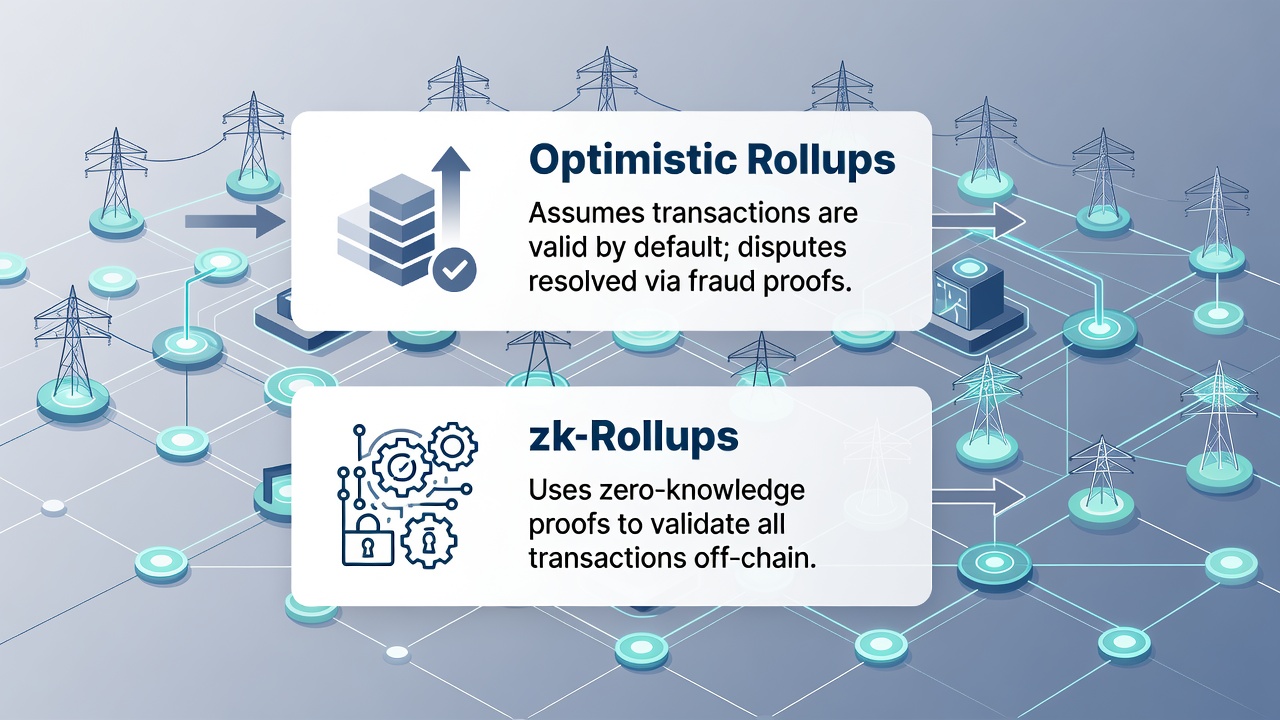
Other examples include collaborations between energy firms and technology providers to integrate Internet of Things devices with blockchain ledgers for automated metering and verification. These pilots provide valuable data on scalability, user adoption rates, and technical reliability under real operating conditions. Lessons learned are informing larger deployments planned for the coming years.
Comparing Layer-2 Solutions for Transaction Speed
Layer-2 scaling solutions are critical for energy trading platforms that require thousands of transactions per second. Optimistic rollups offer low fees but longer finality times, while zk-rollups provide stronger security guarantees at the cost of higher computational overhead. Developers evaluate these options based on throughput needs and regulatory compliance requirements. Additional solutions such as state channels allow direct off-chain interactions between trusted parties with periodic on-chain settlement, which can further reduce latency in localized energy markets.
When choosing a Layer-2 approach, projects must weigh factors including finality speed, data availability, and compatibility with existing smart contract languages. Benchmarks from recent tests show that hybrid architectures combining multiple Layer-2 techniques often deliver the best balance for energy-specific use cases. The Ethereum Foundation continues to publish resources that help developers assess these trade-offs for high-volume applications.
Practical Steps for Investors Evaluating Energy Crypto Projects
Investors should follow a structured process when assessing opportunities in this emerging sector. Here is a detailed checklist:
- Review token utility and governance models to ensure alignment with real energy flows and long-term project viability.
- Analyze pilot results from utility partners for measurable efficiency gains, including transaction volume and cost savings data.
- Assess regulatory compliance in target markets to avoid future legal risks and potential project delays.
- Compare Layer-2 performance metrics such as transactions per second, average fees, and security audit history.
- Examine community engagement and developer activity on open-source repositories to gauge ongoing support and innovation velocity.
- Evaluate partnerships with established energy companies and hardware providers for supply chain credibility.
- Study token distribution schedules and vesting periods to identify potential concentration risks.
- Monitor macroeconomic factors affecting renewable energy adoption, such as government subsidies and carbon pricing trends.
Following these steps helps investors distinguish promising projects from those that may struggle with technical or regulatory execution.
Challenges and Mitigation Strategies
Despite the promise, blockchain energy trading faces hurdles such as interoperability between different platforms and ensuring consistent data quality from distributed sensors. Mitigation includes adopting open standards for data formats and investing in robust oracle networks that feed accurate real-world information onto the chain. Cybersecurity remains a priority, with projects implementing multi-signature wallets and regular penetration testing to protect user assets and grid control systems.
FAQ: Common Misconceptions About Volatility and Scalability
Is energy token trading highly volatile?
While crypto markets fluctuate, energy-backed tokens often show lower volatility due to their connection to physical electricity production and consumption data. This linkage provides a natural anchor that pure speculative assets lack.
Can blockchain handle large-scale energy grids?
Modern Layer-2 solutions have demonstrated the capacity to process high volumes of micro-transactions, making scalability feasible for national-level deployments when combined with appropriate hardware infrastructure.
Do these systems require constant internet connectivity?
Most implementations assume reliable connectivity, but hybrid designs with offline transaction queuing are being developed to maintain operations during temporary outages.
Are token incentives fair to all participants?
Well-designed governance mechanisms aim to distribute rewards proportionally to actual energy contributions, though early adopters may receive additional bonuses that require careful evaluation.
Conclusion
Blockchain in energy trading represents a pivotal intersection of crypto news and sustainable infrastructure. As 2026 progresses, stakeholders who understand regulatory landscapes, technological trade-offs, and investment criteria will be best positioned to participate in this evolving market. Continued collaboration between technologists, utilities, and regulators will determine how quickly these innovations reach mainstream adoption. The International Energy Agency provides ongoing analysis that complements on-chain developments and helps guide strategic decisions in this space.


No comments yet. Be the first!