 CryptoChain Blog

Introduction to Real Estate Tokenization in 2026
Real estate tokenization is transforming property investment by enabling fractional ownership through blockchain technology. In 2026, this trend continues to gain traction as investors seek accessible entry points into high-value markets. This article examines the latest blockchain news, focusing on practical examples from major markets, successful platform launches, and regulatory developments that support secure participation. Fractional ownership allows multiple investors to hold shares in a single property, lowering barriers that traditionally required substantial capital. Blockchain ensures transparency, immutability, and efficient transfers via smart contracts. Readers seeking beginner-to-intermediate insights will find actionable advice on navigating this evolving space without hype.
Understanding Real Estate Tokenization and Fractional Ownership
Tokenization converts real estate ownership rights into digital tokens on a blockchain. Each token represents a fraction of the property, allowing investors to buy, sell, or trade portions rather than entire assets. This model improves accessibility for those who cannot afford full properties. In practice, a luxury apartment valued at millions can be divided into thousands of tokens, each granting proportional rights to rental income or appreciation. Smart contracts automate distributions and enforce rules like transfer restrictions. Compared to traditional real estate, tokenization reduces paperwork and speeds up transactions from weeks to minutes. However, it requires understanding blockchain wallets, gas fees for transfers, and custody solutions. Beginners should start by learning basic concepts such as public-private key cryptography before engaging with platforms.
Key 2026 Developments in Tokenization
Throughout 2026, several markets have seen regulatory wins that clarify how tokenized assets fit within existing frameworks. Platforms have launched with enhanced compliance features, attracting both retail and institutional interest. Performance metrics from recent deals highlight improved liquidity compared to traditional real estate. Regulatory clarity in the United States and Europe has encouraged more institutional participation, while Asia-Pacific regions focus on cross-border token standards. These developments signal a shift from experimental pilots to mainstream adoption.
Comparing Three Active Tokenization Projects
To provide actionable insights, here is a comparison of three prominent projects active in 2026. Project A operates primarily in the US residential sector with strong alignment to securities regulations. It has facilitated multiple tokenized apartment buildings, offering investors monthly dividend distributions via automated smart contracts. Project B targets European commercial properties and has secured approvals under EU frameworks, resulting in faster settlement times averaging under two hours for secondary trades. Project C leads in the Asia-Pacific region by tokenizing mixed-use developments and integrating local KYC tools to serve diverse investor bases across borders. Each project differs in asset focus, geographic reach, and technological emphasis, yet all prioritize audit trails and investor protections.
Steps for Investors to Participate Securely
Beginners and intermediate investors can follow these practical steps to engage safely with tokenized real estate. First, research platforms with proven regulatory compliance and third-party audits from reputable firms. Verify that the platform maintains clear custody arrangements for both tokens and underlying property deeds. Second, set up a secure digital wallet and consider hardware options for storing tokens offline. Third, review detailed property documentation including independent valuation reports, legal ownership structures, and risk disclosures. Fourth, begin with small fractional positions to observe liquidity, transfer processes, and dividend mechanics in real time. Fifth, consult licensed tax professionals who understand digital asset reporting requirements before making larger commitments. Finally, monitor ongoing platform updates related to regulatory changes. Always prioritize platforms that enforce robust KYC and AML processes to reduce exposure to fraud.
Common Pitfalls and Compliance Considerations
Investors should avoid overhyping potential returns without thorough due diligence. Common issues include underestimating tax implications and selecting platforms without robust legal backing. Regulatory bodies like the SEC provide guidance on how tokenized securities are treated, helping users navigate requirements effectively. Another frequent mistake is ignoring liquidity risks during market fluctuations. Cross-border deals may involve additional jurisdictional complexities that demand careful review. Failing to maintain proper records can also lead to compliance headaches during tax season. To mitigate these risks, investors should maintain detailed transaction logs and seek platforms that offer transparent reporting tools.
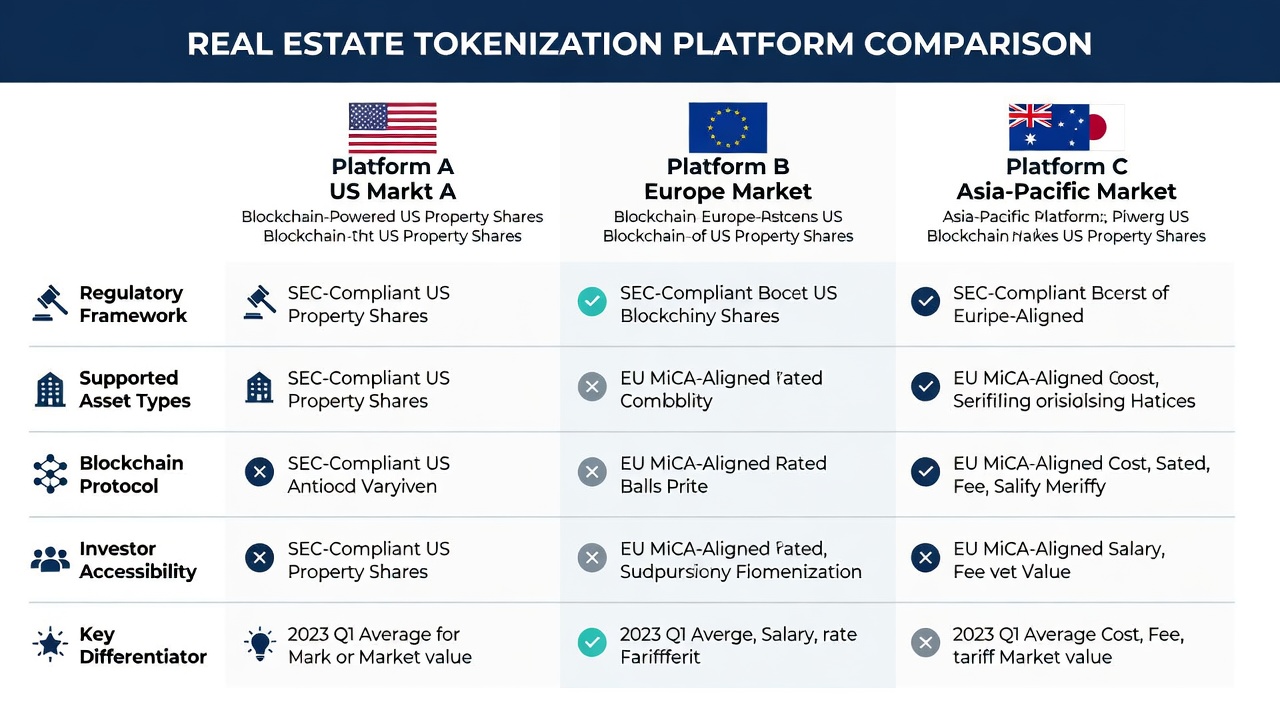
Performance Metrics and Real-World Examples from 2026 Deals
Recent transactions in 2026 have shown notable improvements in transaction speed and investor access. Deals in major cities demonstrated how tokenization can reduce traditional closing timelines significantly. For instance, several residential portfolios saw secondary market trading volumes increase steadily throughout the year. Expert quotes from industry leaders underscore the role of blockchain in enhancing transparency and trust. One portfolio manager noted that tokenized properties allow for more granular risk management through diversified holdings. These examples illustrate practical benefits while highlighting the importance of selecting established platforms.
Liquidity, Tax Implications, and Investor Considerations
Liquidity remains a key advantage of tokenized real estate, yet it varies by platform and market conditions. Secondary marketplaces enable token trading, but volumes can fluctuate. On the tax side, gains from token sales and rental income distributions are typically reportable events. The IRS treats digital assets similarly to other property for capital gains purposes. Investors should track cost basis carefully and consider how different jurisdictions classify tokenized ownership. Diversification across multiple projects can help manage both market and regulatory risks.
FAQ Section
How does tokenization improve liquidity in real estate?
By dividing properties into digital tokens, investors can trade shares more easily on secondary markets, unlike traditional sales that involve lengthy processes and high minimum investments.
What are the tax implications of tokenized real estate?
Tax treatment varies by jurisdiction but generally follows rules for digital assets and property ownership. Professional advice is essential as rules evolve with new guidance from authorities.
Is fractional ownership suitable for beginners?
Yes, when starting small and using compliant platforms, it offers an entry point with managed risk profiles and educational resources provided by many operators.
What security measures should investors prioritize?
Focus on platforms with audited smart contracts, cold storage options, and clear insurance policies covering potential losses from technical failures or breaches.
How do regulatory changes affect 2026 participation?
Ongoing clarifications from regulators can open new markets while imposing stricter disclosure rules. Staying informed through official channels helps investors adapt quickly.
Conclusion
Real estate tokenization in 2026 represents a maturing intersection of blockchain and traditional finance. By understanding case studies, following secure steps, and addressing compliance, investors can make informed decisions. Stay updated through authoritative sources for the latest developments in this dynamic field.
No comments yet. Be the first!