 CryptoChain Blog

Introduction to DePIN in 2026 Crypto News
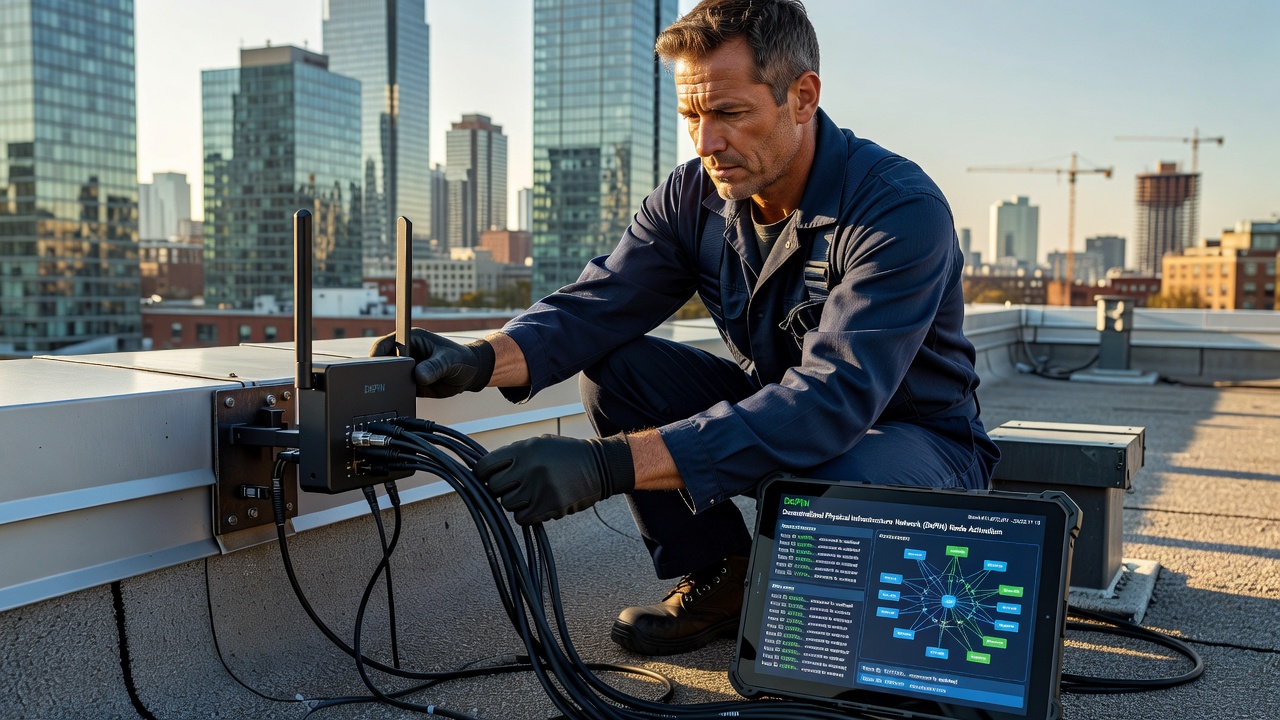
Decentralized Physical Infrastructure Networks, or DePIN, have emerged as a transformative force in the cryptocurrency landscape by 2026. These networks combine blockchain incentives with real-world hardware to build decentralized alternatives to traditional infrastructure in sectors like wireless connectivity, data storage, and energy distribution. As crypto adoption accelerates, DePIN projects are attracting both investors and operators seeking passive income through node participation. The model incentivizes individuals and businesses to deploy physical devices such as routers, hard drives, sensors, and solar equipment that deliver measurable services to users around the globe.
The appeal lies in bridging digital tokens with tangible utility. Instead of purely speculative assets, DePIN tokens reward users for deploying and maintaining physical devices that deliver services like internet access or compute power. This model fosters organic growth and real-world impact, moving beyond the limitations of purely digital cryptocurrencies. In 2026, DePIN has gained mainstream attention because it solves practical problems in connectivity gaps, data sovereignty, and sustainable energy while generating crypto rewards. Early adopters report improved network reliability compared to centralized providers, and the sector continues to attract venture funding and developer talent.
History and Evolution of DePIN
DePIN concepts trace back to early blockchain experiments around 2017-2018 when projects first explored token rewards for hardware contributions. Initial efforts focused on file sharing and basic IoT connectivity. By 2023, the term DePIN gained traction as multiple networks proved viable tokenomics. The 2024-2025 period saw rapid hardware cost reductions and improved blockchain scalability, setting the stage for 2026's explosive growth. Today, DePIN protocols integrate advanced features such as zero-knowledge proofs for privacy-preserving verification and AI-driven optimization of node placement.
Leading DePIN Projects Across Key Sectors
Wireless Connectivity Networks
Projects in wireless DePIN focus on expanding coverage through community-owned hotspots. Helium remains a pioneer, enabling low-power wide-area networks for IoT devices. Newer entrants have scaled similar models, integrating 5G elements for broader applications in smart cities and logistics. These networks support real-time tracking for supply chains and environmental monitoring in remote areas where traditional carriers have limited presence.
Decentralized Storage Solutions
Storage-focused DePINs provide alternatives to centralized cloud providers. Participants earn tokens by offering disk space and bandwidth, creating resilient data networks resistant to censorship or single points of failure. Leading protocols emphasize redundancy across geographic regions, ensuring data availability even during regional outages. Recent 2026 deployments include expanded European wireless meshes and Asian storage clusters demonstrating improved uptime during peak demand periods.
Energy Sector Innovations
Energy DePINs enable peer-to-peer trading of renewable power. Operators deploy solar panels or batteries that feed into decentralized grids, with blockchain handling settlements and incentives for excess energy contribution. These systems promote grid stability by balancing local supply and demand in real time. Additional sectors gaining traction include mobility networks for electric vehicle charging and sensor arrays for climate data collection.
Tokenomics Models Driving Adoption
Effective tokenomics balance supply, demand, and rewards to sustain long-term participation. Many DePIN protocols use dual-token systems separating governance from utility. Rewards are often tied to verifiable hardware uptime and service quality metrics, discouraging low-effort farming. Dynamic inflation controls and staking requirements help align operator incentives with network health. Some projects incorporate slashing mechanisms that penalize poor performance, while others use reputation scores to prioritize high-quality nodes. These designs encourage operators to maintain reliable equipment and contribute consistently rather than chasing short-term gains.
Regulatory Considerations for DePIN
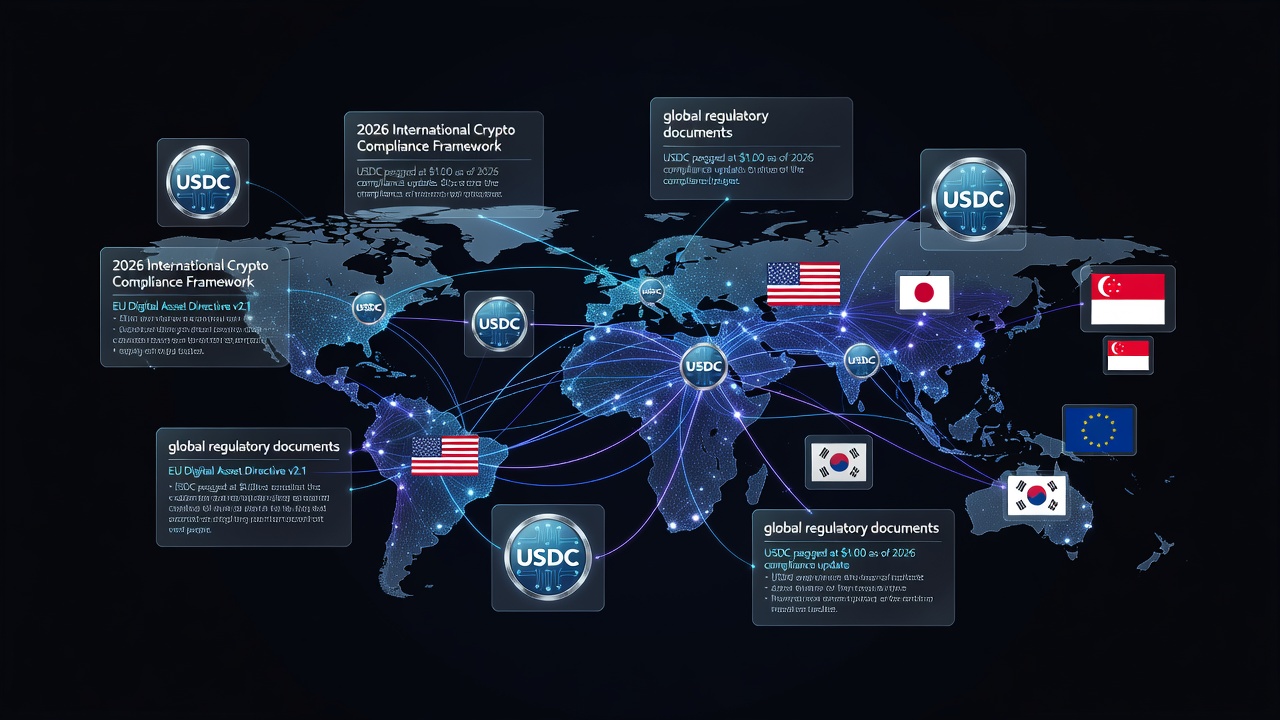
Navigating regulations remains critical as DePIN scales. In the United States, oversight from bodies like the SEC focuses on whether tokens qualify as securities. Wireless projects must also comply with spectrum rules enforced by the FCC. Globally, jurisdictions vary in their treatment of hardware incentives, requiring operators to monitor local licensing and tax implications. European operators face additional data protection requirements under GDPR frameworks, while Asian markets emphasize consumer protection standards for energy trading. Staying informed through official government resources helps operators avoid compliance pitfalls.
Comparisons of Top DePIN Protocols
Choosing the right protocol requires understanding differences in hardware requirements, reward structures, and use cases. Wireless networks typically demand higher upfront hardware investment but deliver steady coverage-based rewards. Storage protocols offer lower barriers with existing computers yet face competition from hyperscale providers. Energy projects provide environmental impact alongside financial returns but experience seasonal variability. Key comparison points include:
- Entry cost and ongoing electricity consumption
- Token utility for payments versus governance
- Geographic coverage and demand density
- Community governance participation levels
- Integration with other blockchain ecosystems
Operators often diversify across two or three protocols to balance risk and maximize returns.
Step-by-Step Guide to Participating as a Node Operator
- Research compatible hardware and verify minimum specifications for your chosen network, including processor speed, storage capacity, and connectivity requirements.
- Purchase or assemble devices from authorized vendors and complete any required firmware updates to ensure compatibility with the latest protocol versions.
- Create a secure wallet and stake the necessary tokens to activate operator status, reviewing lock-up periods and withdrawal conditions carefully.
- Install the node software on a dedicated machine or edge device, connect hardware to a stable internet connection, and register the device on the blockchain dashboard.
- Monitor performance metrics daily through official dashboards and maintain uptime through regular maintenance, firmware patches, and backup power solutions.
- Claim rewards periodically while reinvesting a portion to compound growth and consider scaling with additional nodes once initial performance stabilizes.
Always start small and test connectivity before scaling deployments. Document all expenses for tax reporting purposes.
Common Risks and Rewards: FAQ
What are the main risks of operating a DePIN node?
Hardware failure, regulatory changes, token price volatility, and competition from larger operators can reduce returns. Proper insurance and diversified deployments mitigate some exposure. Environmental factors such as extreme weather can also affect outdoor equipment longevity.
How do rewards compare to traditional staking?
DePIN rewards often exceed pure staking yields due to hardware contribution but require ongoing maintenance and capital expenditure. Returns depend on network utilization and operator diligence.
Is DePIN suitable for beginners?
Entry is accessible with plug-and-play kits, yet understanding token mechanics and local regulations is essential before committing funds. Educational resources from protocol foundations help reduce the learning curve.
What happens if the network faces low adoption?
Reduced demand lowers token utility and rewards, underscoring the importance of selecting established protocols with proven traction and active developer communities.
Are there security concerns with running nodes?
Nodes can be targets for physical theft or remote attacks. Operators should use strong passwords, firewall rules, and secure locations to protect devices and private keys.
How does geographic location affect earnings?
Urban areas with high demand typically generate higher rewards than rural zones. Some protocols adjust incentives to encourage coverage in underserved regions.
Future Outlook and Strategic Recommendations
Looking ahead, DePIN is expected to integrate further with artificial intelligence for autonomous network optimization and with layer-2 scaling solutions for lower transaction costs. Strategic operators monitor protocol updates, participate in governance votes, and form local communities for knowledge sharing. Diversification across sectors and continuous education remain the best approaches for sustainable involvement in this evolving space.
Conclusion
DePIN networks continue reshaping infrastructure in 2026 by merging blockchain economics with physical assets. From wireless expansion to energy democratization, these systems offer compelling opportunities for crypto participants. By understanding tokenomics, regulations, and operational steps, readers can evaluate involvement thoughtfully and contribute to decentralized growth that benefits both individuals and society at large.

No comments yet. Be the first!