 CryptoChain Blog
Introduction to 2026 Stablecoin Regulations
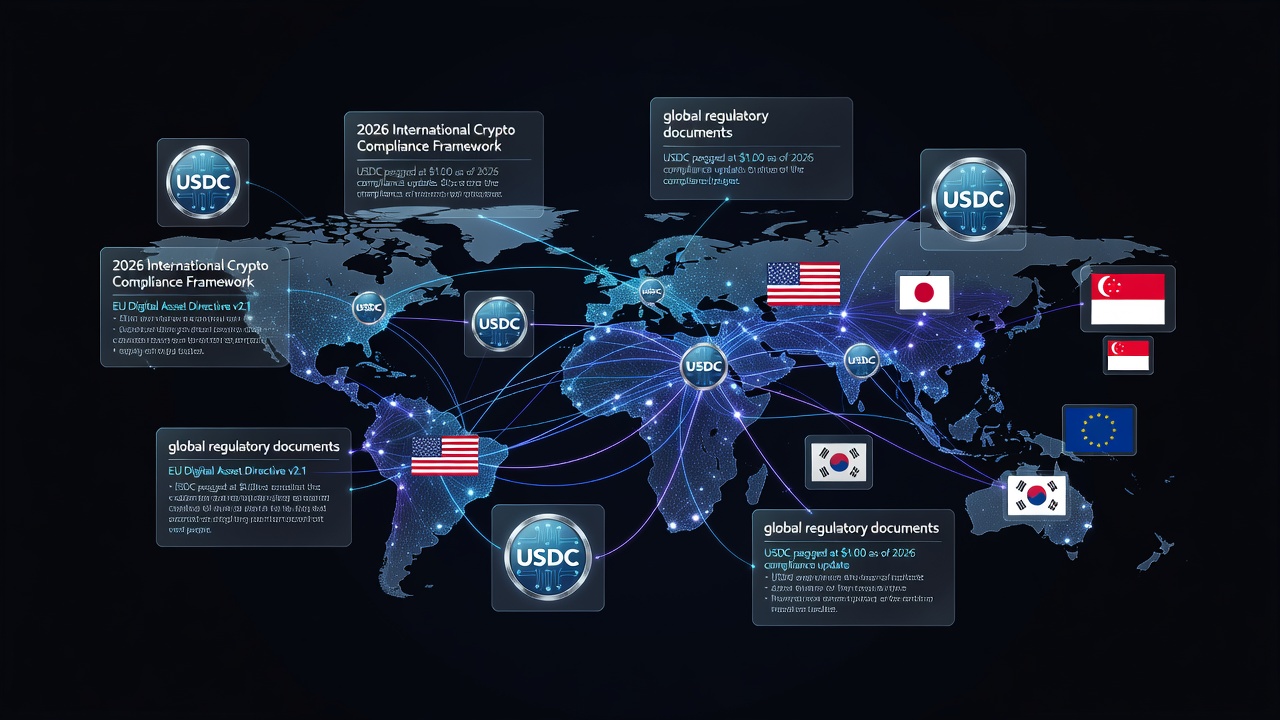
In 2026, stablecoin regulations are reshaping the cryptocurrency landscape, offering clearer frameworks that balance innovation with consumer protection. This article dives deep into the latest developments across major jurisdictions, using real-world examples from issuers like USDC and emerging projects. Readers seeking actionable insights from current blockchain updates will find practical guidance on compliance, risk evaluation, and model comparisons. The focus remains on how these rules influence market stability, business operations, and investor decision-making in an era of rapid blockchain evolution.
US Regulatory Framework for Stablecoins in 2026
The United States has advanced comprehensive stablecoin legislation, emphasizing reserves transparency and anti-money laundering measures. Key proposals now require issuers to maintain 100% high-quality liquid assets backing their tokens. For instance, Circle's USDC continues to lead with regular attestations, demonstrating how established players adapt to new oversight from bodies like the SEC and Treasury Department. Additional requirements include mandatory stress testing and public disclosure of reserve compositions on a weekly basis. Businesses must now register as money services businesses and implement robust KYC protocols. This shift promotes market stability by reducing systemic risks associated with undercollateralized assets. Companies operating in the US are also encouraged to partner with federally insured banks for custody arrangements, which adds an extra layer of security for users.
Real-world examples show how USDC has navigated these changes by publishing detailed reports that align with emerging standards. Emerging projects, meanwhile, are exploring partnerships with traditional financial institutions to meet the heightened bar for entry.
EU's MiCA Implementation and Stablecoin Rules
The EU's Markets in Crypto-Assets (MiCA) regulation, fully effective in 2026, sets strict standards for e-money tokens and asset-referenced tokens. Issuers face authorization requirements and limits on reserves to prevent concentration risks. Real-world applications include adaptations by major stablecoin projects to comply with these pan-European standards, such as obtaining licenses from national competent authorities. European Commission resources provide official guidance on MiCA compliance pathways. Furthermore, MiCA introduces rules on redemption rights, ensuring that token holders can always convert their stablecoins back to fiat at par value without undue delays.
Businesses entering the EU market must also navigate data protection intersections with GDPR, creating a comprehensive compliance environment that protects both financial and personal data.
Asian Regulatory Developments
Asia presents a diverse regulatory picture, with Singapore and Japan offering progressive yet cautious approaches, while Hong Kong focuses on licensing for fiat-backed stablecoins. The Monetary Authority of Singapore has introduced sandbox programs allowing tested innovations under supervision. Emerging projects in these regions are leveraging these frameworks to expand cross-border payments, particularly in trade finance and remittances. Monetary Authority of Singapore guidelines outline licensing criteria that emphasize consumer safeguards and technological resilience.
In Japan, stablecoin issuers must adhere to payment services laws that prioritize interoperability with existing banking systems. Hong Kong's regime requires regular audits and caps on non-fiat reserves, fostering trust among institutional participants.
Market Stability Impacts from New Rules
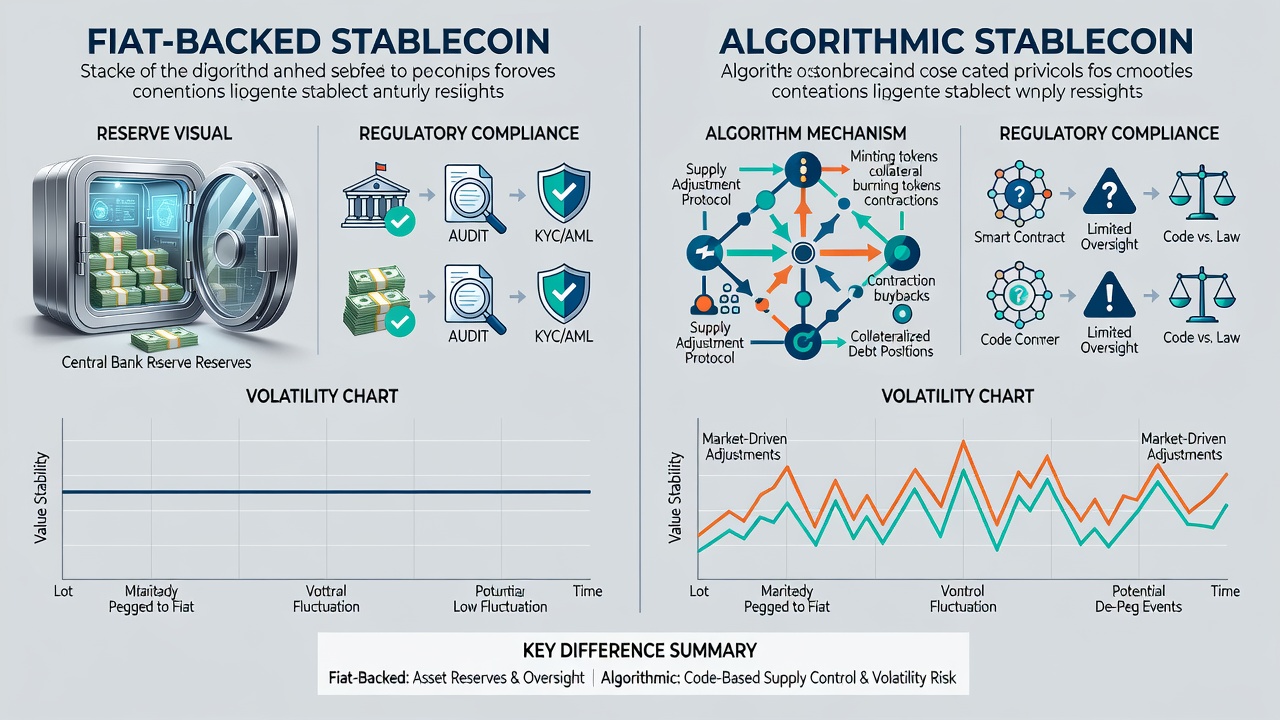
Regulatory clarity is enhancing overall market confidence, with stablecoins playing a larger role in DeFi and remittances. However, stricter rules may initially slow innovation for smaller issuers. Comparisons show fiat-backed models gaining favor due to easier compliance versus algorithmic ones, which face heightened scrutiny over volatility mechanisms. Broader cryptocurrency news in 2026 reflects how these regulations integrate stablecoins more deeply into mainstream finance, potentially increasing total market capitalization while reducing instances of sudden de-pegging events.
Examples from USDC demonstrate improved liquidity during market fluctuations, contributing to ecosystem-wide resilience.
Compliance Strategies for Businesses
Businesses should prioritize the following steps to remain competitive:
- Conduct regular reserve audits by independent firms on at least a monthly basis.
- Implement advanced on-chain monitoring tools that flag suspicious activity in real time.
- Engage legal experts early for jurisdiction-specific filings and ongoing regulatory updates.
- Develop contingency plans for potential delistings or changes in reserve requirements.
- Train staff on evolving AML and KYC standards to avoid operational bottlenecks.
- Explore hybrid custody solutions that combine traditional banking with blockchain security.
These strategies help mitigate operational disruptions while aligning with 2026 standards. USDC serves as a benchmark, having successfully scaled its compliance infrastructure across multiple regions.
Fiat-Backed vs Algorithmic Stablecoin Models
Fiat-backed stablecoins like USDC rely on traditional reserves, offering predictability but requiring banking partnerships. Algorithmic models aim for decentralization through smart contracts but have historically struggled with de-pegging events. In 2026, regulations favor hybrid approaches that incorporate elements of both for better resilience. Practical comparisons reveal that fiat-backed options provide faster onboarding for enterprises, while algorithmic variants appeal to decentralized finance enthusiasts seeking minimal counterparty risk.
Businesses evaluating models should weigh factors such as redemption speed, reserve transparency, and regulatory approval timelines. SEC investor resources offer additional context on how different structures interact with US oversight.
Practical Steps for Investors to Evaluate Stablecoin Risks
Investors can follow this detailed checklist to assess risks effectively:
- Review the issuer's transparency reports and reserve composition monthly, paying attention to asset quality and liquidity ratios.
- Analyze historical peg stability data during market stress periods, including simulations of black swan events.
- Evaluate regulatory compliance status in key jurisdictions such as the US, EU, and Singapore.
- Consider diversification across multiple stablecoins rather than concentrating holdings in a single issuer.
- Monitor on-chain metrics such as transaction volume, holder distribution, and smart contract audit histories.
- Assess redemption policies and any associated fees or waiting periods that could impact liquidity.
- Stay updated on broader crypto news through official regulatory announcements to anticipate policy shifts.
These actions empower informed decisions amid evolving regulations and help avoid common pitfalls like over-reliance on untested algorithmic mechanisms.
FAQ on Stablecoin Adoption and Volatility
How do 2026 regulations affect stablecoin adoption?
Regulations are expected to boost institutional adoption by providing legal certainty, though retail users may see improved protections against fraud and improved access to insured products.
Are algorithmic stablecoins more volatile under new rules?
Yes, they face stricter testing requirements and reserve buffers, which could limit their use cases compared to fiat-backed alternatives that benefit from clearer reserve mandates.
What should businesses watch for in compliance?
Focus on reserve quality, reporting frequency, cross-border transfer restrictions, and integration with traditional financial rails to avoid penalties or service interruptions.
How can investors prepare for potential market shifts?
By maintaining diversified portfolios, regularly reviewing issuer disclosures, and understanding the differences between fiat-backed and algorithmic designs in light of new oversight.
Conclusion
2026 marks a pivotal year for stablecoin regulations, driving maturity in the crypto sector. By understanding these frameworks, stakeholders can navigate opportunities while managing risks effectively. Stay informed through official channels for the latest updates and continue to apply the practical strategies outlined above for long-term success in blockchain ecosystems.

No comments yet. Be the first!