 CryptoChain Blog
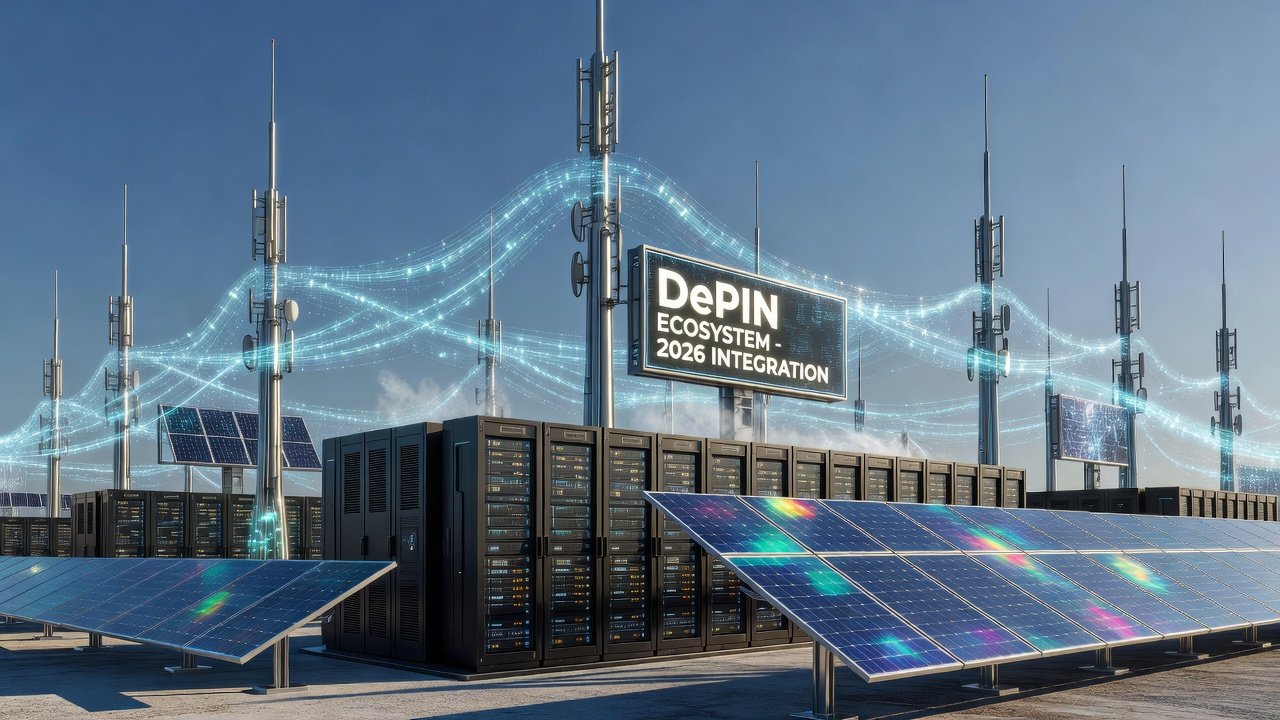
Introduction to 2026 DePIN Sector Leadership
Decentralized Physical Infrastructure Networks (DePIN) have matured significantly by 2026, shifting from experimental projects to proven deployments that deliver measurable value across multiple industries. This article examines concrete case studies in wireless connectivity, distributed storage, and renewable energy sectors. Operators and investors gain practical insights into token performance, node-level economics, regulatory hurdles, and adoption barriers that influence long-term success. Rather than broad overviews, the focus remains on specific metrics from live networks, real operator experiences, and side-by-side evaluations that support informed decision-making.
Wireless Sector: Helium Network Expansion in Detail
The Helium network demonstrates robust growth in 2026 through widespread LoRaWAN hotspots that support Internet of Things applications. Node operators report consistent rewards tied directly to verified data transfer volumes rather than speculative mining activities. Setup involves purchasing approved hardware such as the latest hotspot models and securing a location with strong line-of-sight coverage. Regulatory hurdles include spectrum compliance across multiple jurisdictions, often requiring coordination with local telecommunications authorities and adherence to emission standards. Token performance metrics show steady utility growth as enterprise partners integrate coverage for logistics tracking and smart city sensors. Urban operators face higher competition while rural deployments benefit from lower density but slower initial reward accumulation. Practical examples include a mid-sized operator in North America achieving break-even within eight months by optimizing antenna placement and participating in network governance votes.
Storage Sector: Filecoin and Arweave Deployments Examined
Storage-focused DePIN projects like Filecoin have scaled through enterprise data deals that lock in long-term capacity commitments. Node operators benefit from predictable revenue streams generated by committed storage deals rather than volatile spot markets. Hardware requirements center on high-capacity, redundant servers with enterprise-grade SSDs, uninterrupted power supplies, and high-bandwidth internet connections. Adoption barriers include data privacy regulations such as GDPR compliance and the need for specialized technical knowledge during initial configuration and ongoing maintenance. Recent pilots in 2026 highlight improved retrieval speeds that make these networks viable alternatives to centralized cloud providers for archival and backup workloads. Operators who diversify across multiple storage deals report more stable token earnings compared to those relying on single large contracts.
Energy Sector: Power Ledger and Similar Pilots Analyzed
Energy DePIN initiatives enable peer-to-peer trading of renewable power through blockchain marketplaces that match local generation with consumption. Participants deploy solar panels or battery systems connected to smart meters that record transactions transparently. Node economics depend heavily on local energy pricing structures and grid integration rules that vary by country. Regulatory challenges remain significant, particularly around utility interconnection standards, metering accuracy requirements, and net metering policies. Successful pilots in 2026 demonstrate reduced curtailment rates for renewable producers through decentralized coordination that balances supply and demand in real time. One European pilot showed operators achieving higher utilization rates by dynamically adjusting output based on network signals.
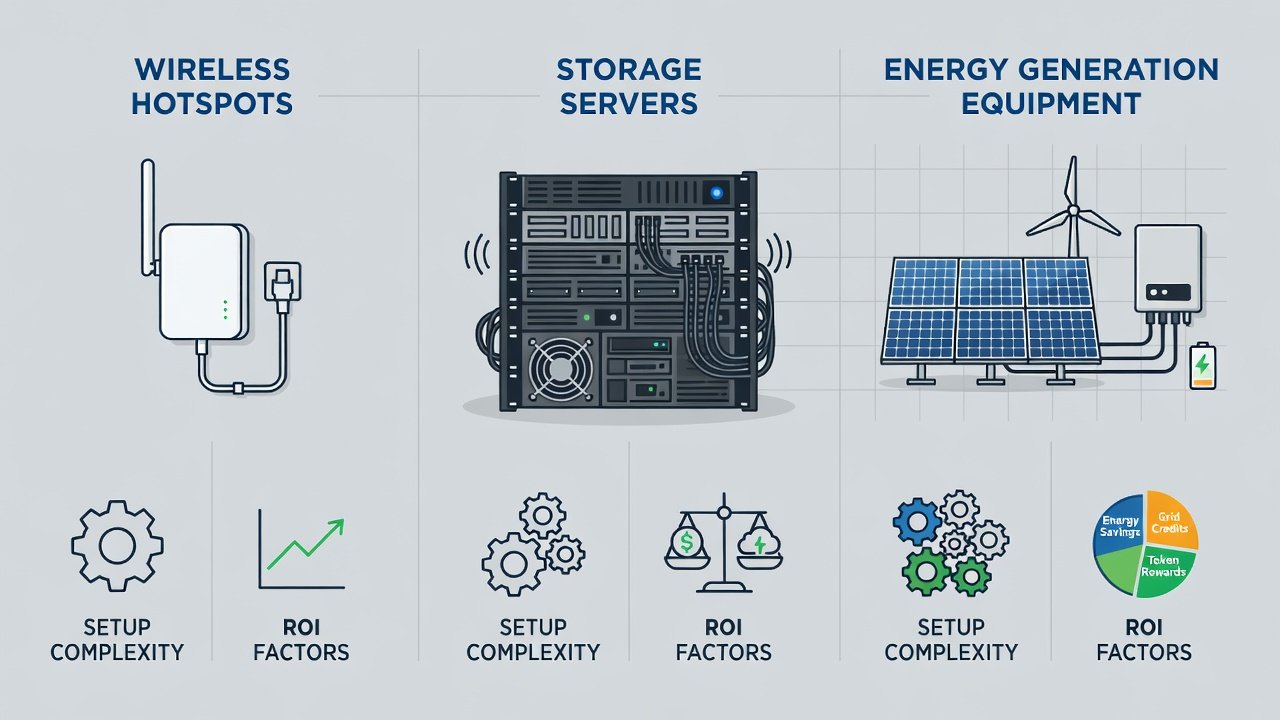
Side-by-Side Comparison of Setup Requirements and ROI Examples
- Wireless setups demand moderate hardware investment with quick deployment timelines; ROI is driven by coverage density, data usage volume, and consistent uptime. Example operators report monthly returns scaling with active connections.
- Storage nodes require higher capital outlay for disk arrays and cooling infrastructure; payback periods extend longer but deliver stable returns from committed storage deals that lock in multi-year revenue.
- Energy projects carry the highest infrastructure costs due to generation equipment and grid tie-ins; ROI varies based on local demand patterns, policy incentives, and seasonal production fluctuations.
- Cross-comparison reveals wireless offers fastest initial cash flow while energy provides the greatest long-term asset value retention when paired with storage solutions.
Operators should evaluate local regulations before committing resources, as compliance timelines range from weeks in supportive jurisdictions to over a year in stricter markets.
Node Economics Deep Dive Across Networks
Understanding token performance requires examining reward distribution mechanisms, staking requirements, and operational expenses. Wireless nodes typically earn through proof-of-coverage and data transfer proofs, with expenses limited to electricity and occasional hardware upgrades. Storage nodes incur higher ongoing costs for power and bandwidth but benefit from deal-based predictability. Energy nodes face variable returns tied to wholesale market prices yet gain from ancillary services such as frequency regulation. Recent operator reports indicate that combining wireless and storage nodes on shared infrastructure can improve overall capital efficiency.
Regulatory Hurdles in Detail and Mitigation Approaches
Each sector encounters distinct regulatory landscapes. Wireless networks must navigate spectrum licensing and device certification processes. Storage providers address cross-border data transfer rules and cybersecurity mandates. Energy participants deal with utility commission approvals and safety certifications for interconnected systems. Practical mitigation includes engaging legal experts early, joining industry associations for collective advocacy, and maintaining detailed compliance documentation. Pilots that incorporated regulatory feedback loops from the outset achieved faster scaling than those that treated compliance as an afterthought.
Risk Mitigation Strategies for DePIN Operators
Diversifying across multiple networks reduces single-project exposure and smooths earnings volatility. Regular hardware maintenance schedules and appropriate insurance policies protect against unexpected downtime. Monitoring token liquidity metrics and participating in governance forums helps operators adapt quickly to protocol upgrades. Practical steps include beginning with smaller node counts to validate performance, maintaining reserve capital for hardware refreshes, and using monitoring dashboards to track uptime and reward trends daily. International Energy Agency reports offer valuable benchmarks for assessing energy-related DePIN viability under different policy scenarios.
Future Scalability Projections from Recent Pilots
2026 pilot programs indicate strong potential for cross-sector integration, such as wireless networks supporting real-time energy metering devices and storage nodes backing up sensor data from distributed grids. Scalability depends on continued hardware efficiency gains and clearer regulatory frameworks that reduce approval friction. Federal Communications Commission guidelines on spectrum allocation will directly influence wireless expansion velocity in North America. Additional projections point to broader enterprise adoption once interoperability standards mature, enabling hybrid deployments that combine wireless coverage, decentralized storage, and localized energy trading within single geographic zones.
Practical Steps for New Operators
Begin by researching approved hardware lists published by each network and verifying local zoning or permitting needs. Next, calculate expected monthly operating costs including electricity and connectivity. Test small deployments before scaling, and join community forums to learn from experienced operators. Finally, establish performance tracking systems that alert on reward drops or hardware issues promptly.
Conclusion
These 2026 case studies illustrate tangible progress in DePIN applications across wireless, storage, and energy domains. Success requires careful attention to node economics, regulatory navigation, and ongoing operational discipline. Investors and operators who prioritize practical pilots and incremental scaling over hype stand to benefit most from continued sector maturation and integration opportunities.
FAQ
What is the minimum participation threshold for DePIN networks? Requirements vary by project but often start with one approved hardware unit and basic internet connectivity; some networks also require a minimum staking amount in native tokens.
How do regulatory hurdles differ across sectors? Wireless faces spectrum licensing and device certification, storage contends with data sovereignty and privacy laws, while energy must navigate grid interconnection rules and safety standards.
Can operators run nodes across multiple DePIN categories simultaneously? Yes, many participants diversify hardware across wireless, storage, and energy projects to balance risk and smooth returns, though this increases management complexity.
What common mistakes should new operators avoid? Rushing large deployments without testing coverage or demand, ignoring local permitting requirements, and failing to budget for ongoing maintenance and hardware depreciation.
No comments yet. Be the first!