 CryptoChain Blog
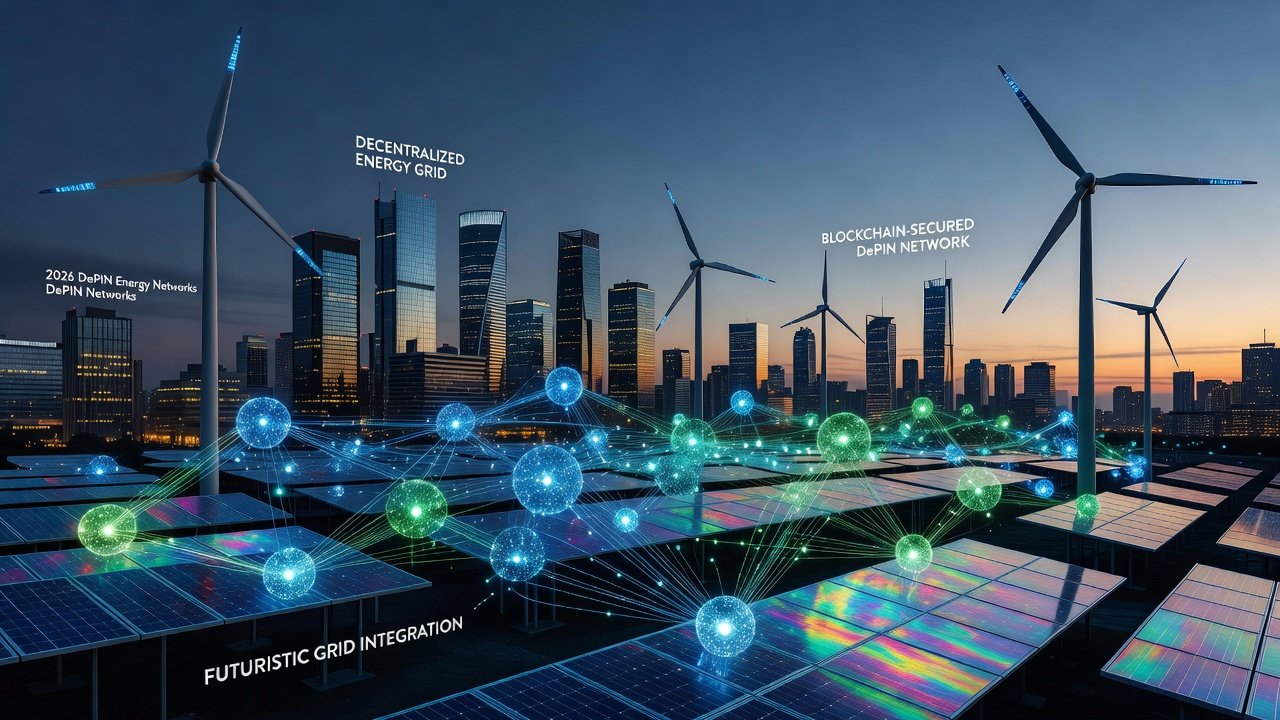
Introduction to DePIN Energy Networks in 2026
Decentralized Physical Infrastructure Networks (DePIN) are transforming energy trading by enabling peer-to-peer exchanges through blockchain technology. In 2026, these networks build on successful pilots in Europe and Asia, offering improved efficiency, reduced costs, and greater accessibility for renewable energy sources. DePIN projects combine hardware nodes with tokenized incentives to create resilient local grids that can operate independently or integrate with traditional utilities. This evolution addresses key challenges in energy distribution such as intermittency from renewables and centralized bottlenecks. Readers seeking comprehensive comparisons will find detailed analysis here covering tokenomics, real-world performance, and practical guidance for participation.
Top 5 DePIN Energy Projects Overview
The leading projects in 2026 include VoltChain, SolarNode, EcoGrid, RenewNet, and FluxEnergy. Each excels in specific areas such as scalability, regional adoption, and technological innovation. These platforms have emerged from rigorous testing phases and now support thousands of active nodes worldwide. Understanding their unique strengths helps investors and operators make informed decisions.
VoltChain
VoltChain focuses on European grid integration with strong tokenomics that reward long-term node operators through staking mechanisms. Its architecture supports high-volume transactions across interconnected grids in countries like Germany and the Netherlands. The project emphasizes compatibility with existing smart meters and regulatory frameworks.
SolarNode
Deployed heavily in Asia, SolarNode emphasizes solar-specific nodes and has shown solid returns in pilot programs across Southeast Asia. The network prioritizes lightweight hardware suitable for residential rooftops and small commercial installations, making it accessible for emerging markets.
EcoGrid
EcoGrid prioritizes security benchmarks and regulatory compliance across multiple jurisdictions. It incorporates advanced encryption and real-time monitoring to protect against cyber threats common in energy infrastructure.
RenewNet
RenewNet offers balanced economics suitable for both residential and commercial participants. Its hybrid model allows flexible scaling from individual homes to industrial parks.
FluxEnergy
FluxEnergy stands out for its innovative cross-border trading features demonstrated in recent trials between European and Asian partners. The platform uses advanced consensus algorithms to facilitate seamless energy swaps across different regulatory environments.
Tokenomics and Node Economics Comparison
Each project uses native tokens to incentivize participation. Node operators earn through transaction fees and network rewards, with varying lock-up periods and distribution models that affect overall sustainability. VoltChain employs a dual-token system separating governance from utility functions, reducing volatility for operators. SolarNode focuses on rapid reward distribution to encourage quick deployment in high-growth regions. EcoGrid incorporates penalty mechanisms for downtime to maintain network reliability. RenewNet balances rewards between node owners and energy producers. FluxEnergy introduces dynamic pricing based on real-time supply and demand signals. These economic designs influence long-term viability and operator retention rates observed in 2026 deployments.
Real ROI Examples from Europe and Asia
Pilots in Germany and Singapore have delivered consistent positive outcomes for early participants, highlighting the viability of decentralized energy markets when supported by local infrastructure. In one European case, residential nodes contributed to community grids during peak summer demand, generating supplemental income streams beyond basic energy savings. Asian deployments in urban solar clusters demonstrated improved uptime and faster payback through aggregated trading volumes. Operators reported enhanced returns when combining node rewards with local feed-in tariffs. These examples underscore the importance of location-specific factors such as sunlight hours, grid connectivity, and policy support. Broader trends show that well-positioned projects achieve stable participation growth as more users join the network effect.

Regulatory Factors and Security Benchmarks
Compliance with evolving energy regulations remains critical. Projects like EcoGrid lead in security audits and encryption standards, reducing risks associated with data and asset management. In Europe, adherence to GDPR and grid codes is mandatory, while Asian markets often require additional certifications for cross-border data flows. Security benchmarks typically include penetration testing, multi-signature wallet protections, and regular third-party audits. FluxEnergy has pioneered zero-knowledge proofs for transaction privacy without compromising auditability. Investors should examine each project's compliance roadmap and incident response history to assess resilience against both regulatory shifts and technical vulnerabilities.
Practical Evaluation Checklist for Investors
- Assess token utility and distribution fairness to avoid concentration risks
- Review node hardware requirements and ongoing maintenance costs for realistic budgeting
- Examine historical pilot performance data including uptime metrics and participant growth
- Verify regulatory approvals in target regions and any pending legislation
- Compare security certifications and third-party audits for robust protection levels
- Evaluate community governance models and developer activity on public repositories
- Analyze integration capabilities with existing renewable installations and smart home systems
Step-by-Step Node Participation Guidance
- Research project documentation and community resources thoroughly, including whitepapers, Discord channels, and official forums to understand requirements and risks.
- Acquire compatible hardware meeting minimum specifications such as processing power, storage, and connectivity standards; verify supplier reputations before purchase.
- Install required software and connect to the network using provided setup wizards, ensuring firewall configurations allow necessary ports.
- Stake tokens and activate the node after completing identity verification where required by local regulations.
- Monitor performance and optimize settings regularly through dashboard tools, adjusting parameters based on energy production patterns and network feedback.
- Participate in governance votes to influence future upgrades and maintain alignment with project direction.
Recent Pilot Data and Future Outlook
2026 deployments continue to expand, with increased integration of AI for demand forecasting and predictive maintenance. Recent pilots have shown enhanced coordination between nodes during extreme weather events, improving overall grid stability. The sector is poised for broader adoption as infrastructure matures and more utilities explore hybrid models. For authoritative insights on global energy trends, visit IEA, World Economic Forum, and World Bank. Future developments may include greater interoperability standards and expanded use of machine learning for optimized energy routing. Stakeholders who engage early with robust due diligence stand to benefit from network effects as adoption scales.
Conclusion
DePIN energy networks represent a promising evolution in sustainable energy management. Investors should use the provided checklist to evaluate opportunities carefully while staying informed on regulatory developments. With thoughtful participation and ongoing monitoring, these platforms can deliver meaningful contributions to both individual returns and broader clean energy goals.


No comments yet. Be the first!