 CryptoChain Blog

Introduction to DePIN Node Economics in 2026
Decentralized Physical Infrastructure Networks (DePIN) continue to attract crypto investors seeking passive income streams through node operations. In 2026, projects spanning wireless connectivity, data storage, and energy distribution offer varied economic models based on token performance and real-world utility. This analysis draws on network data to break down potential returns while highlighting practical setup considerations for participants at all experience levels.
Investors evaluate these opportunities by weighing hardware investments against reward mechanisms. Networks like Filecoin and Helium exemplify mature ecosystems where participants contribute resources in exchange for tokens. Understanding these dynamics helps avoid common pitfalls seen in superficial guides that fail to address long-term sustainability or operational realities. The growing interest in DePIN stems from its ability to combine blockchain incentives with tangible infrastructure contributions, creating opportunities for diversified passive income portfolios.
Throughout 2026, token performance data from established networks provides clearer benchmarks for evaluating node viability. This article examines wireless, storage, and energy verticals in depth, offering case examples, comparative breakdowns, and a customizable ROI framework to support informed decision-making.
Wireless DePIN Projects: Helium Network Economics
Wireless DePIN initiatives focus on expanding coverage through community-deployed hotspots. Helium remains a leading example, rewarding operators for providing LoRaWAN and 5G connectivity. Reward models tie directly to network usage and coverage density, with tokens distributed based on proof-of-coverage and data transfer metrics. Operators in high-demand zones often see stronger consistency in earnings due to increased device interactions and data routing activity.
Node operators must consider location factors, as urban areas often yield higher activity but face greater competition. Staking requirements help secure the network while aligning incentives. Beginners should prioritize sites with strong signal potential and minimal interference from physical obstacles. Real-world case examples from 2025 deployments show that rural placements can achieve steady rewards when paired with strategic antenna positioning, though setup times tend to be longer.
Storage-Focused DePIN: Filecoin and Similar Networks
Storage DePINs such as Filecoin emphasize decentralized data hosting. Participants earn tokens by offering reliable storage and retrieval services. Economics hinge on deal-making volume, storage duration, and retrieval speed, creating a marketplace dynamic where supply meets demand from clients. Additional networks in this category follow similar patterns but differentiate through specialized features like enhanced encryption or faster access protocols.
Compared to wireless models, storage nodes often involve higher initial hardware commitments for capacity and uptime. Reward structures reward consistent performance over time. Filecoin provides transparent metrics on network growth and participant earnings potential. Case studies from operators managing multi-terabyte setups illustrate how optimizing for client deals can improve overall returns compared to passive storage alone.
Energy DePIN Initiatives and Emerging Models
Energy-related DePIN projects facilitate peer-to-peer trading and grid optimization through tokenized incentives. Operators deploy solar arrays or battery systems to contribute excess capacity. These models integrate with broader sustainability goals, though token rewards fluctuate with market adoption and energy pricing trends. Emerging projects in this space often partner with local utilities to validate contributions and streamline reward distribution.
ROI in this sector depends heavily on local regulations and integration with existing utilities. Early adopters benefit from pilot programs that demonstrate scalable economics beyond basic mining analogs. Practical examples include community microgrids where node operators coordinate to balance supply during peak demand periods, leading to more predictable token accruals.
Hardware Costs, Staking, and Reward Comparisons
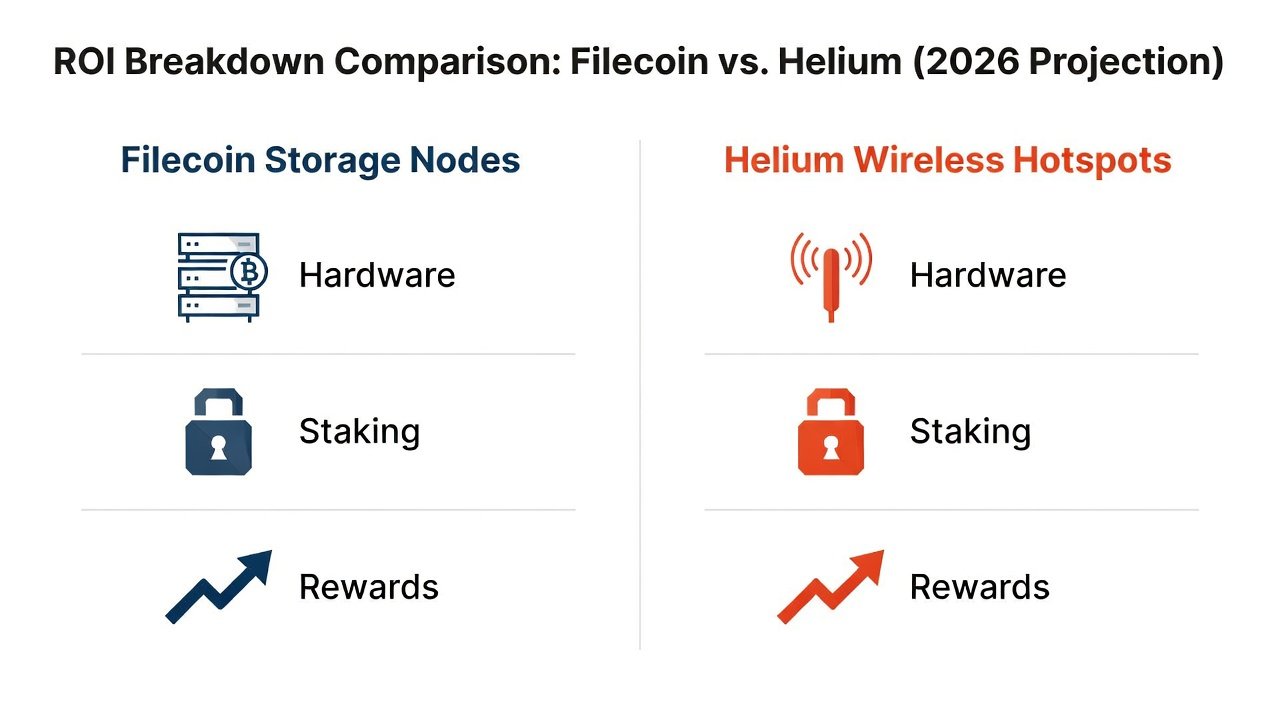
Across categories, hardware ranges from compact wireless devices to robust server racks and energy equipment. Staking thresholds vary by project to deter malicious behavior. Reward models blend inflationary issuance with usage-based distributions, leading to different break-even timelines. Wireless setups may favor lower entry barriers, while storage demands ongoing maintenance for data integrity. Energy nodes add complexity through physical infrastructure and grid compliance.
Comparative analysis shows trade-offs between upfront capital and operational simplicity. For instance, wireless nodes typically require minimal daily oversight once configured, whereas storage and energy deployments benefit from regular performance audits. Investors often build diversified node portfolios to balance these variables across multiple networks.
Step-by-Step Node Deployment Checklist
- Research network requirements and tokenomics documentation thoroughly, including any recent protocol updates that could affect reward calculations.
- Select compatible hardware meeting minimum specifications and verify vendor support for long-term firmware updates.
- Secure a reliable internet connection and power source with backup options to maintain high uptime percentages.
- Complete wallet setup and any required staking transactions using official network interfaces to avoid compatibility issues.
- Install official software and configure node parameters according to best-practice guidelines provided in project documentation.
- Monitor performance dashboards for uptime and rewards, setting up alerts for anomalies or drops in activity.
- Implement security measures like firewalls and regular updates while maintaining detailed logs for troubleshooting and tax purposes.
Following this sequence reduces setup errors and accelerates time to first rewards. Many successful operators also join community forums to share configuration tips and troubleshoot common issues collaboratively.
Building a Beginner-Friendly ROI Calculator Framework
An effective framework starts with inputs for hardware cost, expected uptime, network fees, and token price assumptions. Calculate monthly rewards using historical averages, then subtract ongoing expenses like electricity. Sensitivity analysis accounts for volatility by modeling multiple scenarios, such as conservative, base, and optimistic token performance trajectories.
Users can extend this with compounding calculations if rewards are restaked. Track metrics over 30-day periods to refine projections based on actual network data. This approach provides actionable insights without relying on optimistic assumptions alone. Incorporating case examples from existing operators helps calibrate the framework for different verticals, ensuring more realistic expectations around timelines and variability.
Risk Factors: Regulation, Volatility, and Mitigation
Regulatory uncertainty around token classification and infrastructure deployment poses ongoing challenges across jurisdictions. Volatility in token values directly impacts realized ROI, requiring diversified portfolios and careful position sizing. Network-specific risks include congestion or protocol changes that alter reward schedules, potentially affecting long-term viability.
Mitigation strategies involve thorough due diligence, using stablecoin pairs where possible, and staying informed via official channels. Helium and similar projects publish regular updates to guide operators. Additional resources from established financial oversight bodies can provide context on evolving compliance requirements.
Common Mistakes to Avoid in DePIN Operations
New operators frequently underestimate ongoing maintenance needs or select locations without sufficient demand analysis. Overlooking hardware compatibility or ignoring software update schedules can lead to extended downtime and lost rewards. Another frequent issue involves failing to diversify across multiple networks, concentrating risk in a single project’s performance.
Successful participants mitigate these by conducting site surveys, testing configurations in staging environments, and reviewing community-reported outcomes before full commitment. Learning from underperforming deployments helps refine strategies over successive node additions.
Future Outlook for DePIN Node Economics
As DePIN ecosystems mature through 2026 and beyond, integration with emerging technologies such as improved IoT standards and renewable energy solutions is expected to expand opportunities. Token models may evolve to incorporate more usage-driven rewards, favoring operators who actively optimize their contributions. Investors who stay engaged with protocol governance and adapt to these shifts position themselves for sustained participation.
FAQs on Tax Reporting and Network Selection
How should DePIN node rewards be reported for taxes?
Consult local tax authorities, as rewards are typically treated as income at fair market value upon receipt. Maintain detailed records of earnings and expenses for accurate filing, including timestamps and network transaction details. Professional advice from a tax specialist familiar with digital assets is recommended for complex setups.
What criteria guide network selection?
Prioritize projects with proven utility, transparent tokenomics, active developer communities, and realistic hardware demands. Evaluate long-term sustainability over short-term hype by reviewing on-chain metrics and governance participation rates.
Are there common pitfalls for new operators?
Overlooking maintenance costs or choosing oversaturated locations often leads to disappointing returns. Always verify compatibility before purchasing equipment and consider starting with a single node to gain operational experience.
How do regulatory changes affect DePIN nodes?
Shifts in policy can impact token usability and infrastructure permissions. Monitoring updates from relevant government agencies helps operators adjust strategies proactively and remain compliant.
Conclusion
DePIN node economics in 2026 reward informed participants who balance opportunity with prudent risk management. By applying structured analysis and following deployment best practices, investors can pursue passive income across wireless, storage, and energy verticals effectively while building resilient portfolios for the evolving decentralized infrastructure landscape.

No comments yet. Be the first!