 CryptoChain Blog
Introduction to DePIN Networks in 2026
Decentralized Physical Infrastructure Networks (DePIN) have evolved significantly by 2026, offering crypto enthusiasts practical ways to earn passive income through node operations. This comprehensive guide provides detailed setups, real-world reward calculations, and ROI benchmarks for wireless, storage, and compute networks like Helium, Render, and Akash. DePIN projects allow individuals to contribute physical resources such as connectivity, processing power, or storage in exchange for token rewards. Whether you're a beginner seeking actionable income strategies or an experienced operator scaling your setup, understanding these elements helps maximize returns while navigating tokenomics, US/EU regulations, and security best practices. The 2026 landscape includes fresh updates on network growth, with many projects shifting incentives toward long-term sustainability and integration with emerging technologies like AI and renewable energy grids.
Understanding DePIN Tokenomics and 2026 Updates
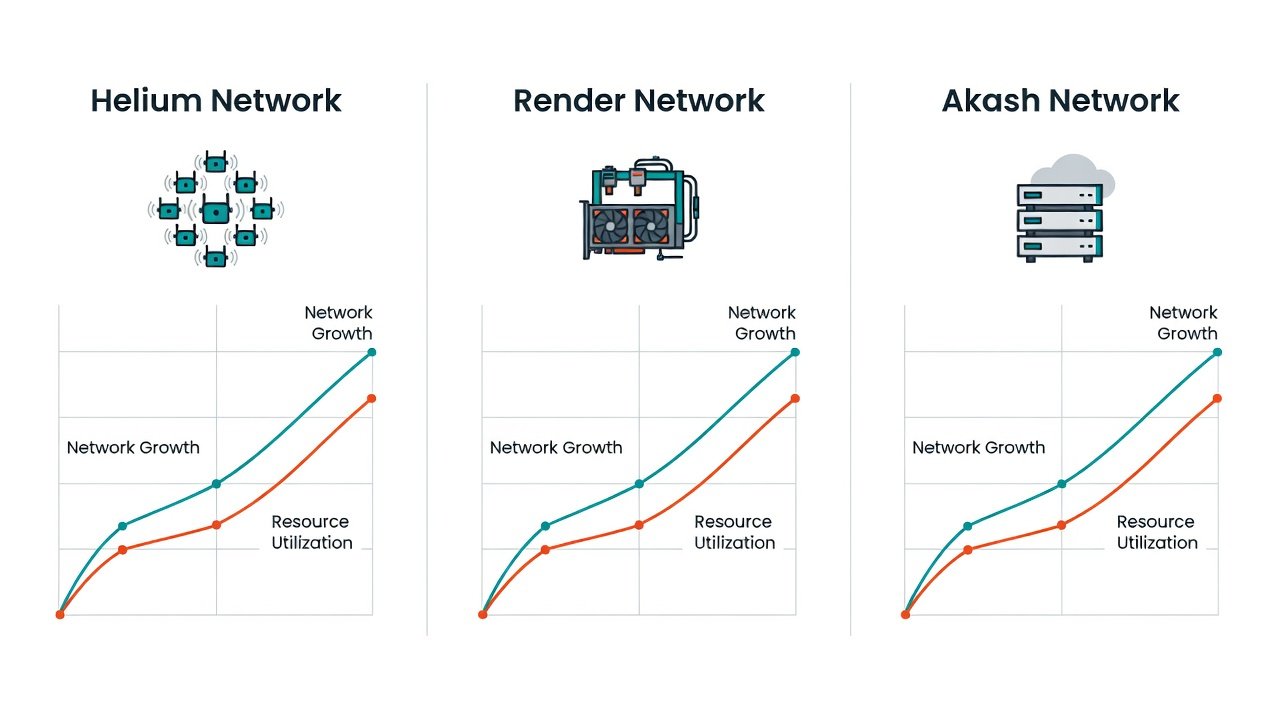
DePIN projects reward participants with native tokens for contributing hardware resources. In 2026, network growth has shifted incentives toward sustainable models, with increased focus on energy efficiency and regulatory alignment. Token distribution now emphasizes long-term staking over short-term mining spikes to reduce volatility. For example, Helium's token model incorporates proof-of-coverage mechanisms that reward consistent signal provision. Render adjusts payouts based on job complexity and GPU utilization rates. Akash uses a marketplace bidding system where providers compete on price and performance. These updates reflect broader adoption, with total DePIN market capitalization growing steadily amid rising interest in decentralized alternatives to traditional infrastructure. Operators should monitor on-chain metrics for shifts in reward pools, as 2026 has seen several networks introduce tiered incentives for high-uptime nodes.
Step-by-Step Setup for Helium Wireless Nodes
Setting up a Helium node requires compatible hardware like the latest 5G hotspots certified for the network. Begin by purchasing equipment from authorized vendors to ensure compatibility. Install the Helium app on your mobile device, connect the hotspot via Ethernet for stability, and complete the onboarding process on the blockchain by asserting your location. Software configuration involves updating firmware to the 2026 version through the app dashboard and linking your crypto wallet for seamless reward collection. Practical examples include positioning antennas at optimal heights for better coverage in urban areas. Maintenance includes regular checks for signal strength using built-in diagnostics, applying firmware patches promptly, and monitoring for interference from nearby devices. Beginners should start with indoor units before expanding to outdoor deployments, and always verify local regulations on radio frequency emissions before installation. Additional tips involve joining community forums for real-time troubleshooting and tracking daily data transfer metrics to optimize placement.
Render Network GPU Node Deployment
Render focuses on decentralized rendering services, ideal for those with graphics processing capabilities. Hardware needs include a high-end NVIDIA GPU rig with at least 12GB VRAM, sufficient cooling systems, and reliable internet connectivity. Download the Render client software from the official platform, create an account, and stake RNDR tokens to activate the node. Configuration steps cover setting render job preferences such as priority levels for AI-enhanced tasks, monitoring performance via the real-time dashboard, and adjusting power settings for efficiency. In 2026, integration with AI workloads has boosted demand, leading to more consistent payouts for active nodes. Operators can expect varied job queues, from 3D animations to machine learning model training. A practical example involves running continuous benchmarks to ensure your hardware meets minimum performance thresholds, preventing missed opportunities. Expand your setup gradually by adding multiple GPUs once initial ROI stabilizes.
Akash Decentralized Compute Setup Guide
Akash enables peer-to-peer cloud hosting, making it suitable for server owners. Required hardware is a server with multi-core CPU, ample RAM, and fast SSD storage. Install Ubuntu Linux as the base operating system, then deploy the Akash node software using Docker containers for isolated environments. Configure your provider profile with details on available resources, set competitive pricing tiers based on market rates, and connect to the Akash marketplace to start receiving lease requests. Software updates in 2026 emphasize automated bidding for leases and enhanced security features like encrypted communications. This setup suits those with existing server infrastructure looking for additional yields. Step-by-step, first test your node with small leases, monitor resource usage through logs, and scale by adding storage capacity as demand grows. Examples from operators show success in targeting niche workloads like web hosting for decentralized apps.
ROI Benchmarks and Comparison Tables
Current yields vary by network utilization, hardware efficiency, and regional factors. As of 2026-11-14, Helium nodes average 8-12% annual ROI on mid-tier hardware, Render delivers 15-20% for optimized GPU setups, and Akash offers 10-18% depending on lease demand and uptime. These figures account for typical electricity and maintenance variables but should be verified against live dashboards since markets fluctuate. Use this expanded comparison for planning your investments:
| Network | Avg. Monthly Yield (Tokens) | Est. ROI (as of 2026-11-14) | Break-even Period | Key Variables |
|---|---|---|---|---|
| Helium | 150-250 HNT | 8-12% | 12-18 months | Antenna placement, coverage density |
| Render | 200-400 RNDR | 15-20% | 8-14 months | GPU utilization, job type |
| Akash | 300-500 AKT | 10-18% | 10-16 months | Lease competition, resource specs |
Additional analysis shows that combining multiple networks can diversify risk and smooth out income streams, with some operators reporting combined yields exceeding single-network averages when hardware is shared efficiently.
US and EU Regulatory Considerations
Operating DePIN nodes requires awareness of securities laws and tax obligations. In the US, the SEC treats certain tokens as potential securities, so consult legal experts for KYC compliance and proper reporting of rewards as income. EU operators must align with MiCA regulations on crypto-asset service providers, including transparency requirements for node operations. Always report earnings accurately to avoid penalties, and consider forming a legal entity if scaling significantly. Resources from official government sites provide guidance on tax treatment of node rewards, emphasizing the importance of record-keeping for hardware purchases and token transactions. Staying updated on policy changes in 2026 is crucial, as new frameworks may impact cross-border operations.
Security Best Practices for Node Operators
Protect your setup with hardware wallets, two-factor authentication, and regular security audits. Avoid public Wi-Fi for node management and use VPNs for all connections. Monitor for DDoS attempts common in 2026 DePIN ecosystems by implementing firewall rules and rate limiting. Backup configurations offline and enable automatic updates where available. Case studies show operators losing funds due to weak passwords or unpatched vulnerabilities, underscoring the need for vigilance. Additional practices include using isolated networks for sensitive operations, conducting periodic penetration tests, and educating yourself on phishing risks targeting crypto node runners. Implementing multi-signature wallets adds an extra layer of protection for reward withdrawals.
Beginner Checklists and Common Pitfalls
- Verify hardware compatibility before purchase through official lists
- Calculate electricity costs against projected yields using local rates
- Research local zoning for wireless deployments and obtain permits if needed
- Start small to test ROI before scaling to multiple nodes
- Track maintenance expenses monthly including parts and downtime
- Join official Discord or forums for community support and updates
- Review token vesting schedules to plan liquidity needs
FAQs address issues like compliance filings, unexpected downtime costs, and hardware failure recovery. Common pitfalls include ignoring firmware updates leading to missed rewards or failing to diversify across regions for better coverage stability. Avoid over-leveraging by diversifying across networks and maintaining detailed logs for tax purposes.
Real-World Case Studies from Active Operators
One US-based operator running three Helium nodes reported consistent rewards after optimizing antenna placement in early 2026, achieving above-average coverage scores through strategic rural positioning. A European Render user achieved higher yields by upgrading to newer GPUs mid-year and focusing on high-demand AI rendering jobs, resulting in steady token accumulation. Akash providers highlight the importance of competitive pricing in attracting long-term leases, with one case study detailing a 20% increase in utilization after refining bid strategies. These examples demonstrate actionable strategies for sustainable income, including starting with rented hardware tests and gradually transitioning to owned equipment.
Future Outlook and Mistakes to Avoid
Looking ahead, 2026 DePIN networks are expected to incorporate more energy-focused projects alongside wireless and compute options, potentially increasing overall opportunities. Mistakes to avoid include underestimating ongoing costs like internet bandwidth or neglecting software compatibility checks during updates. Always cross-reference multiple data sources for ROI projections and consider environmental impact for long-term viability. By following these setups, monitoring ROI, and adhering to regulations, beginners can build profitable operations.
Conclusion
DePIN nodes present viable income opportunities in 2026 when approached methodically with thorough planning. By following these setups, monitoring ROI, and adhering to regulations, beginners can build profitable operations. Always verify latest network stats and consult professionals for personalized advice tailored to your location and resources.

No comments yet. Be the first!