 CryptoChain Blog

Introduction to DePIN Storage Nodes in 2026
Decentralized physical infrastructure networks (DePIN) have emerged as a compelling way for crypto investors to generate passive income through storage nodes. In 2026, Filecoin and Arweave stand out as leading projects in this space, each offering unique approaches to decentralized data storage. This article provides a practical ROI comparison focused on real-world earnings potential, tokenomics, and setup considerations for those exploring blockchain-based income strategies.
Investors seeking actionable strategies will find step-by-step guidance, risk analysis, and benchmark insights drawn from recent operator reports. Understanding the differences between these networks is essential before committing capital to hardware and operations. The growing demand for decentralized storage solutions continues to drive interest in both platforms, making informed comparisons critical for maximizing returns while managing exposure.
Overview of Filecoin Storage Nodes
Filecoin operates as a marketplace for storage where providers earn tokens by offering disk space and bandwidth. Nodes must meet strict uptime and retrieval requirements to qualify for rewards. The network's proof-of-replication and proof-of-spacetime mechanisms ensure data integrity while distributing incentives across a global network of participants.
Tokenomics updates in recent cycles have emphasized long-term sustainability, with adjustments to block rewards and deal-making parameters. Operators benefit from both storage deals and retrieval fees, creating multiple revenue streams that can adapt to changing market conditions. This flexibility allows experienced node runners to optimize their setups for higher throughput during periods of increased demand.
Overview of Arweave Storage Nodes
Arweave focuses on permanent data storage through a one-time payment model, where miners store data indefinitely. The network uses a unique blockweave structure and proof-of-access to verify storage. This design prioritizes archival permanence over frequent retrievals, appealing to users who require reliable long-term data preservation.
Recent tokenomics refinements have introduced mechanisms to balance miner incentives with data availability, supporting steady yields for committed operators. Arweave's emphasis on permanence appeals to users needing long-term data archiving solutions, differentiating it from more transactional storage networks. The model's simplicity can reduce operational overhead for those prioritizing stability over active deal management.
Hardware Costs and Setup Requirements
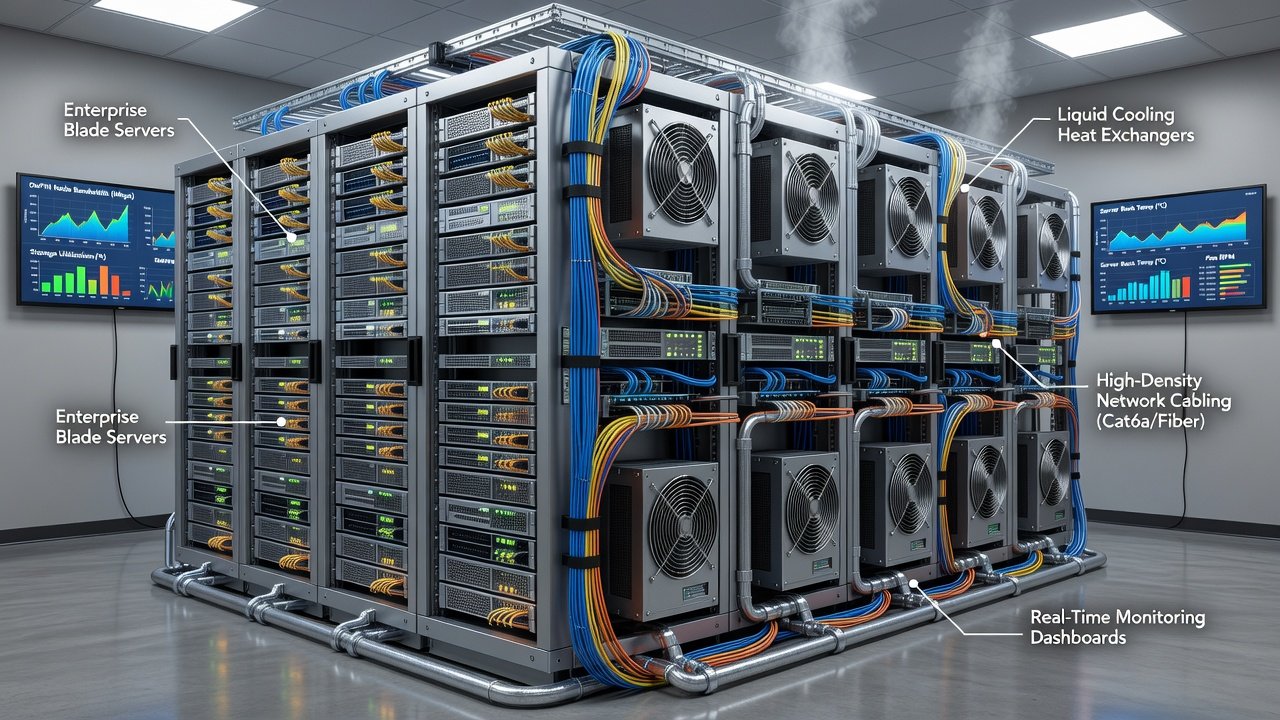
Both networks require reliable hardware, though specifications differ. Filecoin nodes typically demand higher storage capacity and robust internet connections to handle active deal traffic. Arweave setups prioritize consistent uptime with moderate storage needs focused on archival blocks. Prospective operators should evaluate power consumption, cooling, and redundancy when planning deployments.
Entry-level configurations involve enterprise-grade drives and servers, while scaling requires investment in bandwidth and monitoring tools. Always source components from reputable vendors to minimize downtime risks. Practical examples include starting with redundant array configurations for data protection and incorporating remote management software to oversee multiple nodes efficiently. Location also plays a role, as regions with lower energy rates or better connectivity can improve overall performance margins.
Reward Formulas and Yield Calculations
Filecoin rewards combine storage power, deal volume, and network participation. A basic calculation starts with estimating daily storage contributions multiplied by current reward rates, then subtracting operational expenses. Step-by-step: assess available disk space, factor in sector sealing costs, project retrieval fees, and apply token price assumptions for fiat conversion. Operators often run simulations using historical network data to refine projections before hardware purchases.
Arweave yields derive from endowment-style distributions tied to data permanence. Operators calculate returns by projecting long-term storage commitments against token emissions. Practical examples involve modeling multi-year horizons to account for the one-time fee structure, allowing for clearer visibility into cumulative earnings over time. Both approaches benefit from regular reviews of network parameters to adjust strategies dynamically.
Tokenomics Updates and Their Impact
Tokenomics changes in 2026 have influenced reward distribution for both platforms. Filecoin has seen refinements aimed at encouraging sustained storage commitments rather than short-term participation. These adjustments can affect how new operators plan their entry points and scaling timelines. Arweave has focused on mechanisms that support consistent data availability, which helps maintain yield predictability for long-term holders.
Understanding these updates allows investors to anticipate shifts in earning potential. Comparing emission schedules and vesting rules provides additional context for ROI modeling. Staying updated through official channels ensures strategies remain aligned with evolving network economics.
Real Yield Examples and Benchmark Tables
Recent operator benchmarks highlight variability based on scale and location. Mid-sized Filecoin setups have shown competitive returns when optimized for high-demand regions, while Arweave nodes demonstrate stability in lower-maintenance environments. Tables from community reports typically compare uptime percentages, average daily rewards, and net margins after electricity.
| Network | Typical Uptime | Yield Focus | Key Variable |
|---|---|---|---|
| Filecoin | 95%+ | Deal volume | Bandwidth |
| Arweave | 98%+ | Permanence | Storage commitment |
- Filecoin: Focus on active deal negotiation for higher throughput
- Arweave: Emphasize consistent blockweave participation
- Cross-network: Monitor token volatility for accurate ROI tracking
Risk Factors to Consider
Key risks include hardware failure, network congestion, token price fluctuations, and regulatory shifts. Operators must plan for maintenance reserves and diversify across multiple nodes. Energy costs and internet reliability can significantly impact net yields, especially in high-usage scenarios. Additional considerations involve potential changes in consensus rules that could alter reward structures unexpectedly.
Geographic factors such as local regulations on data centers and environmental conditions affecting cooling efficiency also warrant attention. Building contingency plans for downtime events helps protect long-term returns. Regular audits of node performance provide early warning signs for issues that might erode profitability.
US and EU Regulatory Notes
In the US, DePIN operators should review SEC guidance on utility tokens and potential tax implications for earnings. EU frameworks emphasize data protection under GDPR, requiring careful handling of stored information. Compliance with local energy regulations and licensing may also apply depending on scale. Operators in both regions benefit from consulting specialized legal resources to address jurisdiction-specific requirements.
Resources such as official SEC publications and project documentation from Filecoin and Arweave offer foundational information. Proactive compliance reduces the likelihood of operational disruptions and supports sustainable participation in these networks.
Beginner-Friendly FAQ on Setup Choices
Which network suits beginners?
Filecoin offers more active earning opportunities but requires ongoing management. Arweave provides simpler long-term storage with less daily intervention, making it accessible for those new to node operation.
What initial steps are recommended?
Research current documentation and start with small test nodes before scaling hardware investments. Testing connectivity and performance in a controlled environment helps identify potential issues early.
How do I calculate personal ROI?
Use spreadsheets to model hardware amortization, energy use, and projected rewards over 12-24 months, incorporating variables like uptime and network fees.
What common mistakes should be avoided?
Overestimating yields without accounting for maintenance or underestimating bandwidth needs can lead to disappointing results. Diversification across networks often mitigates single-point risks.
Are there community resources available?
Active forums and official developer channels provide peer insights and troubleshooting support for new operators navigating initial setups.
Conclusion
Choosing between Filecoin and Arweave for 2026 DePIN storage nodes depends on risk tolerance, technical comfort, and yield expectations. Both networks present viable paths for crypto investors when approached with thorough planning and ongoing monitoring. Review official project sites and community benchmarks regularly to refine strategies and adapt to market developments. A measured approach that balances potential rewards with operational realities positions participants for more sustainable outcomes in the evolving DePIN landscape.

No comments yet. Be the first!