 CryptoChain Blog
Introduction: The Convergence Reshaping Crypto in 2026
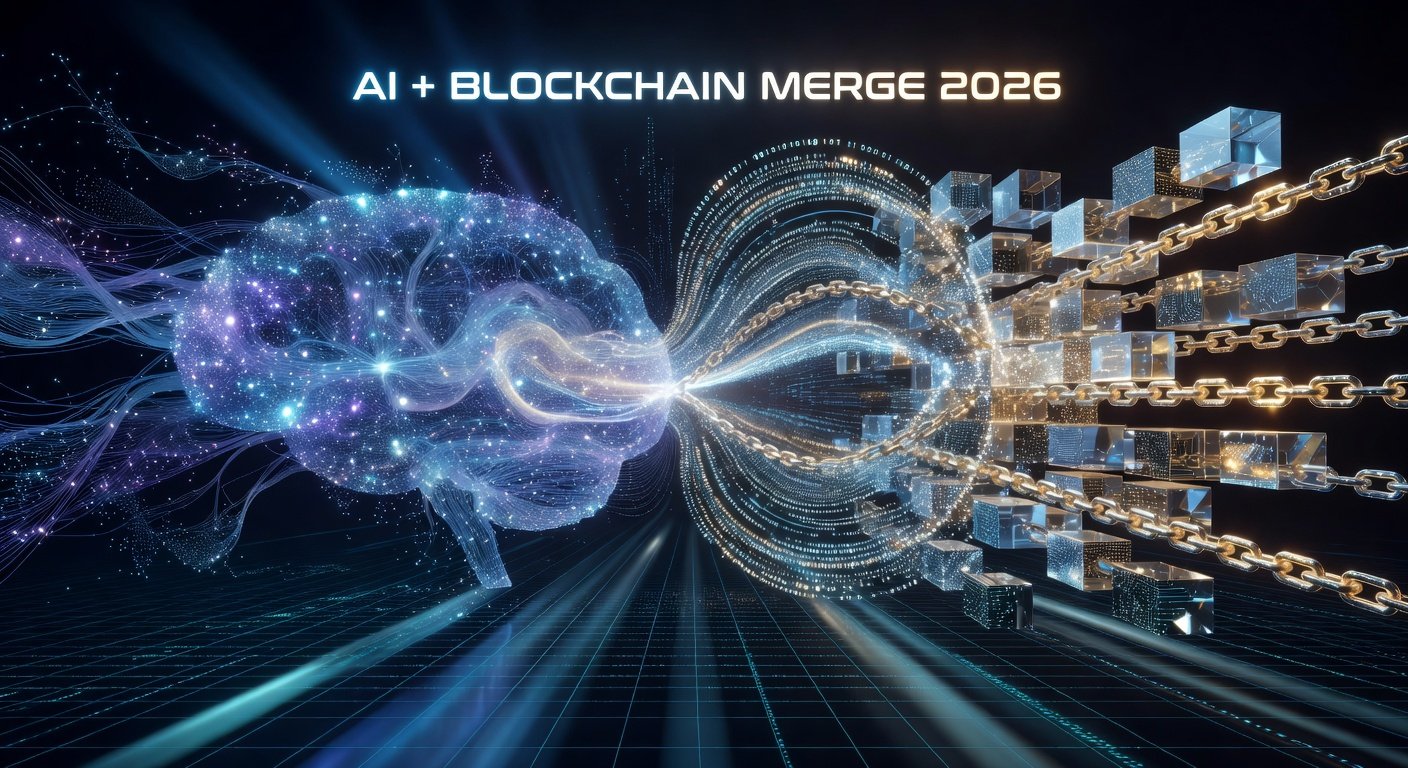
The fusion of artificial intelligence and blockchain technology is driving unprecedented innovation in the cryptocurrency space. In 2026, this AI-blockchain boom is not just theoretical—it is delivering real-world applications that enhance decentralization, automation, and intelligence across ecosystems. Developers, investors, and enthusiasts are closely tracking these developments as they promise to transform DeFi, predictive analytics, and compute infrastructure. The integration allows for smarter contracts that can learn from data patterns, decentralized training of machine learning models without relying on big tech servers, and more efficient resource allocation for complex computations. This article provides an in-depth exploration of the major breakthroughs, real-world case studies from recent launches, and actionable strategies that define the current landscape, helping readers understand both the opportunities and the challenges ahead.
The Rise of AI-Blockchain Integration in 2026
Throughout 2026, the crypto ecosystem has witnessed a surge in projects that combine AI's analytical power with blockchain's immutable and distributed nature. This synergy addresses longstanding issues such as data silos in traditional AI systems and the lack of transparency in centralized machine learning processes. By distributing AI workloads across global nodes, these integrations promote greater resilience against single points of failure. For instance, AI models can now operate on-chain or through oracle networks that feed verified data into smart contracts, enabling automated decisions based on predictive insights rather than static rules. This evolution has attracted significant attention from both Web3 developers seeking to build next-generation applications and institutional investors looking for sustainable growth areas beyond basic token trading.
Spotlight on Breakthrough Projects and Partnerships
Several flagship initiatives stand at the forefront of this movement. Bittensor enables decentralized AI model training through a peer-to-peer network where participants earn rewards for contributing intelligence. Chainlink has expanded its oracle services with advanced AI capabilities, improving data accuracy for smart contracts. Meanwhile, Render’s compute network leverages distributed GPU resources to support AI workloads at scale. Partnerships between these projects and established DeFi platforms have accelerated adoption, creating ecosystems where AI enhances everything from liquidity provision to fraud detection.
Decentralized AI Models on Bittensor
Bittensor’s subnet architecture allows specialized AI tasks to run without central control. In 2026, new subnets focused on language models and image generation have attracted thousands of miners, boosting network intelligence and token utility. Miners compete to provide the most accurate responses to queries, with the network using a unique incentive mechanism to reward high-quality contributions. This approach democratizes access to powerful AI tools, allowing smaller teams to participate in model development that was previously dominated by large corporations with massive data centers.
Oracle Enhancements by Chainlink AI
Chainlink’s AI-augmented oracles now deliver real-time predictive data feeds. This reduces latency in DeFi protocols and enables more sophisticated automated trading strategies. By incorporating machine learning algorithms into their data verification processes, these oracles can detect anomalies and forecast market trends with improved precision, making them invaluable for protocols that rely on external information for liquidation events or yield calculations. Chainlink continues to expand its ecosystem through collaborations that integrate AI directly into cross-chain communications.
Compute Networks Like Render
Render continues to grow its decentralized GPU marketplace, directly supporting AI training and rendering tasks that were previously dominated by centralized cloud providers. Users can rent out idle graphics processing power to support intensive AI computations, receiving compensation in tokens. This model not only lowers costs for AI developers but also creates a more equitable distribution of compute resources across the globe, fostering innovation in areas like generative art and real-time simulation.

Benefits for DeFi Automation and Predictive Analytics
Integrating AI with blockchain unlocks powerful advantages for the decentralized finance sector. Smart contracts can now adapt dynamically using on-chain AI predictions, improving yield optimization and risk management. For example, automated market makers can adjust fees based on predicted volatility rather than fixed parameters, leading to more efficient capital allocation. Predictive analytics powered by decentralized models help investors anticipate market movements with greater accuracy while maintaining transparency. In lending protocols, AI-driven credit assessments can evaluate borrower behavior across multiple chains without compromising privacy, reducing default rates and expanding access to undercollateralized loans. These benefits extend to predictive maintenance in supply chain applications built on blockchain, where AI forecasts equipment failures and triggers automated responses through smart contracts.
Real-World Case Studies of 2026 Launches
One notable launch involved a DeFi platform integrating Bittensor subnets for credit scoring, resulting in faster loan approvals and lower operational overhead. Another partnership between Chainlink and a major lending protocol delivered AI-driven liquidation alerts that improved protocol stability during volatile periods. Render’s network powered an NFT generation project that scaled to millions of unique assets without traditional cloud costs, demonstrating how distributed compute can handle creative workloads at enterprise levels. These case studies highlight practical implementations where AI-blockchain solutions have moved from proof-of-concept to production environments, delivering measurable improvements in speed, cost, and user experience.
Step-by-Step Guide to Staking in AI Tokens
Staking AI-related tokens can provide both yields and governance rights. Follow these detailed steps for a secure experience:
- Choose a reputable wallet supporting the target token, such as MetaMask for Ethereum-based assets or a dedicated hardware wallet for enhanced security.
- Acquire tokens on a major exchange after researching liquidity and trading pairs, then transfer them to your personal wallet address.
- Navigate to the official staking dashboard of the project, ensuring you verify the URL to avoid phishing sites.
- Connect your wallet, review the available pools or validators, and select one based on factors like commission rates and historical performance.
- Enter the amount to stake, confirm the transaction details including gas fees, and approve the smart contract interaction.
- Monitor rewards through the dashboard interface, claim them at regular intervals, and consider restaking to compound returns over time.
Always verify contract addresses from official sources, enable two-factor authentication on all accounts, and start with small amounts to test the process before committing larger holdings. Understanding the lock-up periods and slashing conditions is essential to avoid unexpected losses.
Project Comparisons by TVL and Adoption
When evaluating opportunities, total value locked (TVL) and user adoption metrics offer valuable benchmarks for decision-making. Bittensor has seen rapid TVL growth due to its unique incentive model that directly ties rewards to AI output quality. Chainlink maintains strong adoption through its established oracle infrastructure, with widespread integration across hundreds of decentralized applications. Render excels in compute utilization rates, attracting developers focused on resource-intensive tasks. Comparing these factors side by side helps investors identify projects with sustainable momentum versus those reliant on short-term hype. Adoption can also be measured through active node counts, developer activity on GitHub repositories, and partnership announcements that signal long-term viability.
FAQs on Risks Like Centralization and Other Concerns
What are the main risks associated with these integrations? Centralization remains a concern if a few large participants dominate AI training or oracle services. Mitigation strategies include participating in diverse subnets and monitoring network decentralization metrics regularly.
How can users protect themselves from potential pitfalls? Diversify across multiple projects, stay informed via official documentation and community channels, and avoid over-allocating capital to any single token or protocol.
Are there regulatory considerations for AI-blockchain projects? Evolving global regulations around AI and crypto require ongoing vigilance, particularly for cross-border data flows and compliance with emerging AI governance frameworks.
What technical challenges might developers face? Issues such as interoperability between different AI subnets and ensuring data privacy on public ledgers often require custom solutions and thorough testing before deployment.
How do market conditions affect these projects? Broader crypto market volatility can impact token prices and staking rewards, making it important to assess long-term fundamentals rather than short-term price movements.
Conclusion
The AI-blockchain boom of 2026 represents a pivotal shift toward more intelligent, autonomous, and decentralized systems. By understanding the leading projects, following practical guides, and weighing risks carefully, participants can position themselves effectively in this rapidly evolving space. Continued innovation in this intersection promises even greater breakthroughs ahead for developers building advanced applications and investors seeking diversified exposure in the crypto markets.

No comments yet. Be the first!