 CryptoChain Blog
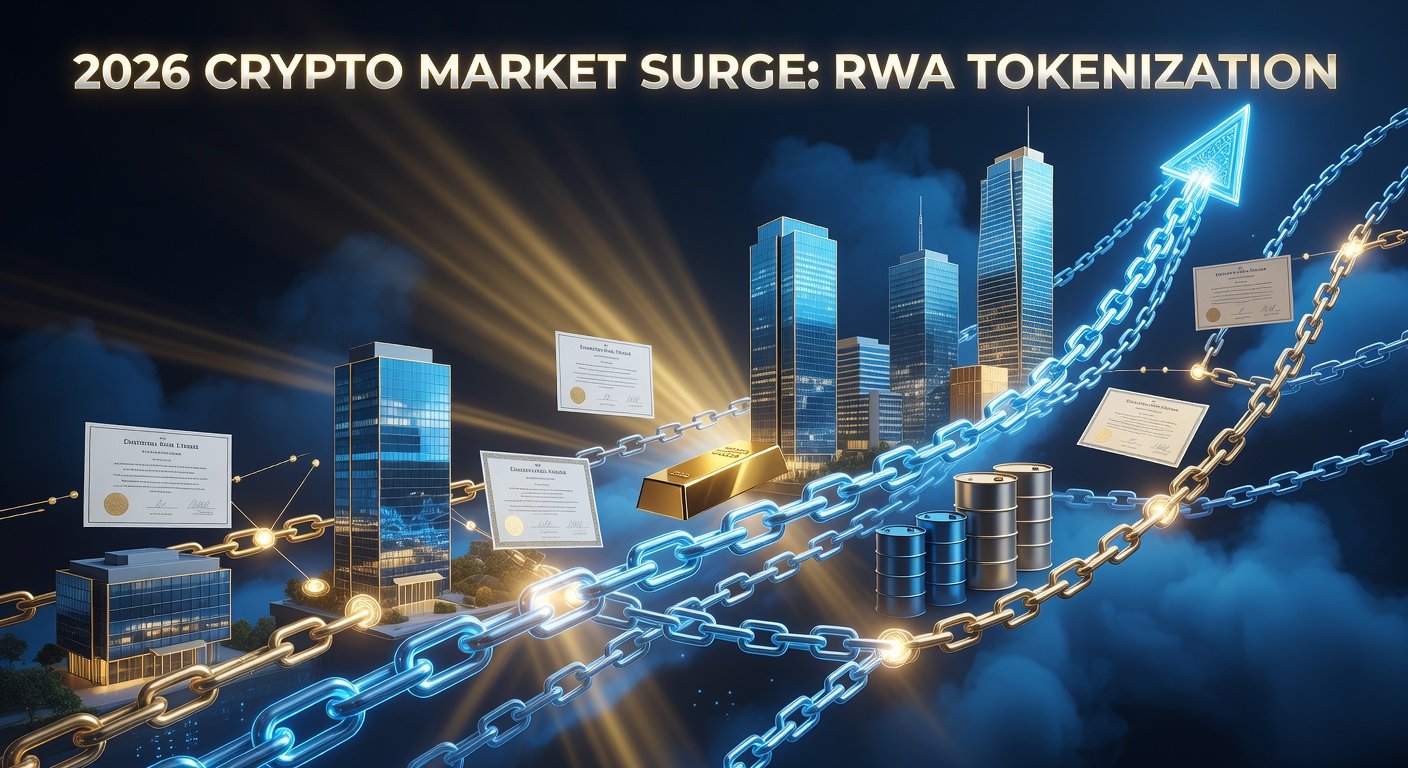
Introduction to the 2026 RWA Tokenization Boom
The cryptocurrency landscape in 2026 has witnessed an unprecedented surge in Real World Asset (RWA) tokenization, transforming how traditional assets like real estate, government treasuries, and commodities are accessed and traded on blockchain networks. This development bridges the gap between conventional finance and decentralized systems, offering greater liquidity and transparency. As institutional players increasingly participate, RWA tokenization is reshaping DeFi and global markets.
With platforms such as Ondo and Centrifuge leading the charge, the sector has seen substantial deal flows. This article breaks down the key drivers, analyzes prominent transactions, and examines broader implications for investors and the ecosystem.
Understanding RWA Tokenization
RWA tokenization involves converting ownership rights of physical or financial assets into digital tokens on a blockchain. This process leverages smart contracts to fractionalize assets, enabling partial ownership and seamless transfers without intermediaries.
Benefits include enhanced liquidity for illiquid assets, reduced settlement times, and improved compliance through programmable rules. In 2026, regulatory clarity from bodies like the SEC has accelerated adoption, allowing for compliant issuance and trading.
Leading Platforms Driving Growth: Ondo and Centrifuge
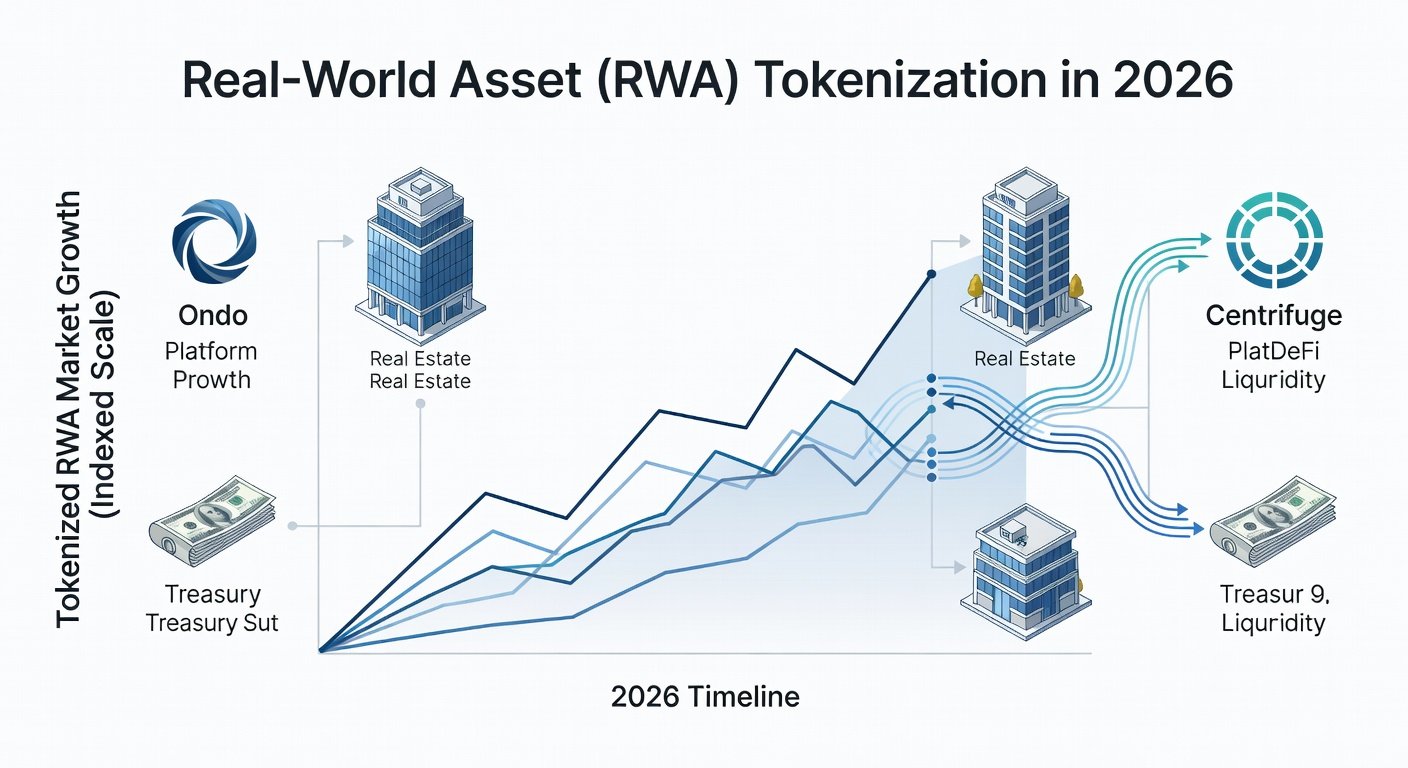
Ondo has emerged as a frontrunner in tokenized treasuries, facilitating on-chain access to U.S. government securities. Its infrastructure supports yield-bearing products that appeal to both retail and institutional users seeking stable returns in volatile crypto environments.
Centrifuge specializes in real-world financing, tokenizing invoices and real estate to unlock capital for businesses. By integrating with public blockchains, it enables DeFi protocols to incorporate RWAs, fostering hybrid financial models.
These platforms demonstrate practical applications: Ondo focuses on treasuries for stability, while Centrifuge targets operational assets like commodities and property for broader utility.
Major Deals in Real Estate, Treasuries, and Commodities
Significant transactions have fueled the 2026 surge. In real estate, tokenized property deals have allowed investors to own fractions of commercial buildings across multiple cities. Treasury tokenization has seen large-scale issuances backed by short-term government debt, providing low-risk entry points.
Commodities such as gold and oil have also been tokenized, with deals enabling direct blockchain trading and collateral use in DeFi lending pools. These examples highlight how RWAs diversify portfolios beyond volatile cryptocurrencies.
Impacts on DeFi Liquidity and Institutional Adoption
The influx of RWAs has dramatically boosted DeFi liquidity by introducing stable, yield-generating assets into protocols. This reduces reliance on crypto-native tokens and attracts traditional capital, leading to deeper markets and lower volatility.
Institutional adoption has accelerated as banks and funds recognize the efficiency gains. Tokenized assets offer 24/7 trading, automated compliance, and transparent auditing—features that align with fiduciary responsibilities.
Practical Steps for Investors
- Research compliant platforms like Ondo for treasury exposure.
- Evaluate token standards and custody solutions for security.
- Monitor regulatory updates from official sources to ensure alignment.
- Start with small allocations to test liquidity and yields.
Key Considerations and Mistakes to Avoid
Investors should prioritize platforms with strong security audits and clear legal frameworks. Common pitfalls include overlooking custody risks or ignoring tax implications of tokenized ownership. Diversification across asset types mitigates concentration risks.
Conclusion
The RWA tokenization surge in 2026 marks a pivotal shift toward mainstream blockchain integration. With continued innovation from Ondo, Centrifuge, and others, the sector promises sustained growth, enhanced DeFi ecosystems, and broader institutional participation. Staying informed positions participants to capitalize on this evolution.

No comments yet. Be the first!