 CryptoChain Blog
Introduction to Blockchain Oracle Networks in 2026
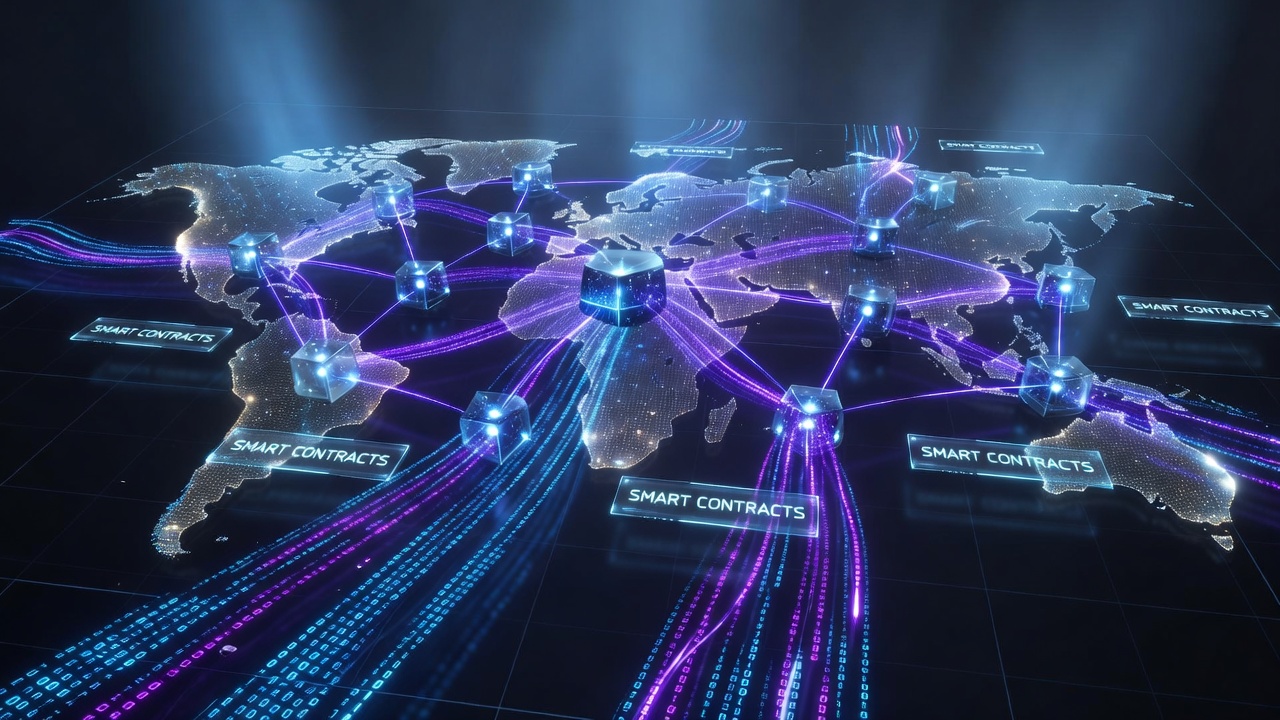
Blockchain oracle networks serve as critical bridges between on-chain smart contracts and off-chain data sources. In 2026, rising crypto adoption has amplified their importance, enabling reliable external information feeds for decentralized applications across finance, logistics, and beyond. These systems address the fundamental limitation of blockchains operating in isolated environments by delivering accurate, tamper-resistant data from the real world. Without oracles, smart contracts would remain limited to on-chain data only, restricting their utility in dynamic environments where external events like price fluctuations, weather conditions, or shipment statuses matter.
Oracle networks have evolved significantly over the past year, incorporating advanced consensus mechanisms, AI-driven validation, and cross-chain compatibility layers. This evolution supports increasing transaction volumes in sectors such as decentralized finance, supply chain management, and blockchain-based gaming. As adoption grows, the demand for robust, scalable oracle solutions continues to rise, making 2026 a pivotal year for innovation in this space.
How Oracle Networks Function: Core Mechanisms Explained
At their core, oracle networks aggregate data from multiple external sources, validate it through decentralized consensus, and deliver it to smart contracts in a verifiable format. This process typically involves data providers submitting information, nodes reaching agreement via reputation systems or staking mechanisms, and cryptographic proofs ensuring integrity. In 2026, many networks employ hybrid models combining on-chain and off-chain computation to reduce latency while maintaining security.
Developers benefit from these mechanisms because they enable conditional logic in contracts based on real-time events. For instance, a lending protocol can automatically adjust interest rates when an oracle reports a significant change in asset prices. Understanding these technical foundations helps teams design more resilient applications that withstand network congestion or adversarial attacks.
Leading Providers: Chainlink vs Emerging Alternatives
Chainlink remains the dominant player with its decentralized oracle network supporting thousands of integrations worldwide. Its price feeds, verifiable random functions, and proof-of-reserve capabilities power major protocols in DeFi and beyond. The network's multi-layer aggregation approach provides high security through redundancy, making it a preferred choice for mission-critical applications.
Emerging alternatives like Pyth Network and API3 emphasize speed and direct data sourcing from institutional providers. Pyth focuses on low-latency feeds suitable for high-frequency trading environments, while API3 offers first-party oracles that connect directly to data providers without intermediaries. Comparisons reveal trade-offs: Chainlink excels in broad ecosystem support and battle-tested security, whereas newer solutions often deliver faster updates and lower operational overhead. Developers frequently evaluate factors such as decentralization levels, supported data types, geographic coverage, and historical uptime metrics when selecting a provider for their projects.
Real-World Integration Case Studies from DeFi and Supply Chains
In decentralized finance, oracle networks enable accurate asset pricing for lending protocols, derivatives platforms, and automated market makers. A notable 2026 example involves protocols using oracles to trigger liquidations only when verified price thresholds are crossed, preventing erroneous liquidations during flash crashes. This integration has stabilized billions in locked value by ensuring data accuracy even amid extreme market volatility.
Supply chain applications leverage oracles for real-time IoT sensor data, tracking goods from origin to final delivery with immutable blockchain records. Companies in the logistics sector integrate oracles to monitor temperature, location, and handling conditions, automatically executing payments or alerts when predefined conditions are met. These implementations reduce fraud, improve traceability, and enhance efficiency in global trade finance by replacing manual verification processes with automated, trustless systems.
Additional examples include insurance platforms that use weather oracles to automate crop payouts and gaming ecosystems relying on random number oracles for fair play. Each case highlights how oracles bridge physical and digital worlds, creating new efficiencies.

Step-by-Step Guide for Developers to Select and Deploy Oracles
Selecting and deploying an oracle requires careful planning to align with project goals. Follow this expanded process for reliable results:
- Assess project requirements by cataloging needed data types, update frequencies, geographic relevance, and tolerance for latency or cost. Document security thresholds early to avoid later rework.
- Research providers thoroughly by reviewing official documentation, independent security audits, and community feedback on forums and governance proposals. Compare decentralization scores and past incident responses.
- Integrate via smart contract libraries available in languages like Solidity or Rust, beginning with testnet deployments to validate data accuracy and contract behavior under simulated conditions.
- Configure data sources with redundancy settings, implement fallback mechanisms such as secondary oracles, and set up alerting systems for anomalies detected in feed quality.
- Monitor performance post-deployment using built-in analytics dashboards, track metrics like response time and deviation rates, and adjust parameters such as heartbeat intervals as network conditions evolve.
This methodical approach minimizes integration errors, supports scalability, and positions projects for long-term success in evolving blockchain landscapes.
Security Risks, Mitigation Strategies, and Cost Considerations
Security Risks and Mitigation
Primary risks include data manipulation through compromised sources, single points of failure in centralized setups, and smart contract vulnerabilities exposed during oracle interactions. Mitigation strategies emphasize multi-source aggregation, cryptographic verification, and regular audits. Teams should also implement circuit breakers that pause contract execution if oracle data deviates beyond acceptable bounds.
Cost Considerations
Operational expenses depend on network usage volume, data update frequency, and chosen provider pricing models. Projects benefit from modeling scenarios that account for both subscription fees and associated gas costs on the underlying blockchain, allowing for sustainable budgeting as adoption scales.
2026+ Predictions for Interoperability Standards
Looking ahead, interoperability standards are projected to mature, enabling seamless cross-chain data sharing among diverse oracle networks. Enhanced AI integration will likely improve anomaly detection and predictive accuracy. These developments promise broader ecosystem connectivity, reduced fragmentation, and new use cases in areas like decentralized identity and real-world asset tokenization.
Frequently Asked Questions
What are the primary benefits of decentralized oracles?
Decentralized oracles deliver tamper-proof data feeds, minimize single-entity control, and increase overall smart contract reliability across applications.
How do oracles impact DeFi stability?
High-quality price feeds prevent cascading liquidations and maintain protocol solvency by providing timely, accurate market information during volatile periods.
What common mistakes should developers avoid?
Avoid relying on single data sources, neglecting testnet validation, and underestimating ongoing monitoring needs after launch.
Conclusion
Blockchain oracle networks continue expanding smart contract capabilities in meaningful ways throughout 2026. By mastering provider comparisons, studying real-world applications, and following structured deployment practices, developers can create robust decentralized systems. Remaining attentive to emerging interoperability standards will unlock further opportunities. For additional resources, consult authoritative sites such as Chainlink, Ethereum.org, and Web3 Foundation.

No comments yet. Be the first!