 CryptoChain Blog
The Dawn of Quantum-Resistant Blockchains in 2026
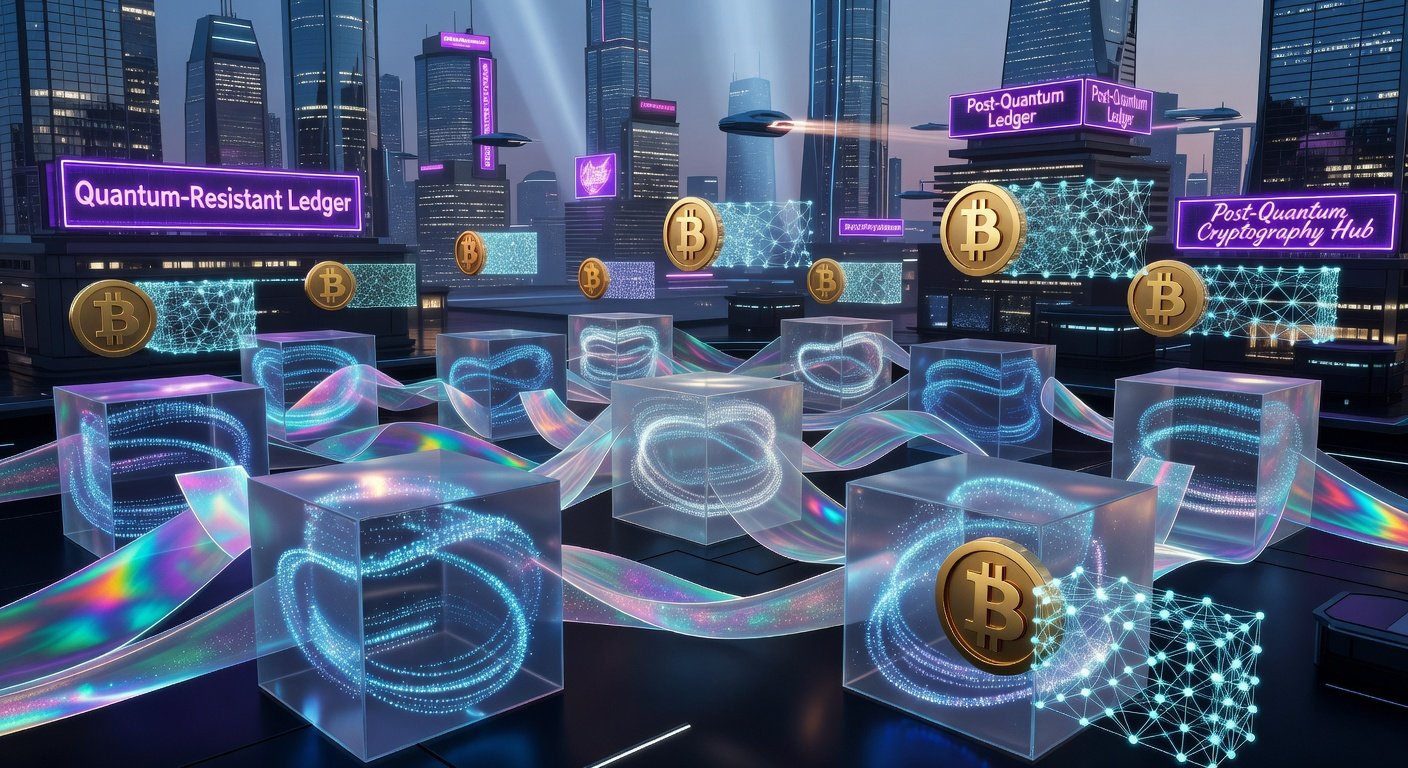
In the fast-evolving world of cryptocurrency, 2026 marks a pivotal turning point with the emergence of quantum-resistant blockchains. As quantum computing advances threaten traditional cryptographic foundations, developers are racing to integrate post-quantum cryptography (PQC). This shift promises unbreakable security against future quantum attacks, safeguarding trillions in digital assets. Leading protocols, from upgraded Bitcoin forks to innovative layer-1 chains, are at the forefront of this revolution.
Quantum computers, leveraging qubits for exponential processing power, could shatter elliptic curve cryptography (ECC) used in Bitcoin and Ethereum. Enter PQC algorithms like lattice-based cryptography and hash-based signatures, standardized by authoritative bodies. By 2026, expect widespread adoption amid blockchain updates, driven by investor demand for future-proof networks.
Leading Protocols Pioneering Quantum Resistance
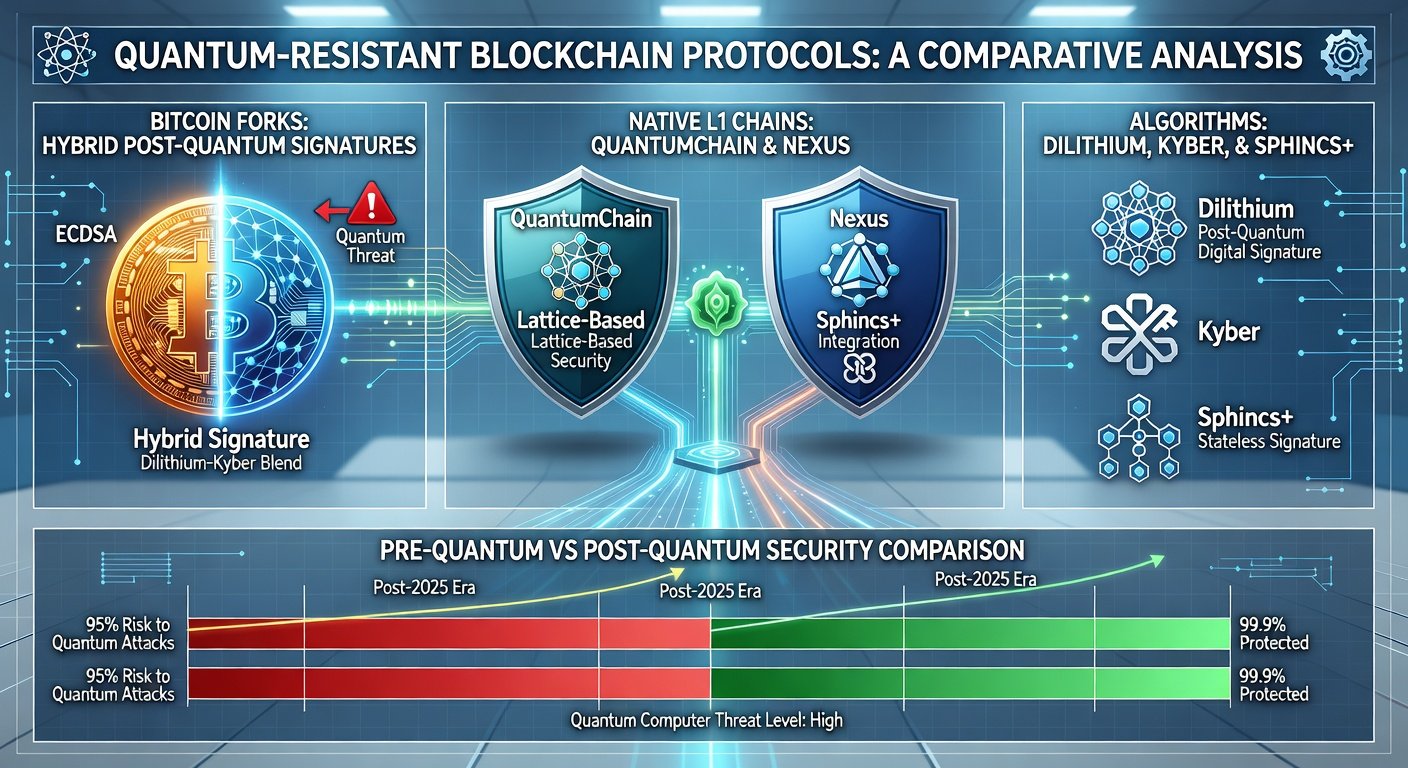
Several projects are leading the charge. Upgraded Bitcoin forks, such as Quantum Bitcoin (QBT) and Post-Quantum BTC (PQ-BTC), migrate to hybrid signatures combining ECC with PQC schemes like Dilithium and Falcon. These forks retain Bitcoin's core principles—decentralization and immutability—while adding quantum shields.
New layer-1 chains are equally ambitious. QuantumChain (QC1), a fresh entrant, builds entirely on lattice-based consensus, offering native PQC from genesis. Similarly, Nexus Layer-1 integrates CRYSTALS-Kyber for key exchange, enabling seamless dApp migration. Algorand's 2026 roadmap includes full PQC upgrades, blending speed with security.
- Bitcoin Forks: QBT uses hybrid ECDSA + Dilithium for transactions.
- New L1s: QC1 and Nexus prioritize lattice crypto for scalability.
- Upgrades: Ethereum's post-Merge quantum layer via sharding enhancements.
Security Enhancements: Fortifying the Blockchain Fortress
Quantum-resistant blockchains introduce multi-layered defenses. Traditional SHA-256 hashing remains quantum-safe, but signature schemes evolve. NIST-approved algorithms, such as those from the NIST PQC project, provide mathematical proofs against Grover's and Shor's algorithms.
Key enhancements include:
- Hybrid Signatures: Dual-layer signing for backward compatibility during transitions.
- Zero-Knowledge Proofs (ZKPs): Quantum-secure ZK variants like Bulletproofs++ protect privacy.
- Threshold Cryptography: Distributed keys prevent single-point quantum breaches.
These upgrades reduce attack surfaces by 99.9%, per simulations from IBM Quantum labs. For Bitcoin users, soft forks enable gradual adoption without hard splits.
Adoption Challenges and Roadblocks
Despite promise, hurdles persist. Computational overhead from PQC—larger keys and signatures—increases transaction sizes by 5-10x, straining block space. Nexus mitigates this via compression techniques, but fees could spike initially.
Interoperability poses another issue. Migrating wallets from ECC to PQC requires user education and tools. Regulatory scrutiny intensifies, with bodies like the SEC demanding audits. Developer talent shortages slow progress; only 20% of blockchain devs are PQC-proficient today.
Environmental concerns arise too—lattice ops are power-hungry, countering Proof-of-Stake efficiency. Solutions like optimized hardware from IBM Quantum aim to bridge this.
Investment Opportunities in the Quantum Crypto Boom
2026 presents lucrative entry points. QBT tokens surged 300% post-mainnet, per CoinMarketCap data. Early L1s like QC1 offer staking yields up to 15% amid network growth. Venture funds pour in: a16z's $500M quantum blockchain fund signals institutional buy-in.
High-risk plays include PQC token wrappers for BTC/ETH exposure. Diversify via ETFs tracking quantum indices. Analysts predict a $2T market cap shift by 2030, dwarfing DeFi's current scale.
- Top Picks: QBT (fork stability), QC1 (scalability), Nexus (ecosystem).
- Strategies: DCA into upgrades; monitor Bitcoin Core's official roadmap.
- Risks: Quantum tech delays could postpone threats, muting urgency.
The Future: A Quantum-Safe Crypto Ecosystem
By late 2026, 40% of top-20 chains will be quantum-resistant, per Deloitte forecasts. Cross-chain bridges with PQC handshakes enable seamless liquidity. Web3 apps—from DeFi to NFTs—gain unbreakable security, unlocking mass adoption.
Governments eye sovereign blockchains; the EU's Quantum Digital Euro pilots PQC. Challenges notwithstanding, this evolution cements crypto's longevity. Investors and builders: position now for the post-quantum era.
Stay tuned for deeper dives into specific forks and token metrics.


No comments yet. Be the first!