 CryptoChain Blog
Introduction to On-Chain Cycle Timing in 2026
Cryptocurrency markets continue to evolve rapidly, and timing entry and exit points during volatile periods requires more than price charts alone. On-chain metrics provide transparent data from the blockchain itself, offering insights into investor behavior that can help navigate the 2026 cycle. This framework focuses on practical application of key indicators to support informed decisions across Bitcoin, Ethereum, and major altcoins. Traders and analysts increasingly rely on these metrics because they reveal underlying network activity rather than surface-level sentiment. By combining exchange flows, whale movements, realized price, and volume patterns, market participants can identify potential accumulation or distribution phases with greater clarity. For foundational blockchain concepts, many turn to resources like Bitcoin.org when building their analysis toolkit.
Successful cycle timing in 2026 will likely hinge on understanding how these indicators interact during periods of heightened volatility driven by macroeconomic shifts and regulatory developments. This guide delivers a step-by-step approach that incorporates real historical patterns while emphasizing risk management to avoid common pitfalls.
Core On-Chain Indicators for 2026 Volatility
Exchange Flows and Their Signals
Exchange inflows often signal potential selling pressure as holders move assets to trading platforms. Conversely, outflows to self-custody wallets may indicate long-term holding intent. Monitoring net flows helps detect shifts in market structure ahead of major moves. In practice, analysts track 7-day and 30-day moving averages of exchange balances to filter out daily noise. When inflows spike without corresponding price increases, it can foreshadow distribution phases. Historical data shows that sustained outflows during consolidation periods have frequently preceded upward breakouts in prior cycles.
Whale Movements and Large Transactions
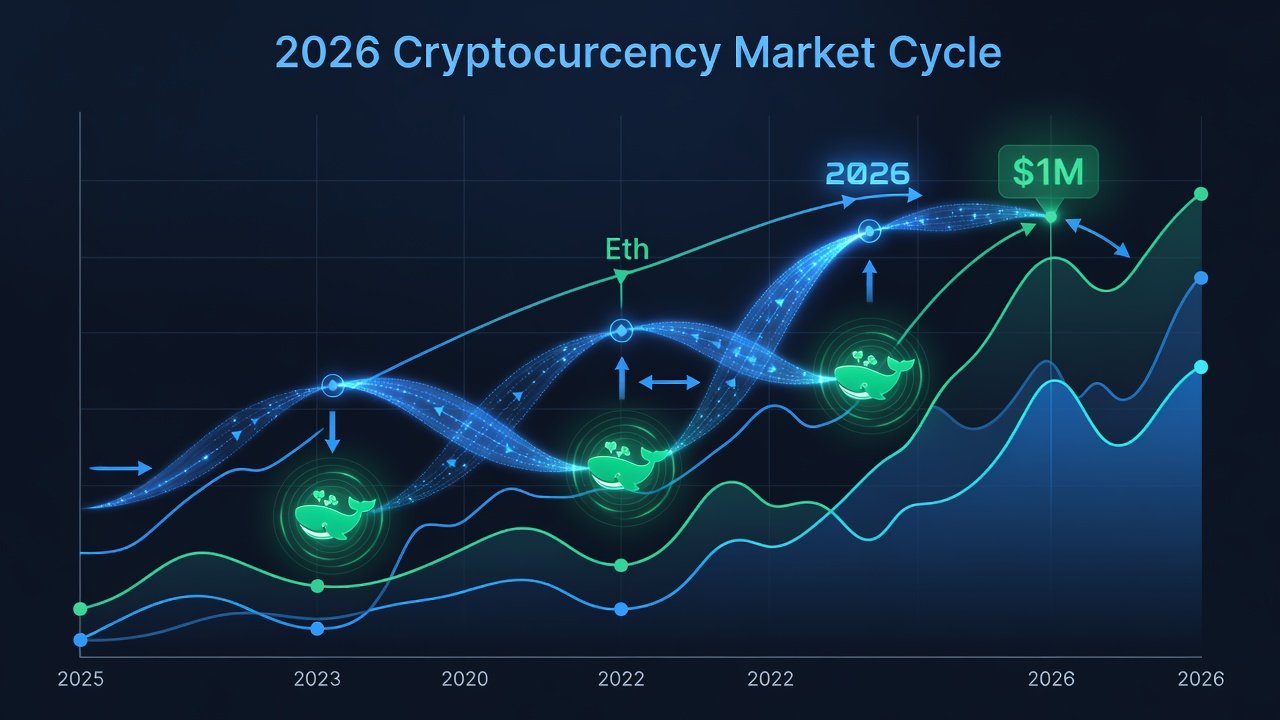
Whale activity tracks transfers exceeding certain thresholds, such as 100 BTC or equivalent. Clusters of large movements can precede volatility spikes. Consistent tracking reveals whether major holders are accumulating during dips or distributing near local tops. Tools that segment whales by behavior—such as long-term holders versus short-term traders—add further granularity. For example, when whales move coins to exchanges in batches during euphoric price action, it has often marked local peaks.
Realized Price as a Benchmark
Realized price calculates the average acquisition cost of all coins based on their last on-chain movement. When spot price trades significantly above or below this level, it highlights potential overvaluation or undervaluation zones that have historically marked cycle turning points. This metric acts as dynamic support or resistance and helps contextualize whether current prices reflect fair value or speculative excess.
Volume Patterns and Confirmation
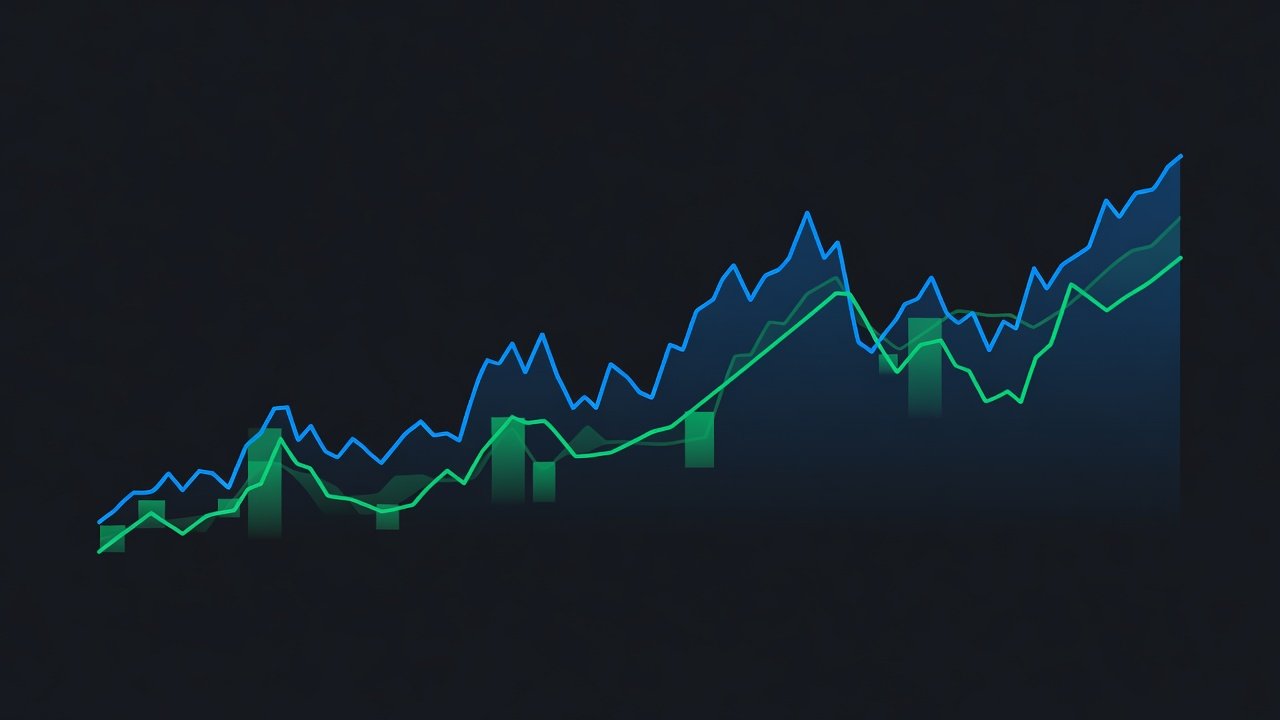
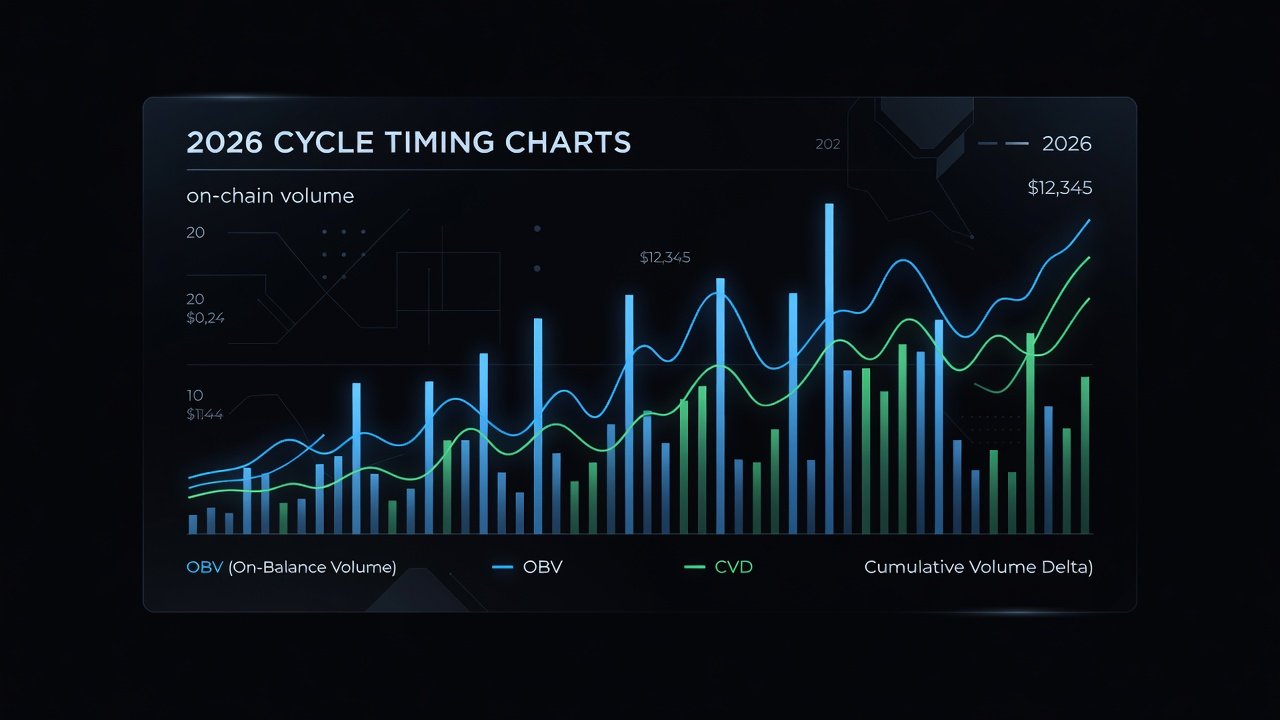
On-chain volume combined with exchange volume provides confirmation of trend strength. Rising volume during price advances often supports continuation, while divergences can warn of weakening momentum. Volume analysis becomes especially useful when paired with exchange flow data to distinguish between organic growth and manipulative activity.
Step-by-Step Implementation Framework
Implementing an on-chain framework requires discipline and consistent data collection. Begin by aggregating metrics from multiple providers and normalizing for changes in network participation. Next, establish baseline ranges using historical data from at least two prior market cycles. Set automated alerts for significant deviations, such as exchange inflows exceeding historical averages by substantial margins. Cross-reference whale transaction clusters with realized price deviations before acting. Always confirm signals with volume spikes and apply strict position sizing rules that limit exposure on any single indicator. This sequential approach reduces emotional decision-making during high-volatility periods expected in 2026. Review and adjust thresholds quarterly to account for evolving market conditions and liquidity shifts.
Real-World Examples from Previous Cycles
During the 2020-2021 bull market, sustained exchange outflows coincided with Bitcoin moving above its realized price, supporting the extended rally phase. Whale accumulation clusters observed in early 2020 preceded the strong recovery. In late 2021, heavy inflows to exchanges aligned with distribution and the subsequent bear market. The 2017-2018 cycle demonstrated realized price acting as dynamic support during corrections, with volume confirming breakdowns when metrics diverged. Ethereum's 2020 DeFi summer also showed similar patterns where on-chain volume surges validated price advances, as noted in ecosystem updates on Ethereum.org. These cases illustrate how multi-metric confirmation improves timing accuracy.
Retail Versus Institutional Timing Approaches
Retail traders often focus on short-term exchange flow spikes and combine them with social sentiment. They tend to react quickly to whale alerts but risk overtrading on false signals. Institutional participants integrate realized price models with longer-term volume trends and allocate across diversified portfolios, emphasizing risk-adjusted positioning. Retail strategies benefit from speed and simplicity, while institutional methods prioritize robustness through layered confirmation and macroeconomic overlays. Understanding these differences helps individual traders adopt hybrid approaches that suit their risk tolerance.
Managing Risks and Avoiding False Signals
- Never act on a single indicator; require at least two confirming signals.
- Adjust thresholds during low-liquidity periods to account for noise.
- Maintain a trading journal to review signal accuracy over time.
- Use stop-loss orders based on realized price levels rather than arbitrary percentages.
- Account for macroeconomic events that can override on-chain patterns.
- Regularly backtest your ruleset against new data releases.
- Diversify across multiple assets to reduce single-metric dependency.
These rules help filter noise common in volatile environments like those anticipated for 2026.
Practical Checklist for Cycle Timing
Readers can create their own checklist covering daily metric reviews, alert setup, cross-verification steps, and position management rules. Include items such as reviewing 30-day exchange flow averages, scanning for whale clusters above defined thresholds, comparing spot price to realized price bands, and confirming with volume data. Update the checklist after each cycle review to incorporate lessons learned. This structured tool supports consistent application of the framework.

Frequently Asked Questions
What is the most reliable single on-chain metric?
No single metric is reliable in isolation. Exchange flows paired with realized price deviations provide stronger context than any isolated reading, as demonstrated across multiple cycles.
How often should metrics be monitored?
Daily reviews suffice for most participants, with more frequent checks during periods of elevated network activity or major news events.
Can these indicators predict exact tops and bottoms?
They highlight zones of interest rather than precise reversal points. Confirmation from multiple sources improves probability but never guarantees outcomes.
Are on-chain tools suitable for altcoins?
Yes, but liquidity and data quality vary. Focus on major assets first before expanding to smaller tokens where on-chain transparency may be lower.
How do regulatory changes affect these metrics?
Regulatory announcements can trigger sudden flow shifts that temporarily distort signals. Always cross-check with broader market context before acting on anomalies.
Conclusion
Mastering on-chain metrics offers a data-driven edge for navigating 2026 crypto volatility. By systematically applying exchange flows, whale movements, realized price, and volume analysis while respecting risk rules, market participants can make more disciplined timing decisions. Consistent practice and ongoing refinement of the framework remain essential for long-term success in cryptocurrency markets.
No comments yet. Be the first!