 CryptoChain Blog
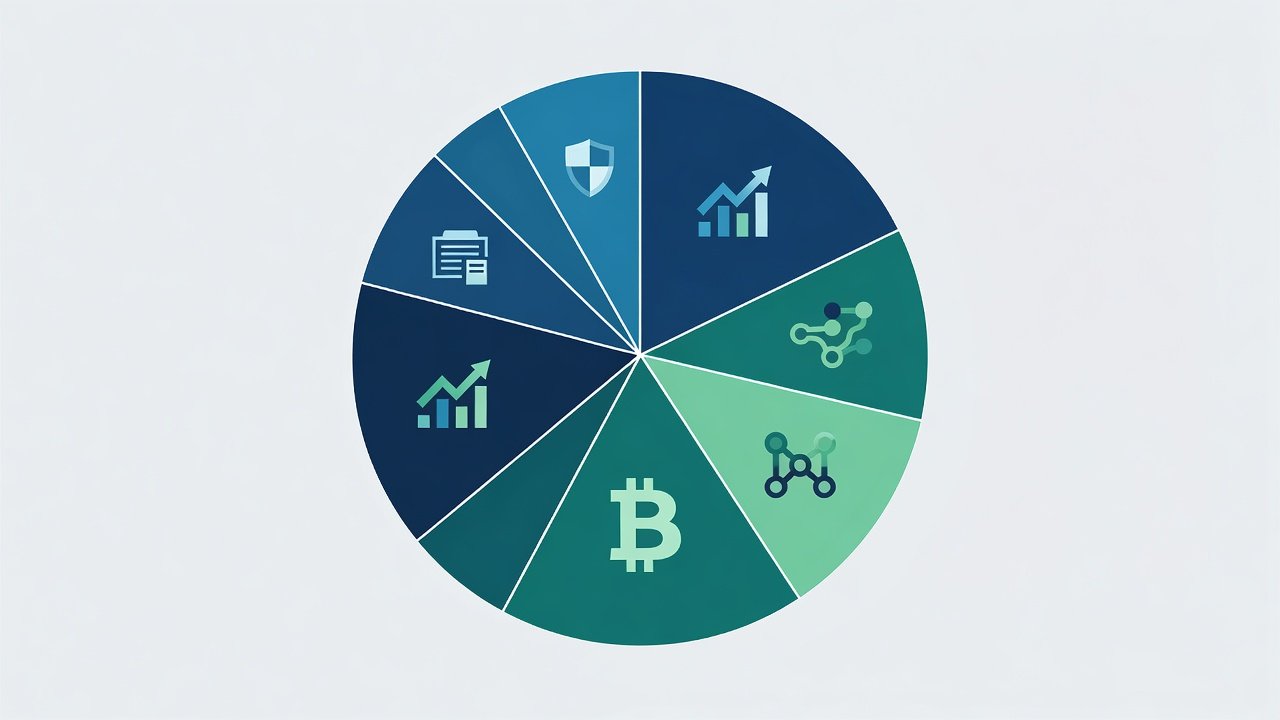
Introduction: Integrating Crypto ETFs into Retirement Planning for 2026
Retirement investors in 2026 face a rapidly evolving landscape where crypto ETFs offer regulated exposure to digital assets without the complexities of direct custody. This guide provides a practical framework for incorporating these vehicles into IRAs, 401(k)s, and similar accounts, emphasizing risk-adjusted allocations that balance growth potential with downside protection. As digital assets mature, more plan sponsors are approving crypto ETF options, making it essential for individuals to understand how to integrate them thoughtfully rather than through speculative impulses.
By focusing on portfolio construction, diversification across Bitcoin and altcoin ETFs, and hedging overlays, readers can build resilient strategies. The approach draws on institutional best practices while addressing real-world factors like tax implications and behavioral pitfalls that often undermine long-term success. Throughout this article, we explore concrete examples, decision frameworks, and monitoring techniques to help you implement these ideas effectively in your own retirement planning.
Why Crypto ETFs Suit Retirement Accounts in 2026
Crypto ETFs provide the benefits of spot exposure to assets like Bitcoin and Ethereum within traditional brokerage wrappers. This structure simplifies compliance compared to self-custody solutions and aligns with fiduciary standards for retirement plans. Key advantages include daily liquidity, transparent pricing, and integration with existing tax-advantaged accounts. Investors benefit from professional management and reduced operational risks associated with wallet security or private key management.
Compared to direct holdings, ETF inflows have demonstrated stronger institutional participation, reducing volatility from retail-driven swings. Authoritative resources such as SEC.gov outline regulatory safeguards that protect retirement savers. Additionally, ETFs often feature lower custody fees and easier tracking for performance reporting. However, they still carry market risks, including correlation with broader equity markets during stress periods, so they should never represent the majority of a retirement allocation.
Step-by-Step Portfolio Construction
Begin by assessing your risk tolerance and time horizon through a detailed questionnaire or consultation with a financial advisor. Next, determine an overall crypto allocation—typically 3-10% for most investors—then break it down by asset class. Rebalance quarterly or when on-chain volume signals indicate significant shifts in network activity, such as spikes in transaction counts or exchange reserves.
Practical checklist for construction:
- Review current retirement account holdings and contribution limits as of late 2026.
- Identify eligible crypto ETFs available in your brokerage platform and compare expense ratios.
- Model expected returns using historical data adjusted for 2026 market conditions, including regulatory developments.
- Incorporate stress testing via Monte Carlo simulations to evaluate tail risks across multiple economic scenarios.
- Document your investment policy statement to guide future decisions and avoid emotional overrides.
Following these steps ensures a systematic process rather than ad-hoc additions that can unbalance your overall retirement strategy.
Diversification Across Bitcoin and Altcoin ETFs
A balanced approach starts with core Bitcoin ETF exposure for foundational stability, supplemented by select altcoin ETFs for growth. This diversification mitigates single-asset risk while capturing broader ecosystem upside from innovations in decentralized finance and layer-two scaling solutions. Bitcoin often serves as the anchor due to its established liquidity and institutional acceptance, while altcoins introduce higher volatility that can enhance returns in favorable cycles.
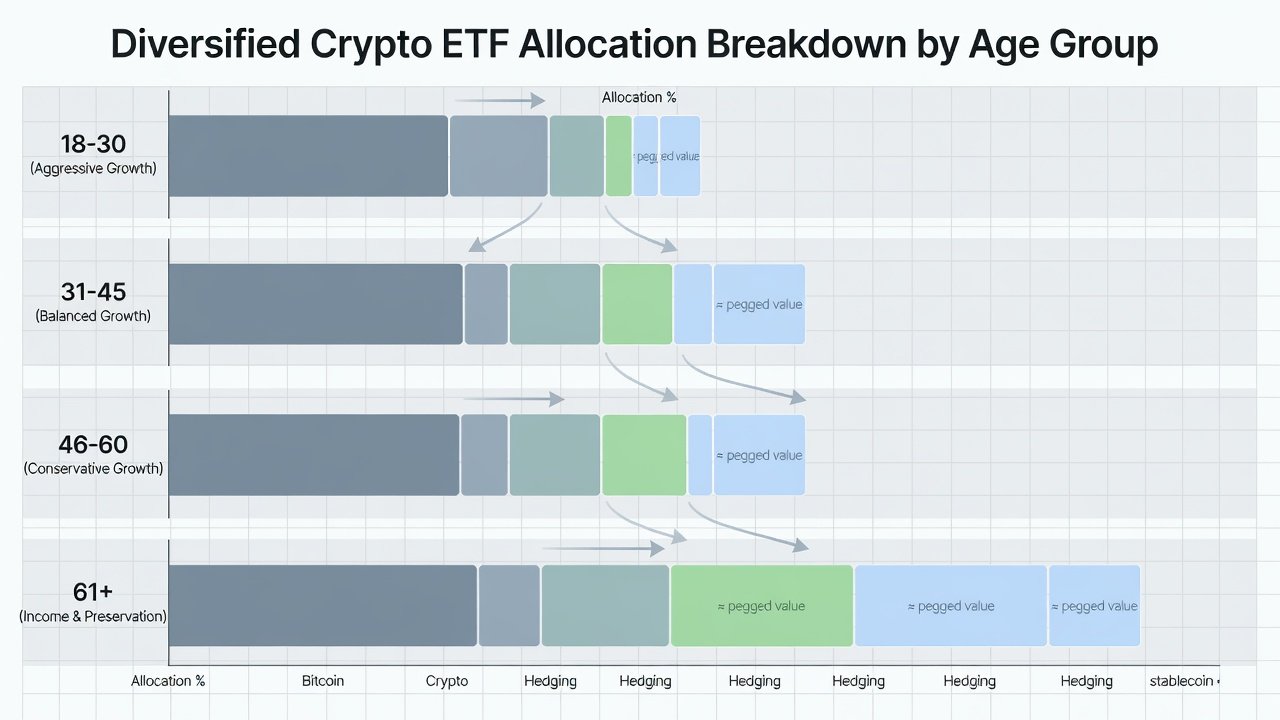
Sample allocation example: 60% Bitcoin ETF, 25% Ethereum ETF, 15% diversified altcoin basket focused on established projects with strong fundamentals. Adjust based on age—younger investors may tilt toward 40% altcoins for higher growth potential, while older investors prioritize Bitcoin dominance to preserve capital. Consider factors such as market capitalization, developer activity, and regulatory clarity when selecting altcoin ETFs. Over-concentration in any single altcoin category can amplify losses during sector-specific corrections, so spread exposure across multiple themes like smart contracts and payments.
Hedging Overlays Using Options and Stablecoins
Protect gains with protective put options on major ETF holdings or allocate a portion to stablecoin-backed products for capital preservation during downturns. These overlays help maintain long-term retirement goals without forced selling during temporary market dislocations. For instance, purchasing out-of-the-money puts on a Bitcoin ETF position can cap losses in a 20-30% drawdown scenario while allowing upside participation.
Compare ETF inflows versus direct holdings: ETFs often show smoother performance due to institutional flows, as noted in regulatory filings on Investor.gov. Stablecoin allocations within the crypto sleeve provide dry powder for opportunistic rebalancing and reduce overall portfolio beta. When implementing options, account for premium decay and implied volatility levels, which tend to rise during periods of uncertainty. A practical example involves rolling quarterly put spreads to maintain continuous protection at a controlled cost.
Tax Integration and Compliance Considerations
Contributions to traditional IRAs remain tax-deferred, while Roth conversions can optimize after-tax growth for those expecting higher future tax rates. Track cost basis carefully and consult IRS guidelines via IRS.gov for distribution rules. Rebalancing inside tax-advantaged accounts avoids immediate capital gains events, unlike taxable brokerage accounts where frequent trading can trigger liabilities.
Additional considerations include required minimum distributions after age 73 and the treatment of ETF dividends or capital gains distributions, though many crypto ETFs minimize these through in-kind creation mechanisms. Always maintain records of ETF purchases and sales within your retirement accounts for accurate tax reporting if any conversions occur. Consulting a tax professional familiar with digital asset rules ensures compliance with evolving 2026 regulations.
Sample Portfolios by Age Group
Under 40: 8% total crypto allocation (50% Bitcoin ETF, 30% altcoin ETFs, 20% hedged positions with options overlays) to maximize compounding over decades. This group can tolerate higher volatility for greater long-term wealth accumulation.
40-55: 5% total crypto (70% Bitcoin ETF, 20% altcoin ETFs, 10% stablecoin overlay) balances growth with increasing need for capital preservation as retirement nears.
Over 55: 3% total crypto (80% Bitcoin ETF, 15% altcoin ETFs, 5% options hedge) emphasizes downside protection and liquidity for income generation. These examples assume moderate overall risk tolerance; adjust percentages based on personal circumstances, health, and other income sources.
Monte Carlo Stress Tests and On-Chain Signals
Run 10,000-path Monte Carlo simulations incorporating volatility assumptions, correlation matrices, and macroeconomic variables to project retirement outcomes under best-case, base-case, and worst-case scenarios. These tests reveal the probability of meeting income goals and highlight the impact of sequence-of-returns risk when crypto allocations are present.
Monitor on-chain metrics such as exchange inflows, transaction volumes, and active addresses for rebalancing triggers, typically when deviations exceed 20% from targets or when network activity signals fundamental shifts. Combining quantitative models with qualitative on-chain data provides a robust early-warning system for portfolio adjustments.
Addressing Behavioral Biases and Common Mistakes
Common derailers include recency bias, where recent price surges encourage over-allocation, and loss aversion, which prompts premature exits during dips. Counter these with pre-defined rules for allocation and automated rebalancing to stay disciplined. Other frequent mistakes involve ignoring expense ratios, failing to account for ETF tracking error, or neglecting to update allocations after major life events. Regular education and periodic reviews with a fiduciary advisor help mitigate these issues.
Conclusion and Next Steps
Implementing crypto ETFs in retirement accounts requires methodical planning but offers meaningful diversification when executed properly. Start with small allocations, stress-test thoroughly, and review annually alongside overall financial goals. Document your process and remain adaptable to new regulatory or market developments.
FAQ
Q: What triggers a rebalance? A: Portfolio drift beyond 2% bands or significant on-chain volume changes that suggest structural market shifts.
Q: Are there compliance hurdles? A: Most major custodians now support crypto ETFs in IRAs; confirm with your plan administrator and review plan documents annually.
Q: How do options hedges impact returns? A: They reduce volatility at the cost of modest premium expenses, suitable for conservative profiles seeking smoother equity curves.
Q: Can I hold multiple crypto ETFs in one account? A: Yes, most platforms allow diversified sleeves as long as total allocation stays within your risk parameters.

No comments yet. Be the first!