 CryptoChain Blog
Introduction to Crypto in Retirement Planning
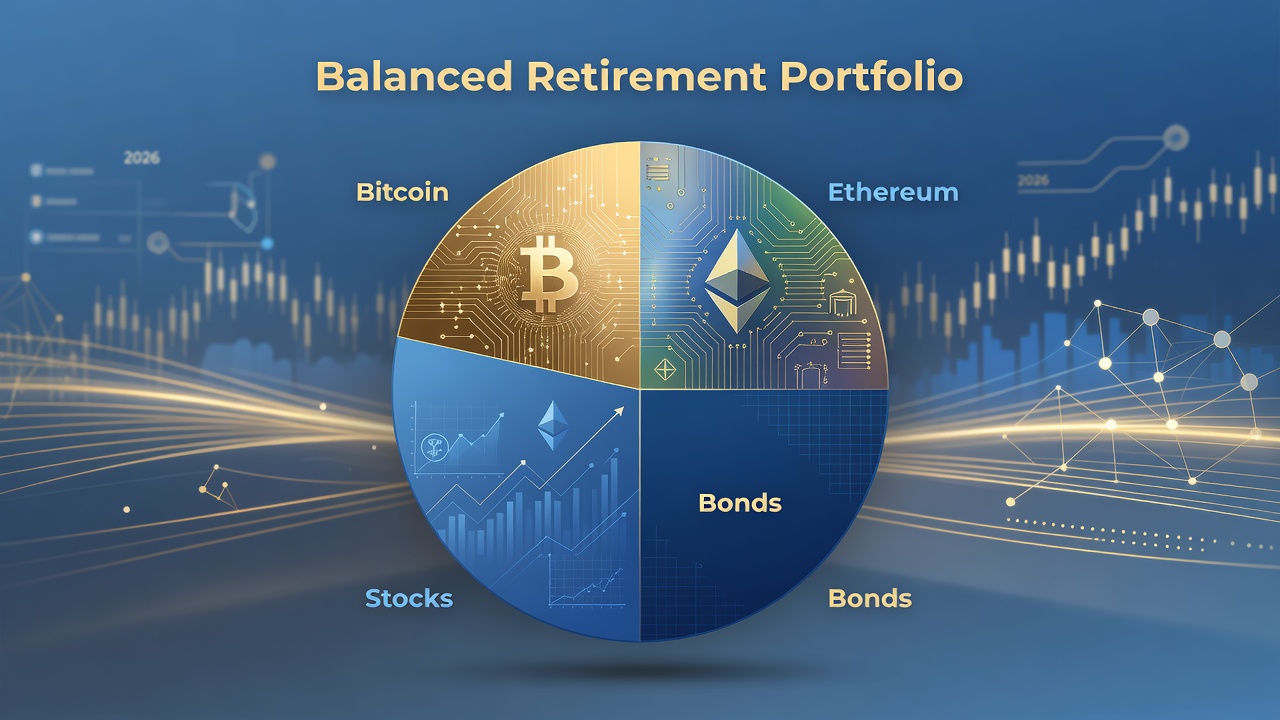
As markets evolve in 2026, many investors are exploring cryptocurrency as a long-term component of retirement portfolios. This guide focuses on actionable strategies for beginners seeking to blend digital assets with traditional investments while managing volatility and regulatory considerations. Retirement planning emphasizes preservation of capital and steady growth over decades. Cryptocurrency offers potential inflation hedging but requires careful integration through structured approaches rather than speculative moves.
Understanding the role of digital assets begins with recognizing their distinct characteristics compared to stocks or bonds. Volatility can create opportunities for growth but also demands safeguards. Throughout this article we examine allocation models, tax efficiency, real-world examples from past cycles, and comparisons between major cryptocurrencies to help build resilient portfolios.
Understanding Risk-Adjusted Allocation Models
Effective retirement portfolios balance risk through percentage-based allocations tailored to individual circumstances. A common starting point for conservative investors is dedicating a modest portion of total assets to cryptocurrency, adjusting based on age, income stability, and overall risk tolerance. Younger investors with longer horizons may lean toward higher exposure, while those nearing retirement reduce it to protect accumulated wealth.
Modern portfolio theory supports diversification across asset classes to optimize returns for given risk levels. Pairing crypto with stocks, bonds, and real estate can smooth overall returns because Bitcoin and other digital assets often move independently of traditional markets during certain cycles. Correlation analysis reveals periods where crypto provides a hedge, though this relationship can shift. Investors should review historical volatility metrics and stress-test portfolios against scenarios like sharp market corrections to ensure allocations remain appropriate over time.
Tax-Efficient Holding Strategies for Crypto
Tax rules significantly impact net returns in retirement accounts. In many jurisdictions, long-term capital gains rates apply after holding periods of one year or more, making patient ownership advantageous. Use tax-advantaged accounts like IRAs where permitted to defer or eliminate taxes on gains and compound growth more effectively.
Practical strategies include harvesting losses during downturns to offset realized gains elsewhere in the portfolio and maintaining detailed records of cost basis for every transaction. Consult official resources such as IRS guidelines for compliance details. Avoid frequent trading to minimize short-term tax liabilities that erode returns. Additionally, consider the timing of withdrawals in retirement to stay within favorable tax brackets and explore opportunities for charitable contributions of appreciated assets when appropriate.
Balancing Volatile Assets with Traditional Investments
Volatility remains crypto's defining feature, with historical drawdowns exceeding 50 percent in past cycles. Offset this reality by maintaining core holdings in stable assets like broad index funds or government bonds that provide ballast during turbulent periods. Rebalancing annually or after significant moves helps lock in gains and restore target allocations without emotional interference.
Real-world examples from the 2017-2018 and 2021-2022 cycles demonstrate that investors who held through volatility and maintained diversified portfolios recovered stronger than those who panic-sold at lows. Dollar-cost averaging into positions over months or years reduces the impact of poor timing decisions. Combining crypto with fixed-income instruments creates a buffer that allows the portfolio to endure prolonged downturns while still participating in upside potential.
Practical Steps for Building a Diversified Crypto Retirement Portfolio
- Assess your overall risk tolerance and time horizon using free online calculators from reputable financial sites and document your target allocation percentages.
- Research and select assets starting with established cryptocurrencies that have proven track records before considering smaller positions in others.
- Open secure custody solutions such as hardware wallets or qualified custodians specifically designed for retirement accounts to protect against theft and loss.
- Implement regular contributions via automated purchases scheduled on a monthly or quarterly basis to benefit from dollar-cost averaging.
- Monitor and rebalance quarterly while avoiding emotional decisions driven by short-term price swings.
- Review tax implications annually and adjust contribution methods to maximize after-tax growth within legal limits.
- Educate yourself continuously through authoritative sources and consider consulting a fiduciary advisor familiar with digital assets.
Comparing Bitcoin, Ethereum, and Emerging Altcoins
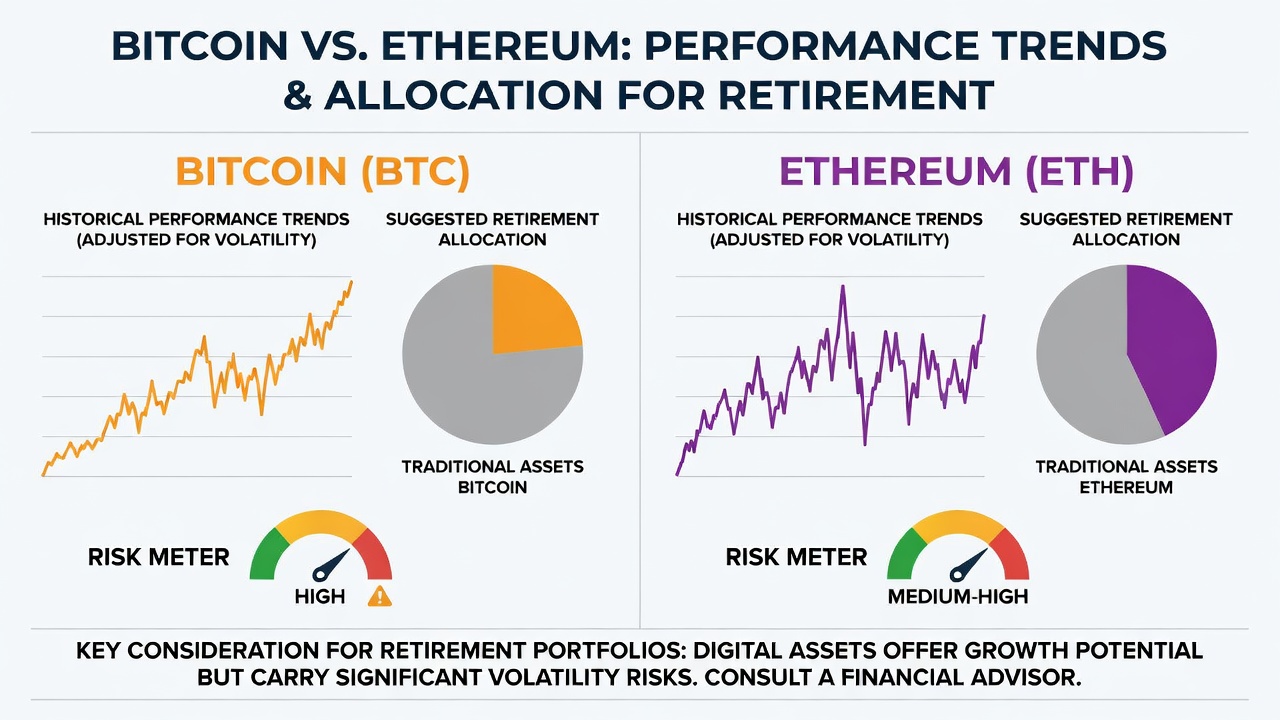
Bitcoin serves as digital gold with its fixed supply schedule and growing institutional adoption, making it a foundational holding for most retirement portfolios. Its scarcity narrative and role as a store of value have been tested across multiple market environments. Ethereum offers smart contract utility and staking yields that can generate additional income, adding a productive dimension beyond pure price appreciation.
Emerging altcoins carry higher risk and reward profiles due to smaller market capitalizations and less proven use cases. Limit exposure to 1-2 percent per individual asset and focus only on projects with strong fundamentals, active developer communities, and real-world adoption. Diversification across these layers creates resilience by spreading exposure across different technological and economic drivers rather than concentrating risk in a single narrative.
Real-World Examples from Recent Market Cycles
Examining past cycles provides concrete lessons. During the 2017 bull run many new investors entered at peak prices only to experience sharp reversals the following year. Those who maintained steady contributions through the bear market of 2018 benefited from significantly lower average entry prices by 2020. Similarly, the 2021-2022 period highlighted the importance of not over-allocating during euphoria and maintaining liquidity in traditional assets for rebalancing opportunities.
Investors who combined Bitcoin and Ethereum holdings with traditional bonds saw smoother equity curves compared to pure crypto portfolios. These examples underscore the value of discipline over market timing and the benefit of viewing crypto as a satellite holding rather than the core of retirement wealth.
Addressing Regulatory Impacts and Inflation Hedging
Regulatory clarity continues to develop globally, affecting everything from custody requirements to trading access. Stay informed through sources like SEC updates and consider how policy changes might influence liquidity or tax treatment. Proactive compliance protects portfolios from sudden shifts that could otherwise force suboptimal decisions.
Cryptocurrency has historically acted as an inflation hedge during periods of currency debasement, though results vary by timeframe and economic context. Combine modest crypto allocations with commodities or Treasury inflation-protected securities for layered protection. Historical data from multiple market cycles supports using digital assets as one component within a broader inflation-resistant strategy rather than relying on them exclusively.
Mistakes to Avoid When Integrating Crypto
Common pitfalls include over-allocating during hype cycles, neglecting secure storage practices, and ignoring tax reporting obligations. Another frequent error is chasing high-yield altcoin projects without due diligence, which can lead to permanent capital loss. Investors should also avoid using retirement funds for leverage or short-term trading, as these activities contradict the long-term nature of retirement planning.
Conclusion
Incorporating cryptocurrency into retirement strategies in 2026 demands discipline, education, and a long-term mindset. By focusing on risk-adjusted models, tax efficiency, thoughtful diversification, and lessons from prior cycles, investors can position themselves for potential growth while mitigating downsides. Begin with modest positions, stay informed through reliable channels, and review plans periodically with professional advisors to adapt as markets and regulations evolve.
FAQ
How much crypto should I allocate to retirement?
Most advisors suggest starting with 5 percent or less of total investable assets, scaling gradually based on personal circumstances, risk tolerance, and evolving market conditions.
Are there risks from future regulations?
Yes, evolving rules could affect liquidity, custody requirements, and taxation. Diversify across compliant platforms and maintain flexibility to adjust holdings if needed.
Can crypto truly hedge inflation in retirement?
It has shown hedging properties in certain cycles, particularly during high inflation environments, but results vary. Combine with traditional assets like bonds for balanced protection.
What custody options suit retirement accounts?
Self-custody hardware wallets paired with qualified IRA custodians provide both security and tax advantages while meeting regulatory standards for retirement vehicles.
Should I include staking or yield-generating strategies?
Staking can add modest income but introduces additional risks such as lock-up periods and smart contract vulnerabilities. Limit exposure and prioritize principal protection in retirement contexts.


No comments yet. Be the first!