 CryptoChain Blog
Introduction: Geopolitics Meets Crypto in 2026
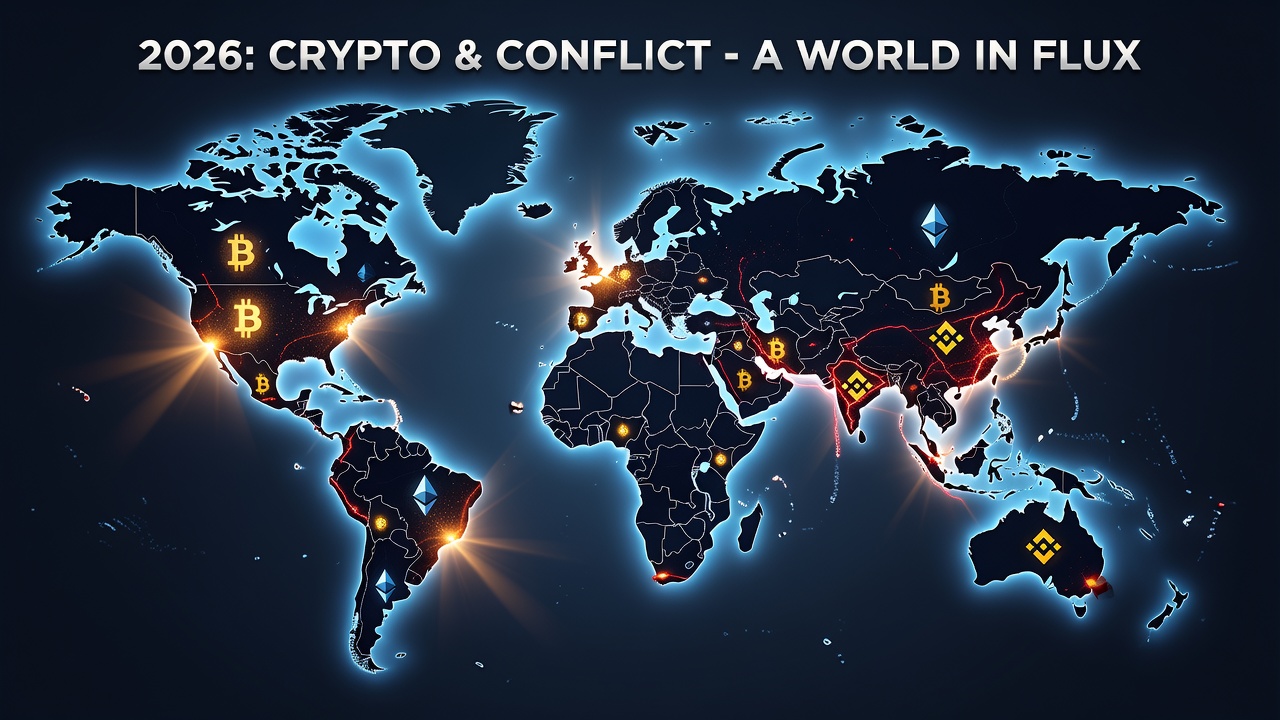
As global tensions evolve, cryptocurrency markets increasingly reflect the ripple effects of international politics. In 2026, investors must integrate geopolitical analysis into their strategies to navigate volatility in Bitcoin, Ethereum, and altcoins. This forward-looking guide examines key drivers like trade disputes, economic sanctions, and electoral outcomes, drawing on real-world examples from major economies such as the United States, China, and the European Union. Understanding these influences helps sophisticated traders anticipate shifts beyond standard market cycles. By blending traditional macroeconomic awareness with crypto-specific metrics such as on-chain flows and network activity, investors gain an edge in positioning portfolios effectively. The year 2026 promises continued uncertainty from ongoing conflicts and policy changes, making proactive monitoring essential for those seeking advanced insights into digital asset performance.
Trade Wars and Their Influence on Crypto Trends
Trade conflicts between superpowers continue to disrupt supply chains and investor sentiment. Escalations between the US and China, for instance, have historically driven capital toward decentralized assets as hedges against fiat instability. In 2026, renewed tariffs on technology exports could amplify demand for borderless cryptocurrencies, particularly those facilitating cross-border settlements. Real-world cases include how previous US-China tariff rounds correlated with spikes in stablecoin volumes used for efficient value transfer. Forward projections suggest similar patterns if new restrictions target semiconductor trade, pushing miners and developers toward neutral jurisdictions like Singapore or Switzerland. Beyond hardware, trade wars also affect token projects tied to global supply chains, where tokenized assets may see increased utility as alternatives to traditional letters of credit. Investors should watch for volume surges on decentralized exchanges during tariff announcements, as these often precede broader market rotations into privacy coins and Layer-2 scaling solutions.
Sanctions Regimes Reshaping Market Dynamics
Economic sanctions imposed by coalitions like the G7 nations often redirect financial flows into crypto ecosystems. Countries facing restrictions on traditional banking access turn to digital assets for trade and reserves. Examples from Russia and Iran demonstrate increased adoption of privacy-focused coins and decentralized finance protocols during sanction periods. In 2026, expanded sanctions on energy sectors may accelerate blockchain-based commodity trading platforms, creating both opportunities and regulatory scrutiny for exchanges operating globally. This shift encourages development of compliant yet decentralized solutions that bypass centralized intermediaries while maintaining audit trails for legitimate users. Market participants can observe rising transaction counts on certain networks as indicators of sanction-driven adoption, providing early signals for volatility spikes.
Elections and Political Shifts Driving Volatility
Major elections in the US, EU member states, and Asia introduce policy uncertainty that spills into crypto markets. Pro-innovation candidates can spark rallies, while restrictive stances trigger sell-offs. Historical data from 2024 US elections showed pronounced Bitcoin movements tied to regulatory expectation shifts. Looking ahead to 2026 midterms and international votes, analysts should monitor candidate platforms on digital asset taxation and central bank digital currency competition. Political rhetoric around CBDCs versus decentralized alternatives often influences retail and institutional flows, with positive statements leading to sustained uptrends in governance tokens. Preparing for these events involves tracking polling data alongside on-chain wallet activity from politically sensitive regions.
Comparing Cryptocurrencies to Traditional Assets in Crises
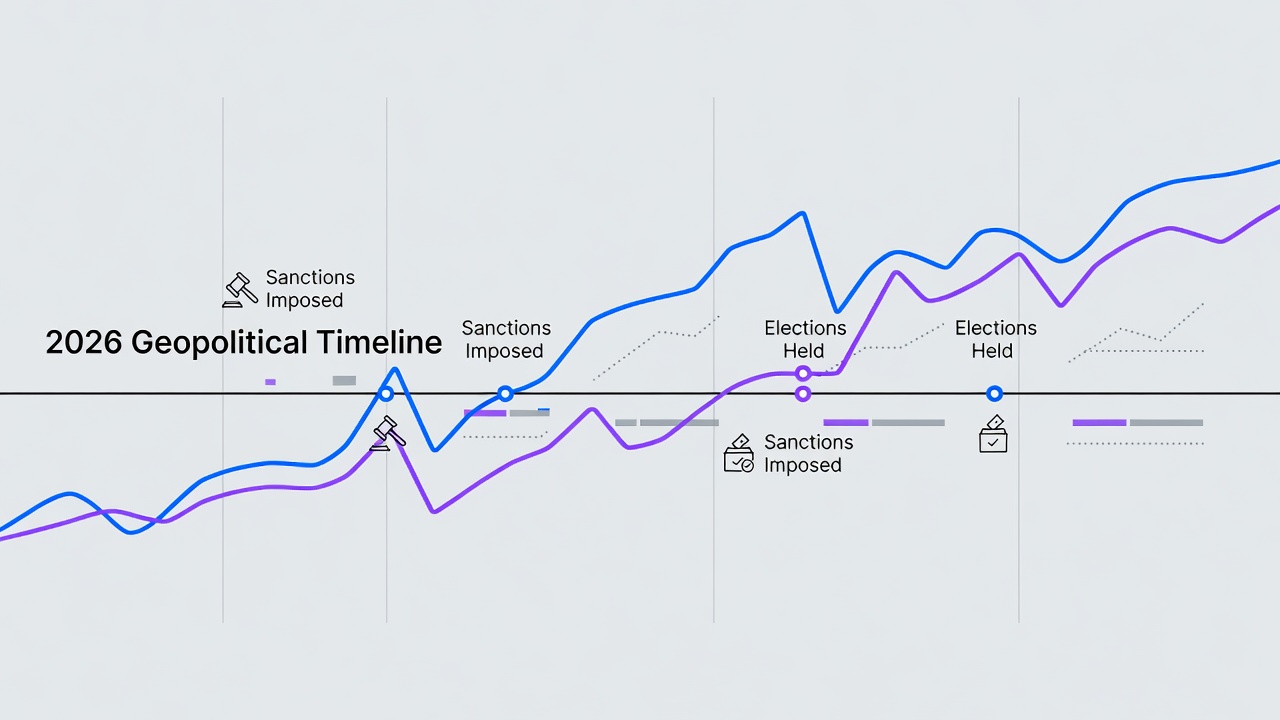
During geopolitical crises, cryptocurrencies often diverge from gold, equities, and bonds. While gold maintains safe-haven status, Bitcoin has shown mixed correlations—sometimes acting as digital gold and other times amplifying risk-off moves. In 2026 scenarios involving Middle East conflicts or Taiwan Strait tensions, expect crypto to exhibit higher beta than traditional commodities but faster recovery potential due to 24/7 trading. Equities react slower due to market hours and corporate exposures, often lagging behind crypto by several sessions. Gold and bonds provide more stability but deliver lower upside during recovery phases when risk appetite returns. Crypto offers rapid sentiment-driven swings, creating tactical entry points for informed traders who combine technical analysis with geopolitical calendars. Additional comparisons reveal that during prolonged sanctions, stablecoins maintain liquidity better than emerging market currencies, while altcoins tied to real-world assets gain traction as settlement tools.
Practical Steps for Incorporating Geopolitical Data into Daily Analysis
Integrate these methods to enhance your routine and build a robust framework:
- Subscribe to official sources such as IMF reports for macroeconomic outlooks that contextualize crypto movements.
- Track sanction announcements via Bank for International Settlements publications to anticipate liquidity shifts.
- Use sentiment tools to quantify social media reactions to election news and cross-reference with trading volumes.
- Cross-reference on-chain metrics like exchange inflows with geopolitical calendars for correlation insights.
- Simulate portfolio impacts using historical crisis datasets from past trade disputes and sanctions episodes.
- Establish weekly review sessions to update risk parameters based on emerging diplomatic developments.
- Leverage API integrations from news aggregators to automate alerts tied to specific regions or asset classes.
Effective Hedging Methods for 2026
Investors can employ options on Bitcoin futures to protect against downside volatility triggered by sudden geopolitical events. Stablecoin allocations during volatility spikes preserve capital while awaiting clearer signals. Diversified exposure across Layer-1 protocols resilient to regional disruptions, such as those with strong global node distribution, provides natural hedges. Additional techniques include allocating to assets with proven utility in sanctioned regions and using perpetual futures for tactical adjustments without direct ownership. These approaches allow portfolios to weather uncertainty while capitalizing on rebound opportunities once tensions ease.
Real-World Case Studies from Recent Geopolitical Events
Examining past episodes offers valuable lessons for 2026. During the 2022 Russia-Ukraine conflict, certain privacy coins saw temporary volume increases before regulatory responses moderated activity. Similarly, 2025 tariff escalations between major economies coincided with elevated stablecoin issuance as businesses sought efficient cross-border payment rails. These cases highlight how crypto networks adapt faster than legacy systems, yet also attract heightened oversight that can influence long-term adoption curves.
FAQs on Monitoring Geopolitical Sources
What news feeds provide the timeliest insights?
Combine OECD economic outlooks with specialized crypto analytics platforms for balanced coverage that blends policy analysis with market data.
How often should geopolitical factors be reviewed?
Daily scans during active conflicts or election seasons, with weekly deep dives otherwise, ensure timely adjustments without information overload.
Can geopolitical analysis predict exact price moves?
No single factor guarantees outcomes, but it significantly improves probability assessments when layered with technical indicators and on-chain signals.
Which regions warrant the closest attention in 2026?
Focus on US-China relations, EU energy policies, and Asian electoral cycles, as these consistently correlate with measurable crypto market reactions.
Conclusion
Mastering geopolitical impacts positions crypto investors for informed decision-making throughout 2026. By applying structured analysis, practical hedging, and continuous monitoring of authoritative sources, market participants can transform uncertainty into strategic advantage while staying ahead of emerging trends in digital asset adoption.
No comments yet. Be the first!