 CryptoChain Blog

Introduction to Advanced Cryptocurrency Analysis
In the fast-evolving world of cryptocurrency, staying ahead requires more than gut feelings or basic price charts. As we eye 2026, advanced techniques like on-chain metrics, AI-driven sentiment analysis, and predictive modeling are game-changers for spotting market insights. This guide walks you through these methods with real-world examples, helping you turn data into profitable strategies while avoiding common traps.
Whether you're a seasoned trader or dipping into analytics, these tools can reveal hidden trends before they hit mainstream news. Let's dive in.
Mastering On-Chain Metrics for Deeper Insights
On-chain data provides a transparent view of blockchain activity, far beyond exchange prices. Metrics like active addresses, transaction volume, and token velocity offer clues about network health and investor behavior.
- Active Addresses: Rising numbers signal growing adoption; sudden drops may indicate whale accumulation or fear.
- Transaction Volume: High volume with stable prices suggests accumulation phases.
- Exchange Flows: Net inflows to exchanges often precede sell-offs.
For Ethereum, track gas fees and layer-2 activity to gauge scalability upgrades' impact. Platforms like Glassnode provide reliable on-chain dashboards.
Real-World Example: Bitcoin's 2024 Halving Cycle
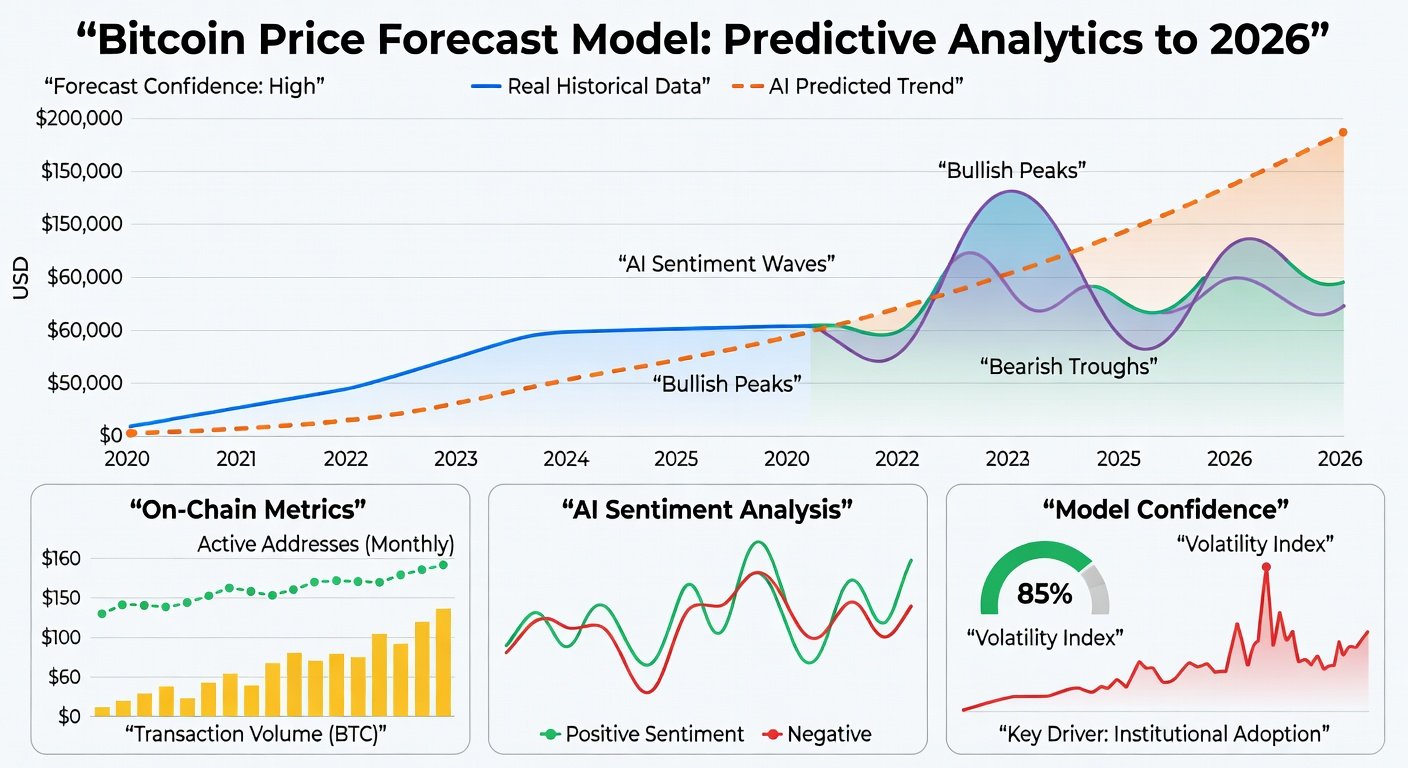
Before the 2024 halving, on-chain data showed declining exchange reserves and rising HODL waves—long-term holders refusing to sell. Analysts using these metrics predicted a post-halving rally, which materialized with Bitcoin surpassing $70K. Apply this to 2026: Monitor Solana's on-chain TVL for DeFi booms or Cardano's smart contract deployments for ecosystem growth.
Leveraging AI-Driven Sentiment Tools
Sentiment analysis uses natural language processing (NLP) to gauge market mood from social media, news, and forums. AI tools aggregate data from Twitter, Reddit, and Telegram, scoring bullish/bearish vibes.
- Fear & Greed Index: Extreme fear often marks buy opportunities.
- Social Volume Spikes: Sudden mentions precede price pumps.
- Sentiment Divergence: When sentiment turns positive amid falling prices, reversals loom.
Tools like Santiment blend on-chain with sentiment for holistic views. In 2023, AI detected early memecoin hype on Dogecoin via Twitter sentiment surges, allowing early entries.
Example: Predicting Altcoin Seasons
During the 2021 bull run, AI tools flagged Ethereum sentiment decoupling from Bitcoin, signaling altcoin dominance. For 2026, watch AI models tracking AI-crypto intersections like Fetch.ai or Render Network—rising sentiment could forecast 10x gains.
Building Predictive Models for 2026 Forecasts
Predictive modeling employs machine learning (ML) to forecast prices using historical data, on-chain signals, and macros. Start with simple regressions, then advance to LSTM neural networks for time-series predictions.
- Data Collection: Pull from APIs like CoinGecko or on-chain sources.
- Feature Engineering: Combine RSI, on-chain flows, and sentiment scores.
- Model Training: Use Python libraries like TensorFlow or scikit-learn.
- Backtesting: Validate on past cycles like 2017 or 2021.
A basic ARIMA model on Bitcoin's MVRV ratio (market value to realized value) has historically predicted tops and bottoms. For 2026, integrate macro factors like Fed rates via models on CoinMarketCap data.
Case Study: Forecasting ETH Post-Merge
Pre-2022 Merge, ML models incorporating staking ratios and L2 metrics predicted ETH's resilience amid bear markets. Users who heeded these entered at $1,200, riding to $4,000 peaks. Replicate for 2026 layer-2 wars: Model Polygon vs. Optimism TVL growth.
Common Pitfalls in Crypto Analysis
Even pros stumble. Avoid these:
- Overfitting Models: Backtested perfection fails live—use cross-validation.
- Ignoring Black Swans: FTX collapse blindsided many; diversify signals.
- Siloed Data: On-chain alone misses sentiment; blend sources.
- Confirmation Bias: Cherry-pick bullish metrics—stay objective.
Pro Tip: Allocate only 10-20% portfolio per signal; use stop-losses tied to invalidation levels.
Pro Tips for Actionable Investment Strategies
1. Build a Dashboard: Integrate Glassnode, Santiment, and TradingView for real-time alerts.
2. Layer Signals: Require 3+ confluences (e.g., on-chain + sentiment + ML) before trading.
3. Risk Management: Position size by conviction score; trail stops on winners.
4. 2026 Focus Areas: AI tokens, RWA (real-world assets), and Bitcoin ETFs inflows—model regulatory shifts.
5. Automate: Use bots on Dune Analytics for custom queries.
Conclusion: Gear Up for 2026 Crypto Gains
By mastering on-chain metrics, AI sentiment, and predictive modeling, you'll spot 2026 trends early—from Bitcoin's next ATH to altcoin explosions. Practice on historical data, avoid pitfalls, and apply pro tips to craft winning strategies. The future favors the data-driven—start analyzing today.

No comments yet. Be the first!