 CryptoChain Blog
DeFi Liquid Staking Guide 2026: Earn Yield Without Locking Assets
In the evolving landscape of decentralized finance in 2026, liquid staking has emerged as a powerful way to generate yields on your crypto holdings without the restrictions of traditional staking. This comprehensive guide explores the mechanics, benefits, and practical implementation of liquid staking protocols, helping beginners and intermediate users navigate opportunities while managing risks effectively. As DeFi continues to mature, liquid staking stands out for its ability to combine passive income with active portfolio management, making it particularly relevant amid fluctuating market conditions and increasing institutional interest in Ethereum-based solutions.
What Is Liquid Staking and How Does It Work?
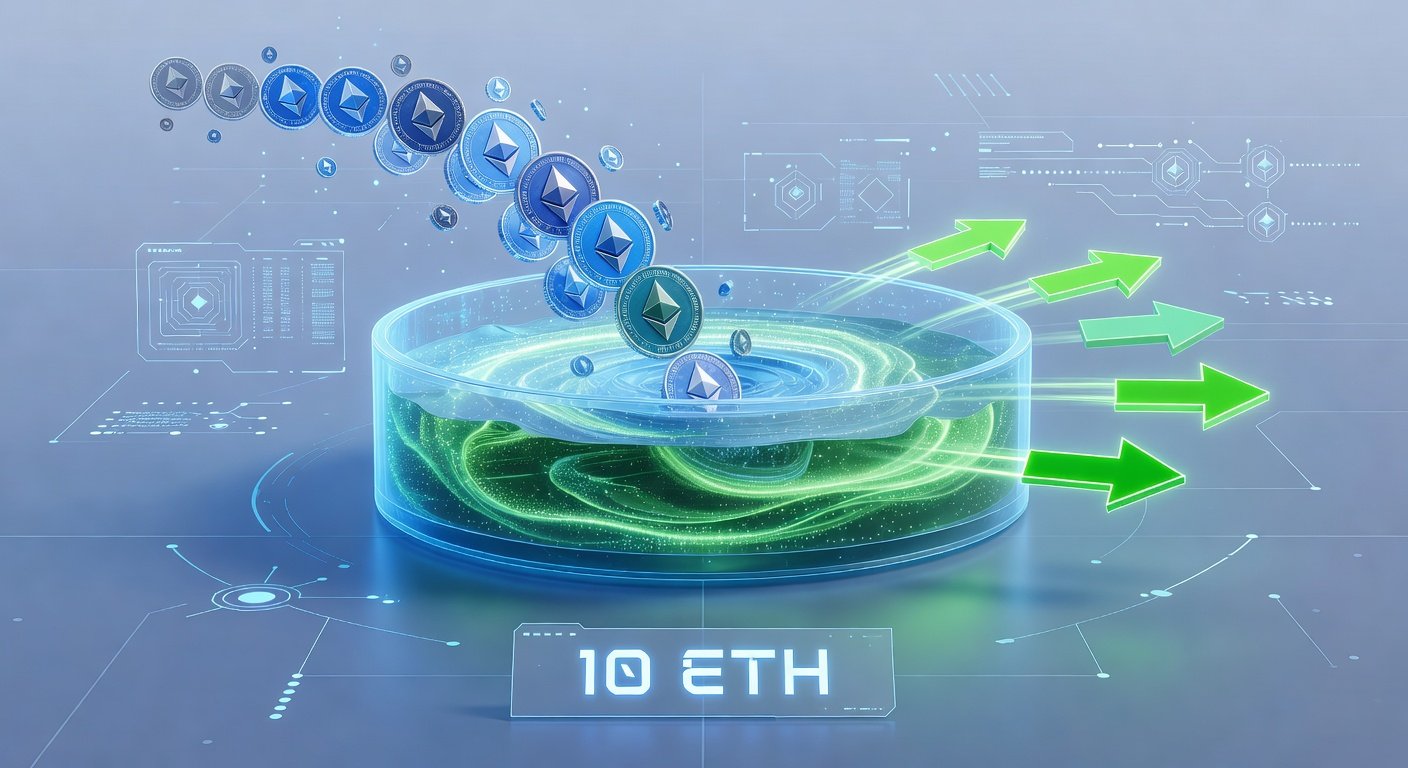
Liquid staking allows users to stake their assets, such as ETH, while receiving a tradable token that represents their staked position. This token can then be used across DeFi platforms for additional yield opportunities like lending or providing liquidity. Unlike conventional staking where assets are locked for periods, liquid staking maintains liquidity and flexibility throughout the process. The underlying mechanism involves delegating your tokens to professional validators who secure the network and earn rewards on your behalf. These rewards are automatically reflected in the value of your liquid staking derivative token, which grows in proportion to the staking performance. In practice, this means you never lose access to your capital even as it works to generate returns. Many protocols also incorporate governance features, allowing token holders to influence decisions about fee structures or validator selection, adding an extra layer of community-driven optimization in 2026.
Advantages Over Traditional Staking
Traditional staking often requires locking assets for weeks or months, exposing users to opportunity costs and potential penalties for early withdrawal. Liquid staking eliminates these barriers by issuing derivative tokens that remain fully usable in the broader ecosystem. Key advantages include immediate liquidity for trading or collateral, composability with other DeFi protocols, and the ability to compound returns more efficiently across multiple platforms simultaneously. For instance, users can stake ETH via liquid methods and simultaneously use the resulting tokens in yield farming strategies, effectively earning multiple layers of returns in 2026's dynamic market conditions. This flexibility proves especially valuable during periods of high volatility, where quick repositioning can protect capital or capture emerging opportunities without waiting for unstaking queues to clear.
Key Risks to Consider
While promising, liquid staking carries notable risks. Smart contract vulnerabilities could lead to loss of funds if exploited by malicious actors. Slashing events occur when validators misbehave or experience downtime, directly reducing the value of staked positions. Market volatility may also impact the value of liquid staking tokens relative to the underlying asset, creating basis risk for traders. Regulatory uncertainty around DeFi derivatives adds another dimension that users must monitor closely. Understanding these risks is essential before committing capital. Always review protocol audits and on-chain metrics for validator performance to make informed decisions in the current environment.
Step-by-Step Guide to Lido Finance
Lido remains one of the leading liquid staking platforms with deep integrations across major DeFi applications. To get started, connect your wallet to the official Lido interface and ensure you have sufficient ETH for gas fees and your desired stake amount. Select the quantity of ETH to deposit and review the estimated reward rate displayed on the dashboard. Confirm the transaction to receive stETH tokens in your wallet. These stETH can then be deployed in lending markets, liquidity pools, or leveraged strategies to boost overall returns. Advanced users often monitor reward distribution rates daily and consider bridging stETH across compatible chains for broader utility and diversified exposure in 2026.
Rocket Pool Tutorial for Decentralized Staking
Rocket Pool offers a more decentralized alternative that emphasizes permissionless node operation. Begin by acquiring a small amount of RPL tokens if participating as a node operator, or simply deposit ETH directly to receive rETH in return. The protocol automatically matches your deposit with independent node operators who run the validators, distributing rewards proportionally. Withdrawals are flexible and processed through the smart contract without long queues. This approach suits users seeking reduced centralization risks compared to larger pools. Practical tips include regularly checking node operator performance dashboards and participating in governance votes to influence protocol parameters over time.
Comparing APYs and Token Utilities in 2026
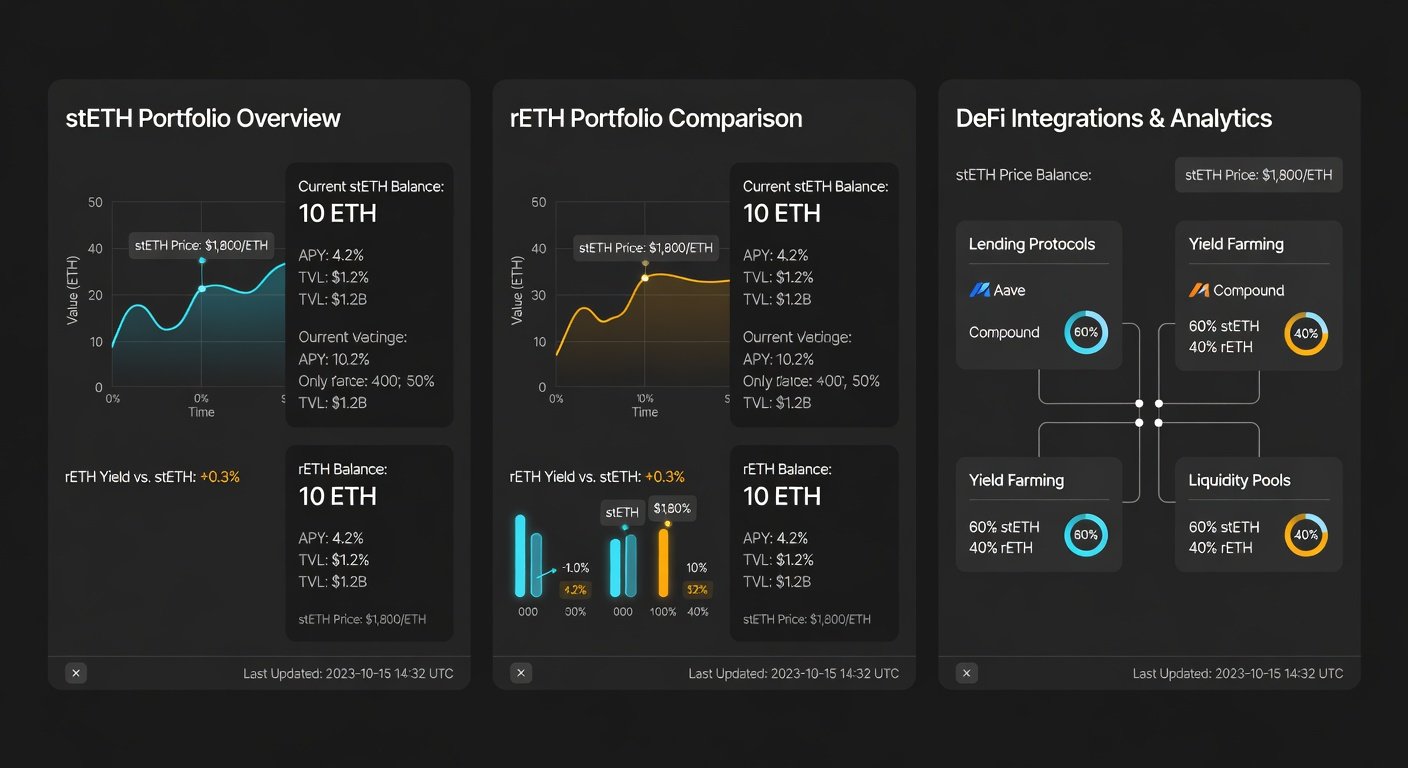
When evaluating liquid staking options, focus on token utility and sustainable yield sources rather than headline rates alone. stETH from Lido offers high liquidity on major exchanges and integrates seamlessly with lending protocols for extra yield layers. rETH from Rocket Pool provides exposure to a broader set of validators and often exhibits lower correlation risks due to its decentralized design. In 2026 market conditions, both tokens serve as collateral in derivatives platforms and automated vaults, allowing sophisticated users to stack returns through recursive strategies while maintaining the core staking benefit.
Real-World Examples of Compounding Returns
Consider a user who stakes 10 ETH through a liquid protocol and receives the corresponding derivative token. By supplying that token to a lending market, they earn additional interest on top of base staking rewards. Over several months, rotating portions into liquidity pools during favorable conditions can further amplify results. Another example involves using the liquid token as collateral for stablecoin borrowing, then redeploying the borrowed funds into new staking positions. These strategies highlight how liquid staking enables dynamic portfolio management without sacrificing the original yield stream.
Portfolio Integration and Best Practices
Integrate liquid staking tokens into diversified portfolios by allocating portions to automated yield aggregators or cross-chain bridges. Beginners should start with small test transactions to familiarize themselves with wallet interactions and gas optimization techniques. Use hardware wallets for larger holdings and enable transaction simulation tools to preview outcomes before confirming. Tracking performance through on-chain analytics helps identify when to rebalance as yields shift with network participation rates and market sentiment throughout 2026.
Risk Mitigation Checklist
- Review recent smart contract audits from reputable firms before depositing funds
- Diversify across multiple liquid staking protocols to reduce single-point exposure
- Monitor validator performance metrics and slashing history regularly via dashboards
- Set position size limits based on overall portfolio risk tolerance and volatility expectations
- Stay informed on regulatory developments affecting DeFi derivatives and staking rewards
- Test small withdrawals periodically to confirm liquidity and processing speed
Frequently Asked Questions
How are taxes handled with liquid staking?
Tax treatment varies by jurisdiction. Rewards are often considered taxable income upon receipt or when the derivative token is traded. Keep detailed records of acquisition costs and reward accruals. Consult a tax professional familiar with crypto regulations in your region.
Can I withdraw my assets at any time?
Yes, liquid staking enables withdrawals without traditional lock-up periods. Processing times depend on network conditions and protocol queues, but the derivative token can usually be sold instantly on secondary markets for immediate liquidity.
What happens during a slashing event?
Slashing reduces the underlying staked amount and correspondingly lowers the value of your liquid token. Protocols typically distribute losses across all participants proportionally, though some offer insurance mechanisms or reserves to cushion impacts.
Are there minimum staking amounts required?
Most liquid staking platforms have no strict minimum beyond gas fee considerations, making them accessible for smaller holders compared to running independent validators.
Conclusion
Liquid staking represents a flexible evolution in DeFi yield generation for 2026. By understanding protocols like Lido and Rocket Pool, assessing risks thoroughly, and applying sound strategies, users can optimize returns while preserving liquidity. Additional resources such as Ethereum's official staking documentation provide foundational knowledge. Explore these opportunities responsibly to align with your financial goals and stay updated on protocol developments.


No comments yet. Be the first!