 CryptoChain Blog

Introduction: The Accelerating Crypto Wave in Emerging Markets
In 2026, cryptocurrency adoption continues its rapid expansion in emerging economies, transforming financial landscapes where traditional banking remains limited. Driven primarily by the need for efficient remittances and greater financial inclusion, regions like Africa, Southeast Asia, and Latin America are leading this shift. This analysis examines key trends, real-world data, regulatory developments, and practical insights for investors seeking opportunities in these dynamic markets. Global reports highlight how blockchain technology is bridging gaps in access to finance, enabling peer-to-peer transactions without intermediaries. As mobile penetration rises, crypto serves as a practical solution for populations previously excluded from formal financial systems. The year 2026 marks a pivotal point where emerging markets are not merely catching up but often surpassing developed nations in grassroots adoption rates, thanks to innovative use cases tailored to local economic realities.
Key Drivers of Adoption: Remittances and Financial Inclusion
Remittances represent a cornerstone of crypto growth in emerging markets. Families rely on these cross-border transfers, and cryptocurrencies offer lower fees and faster settlement compared to conventional channels. In many households, these inflows support education, healthcare, and small businesses, making speed and cost-efficiency critical. Financial inclusion further accelerates usage, as millions gain access to digital wallets via smartphones, bypassing the need for physical bank branches that may be hours away. Mobile-first innovations, such as blockchain-based payment apps, empower users in rural areas to receive funds instantly and convert them to local currency at competitive rates. Local stablecoins pegged to regional currencies help mitigate volatility, providing a reliable store of value for everyday transactions and reducing exposure to sudden currency devaluations. These drivers create a virtuous cycle where increased adoption leads to more infrastructure development, attracting even more users seeking alternatives to high-cost traditional services.
Regional Breakdown: Africa, Southeast Asia, and Latin America
Africa leads with widespread use of crypto for cross-border payments, particularly in nations with high diaspora populations. Countries across the continent leverage decentralized networks to facilitate trade within the African Continental Free Trade Area, where crypto streamlines payments for goods moving between borders. Southeast Asia benefits from tech-savvy youth and e-commerce integration, with platforms embedding crypto options directly into popular marketplaces for seamless checkout experiences. Latin America sees adoption spike amid economic instability, where citizens turn to digital assets to preserve purchasing power during periods of high inflation. Statistics from authoritative sources underscore this momentum. Adoption rates in these regions outpace global averages, with mobile apps facilitating seamless conversions between crypto and local currencies. Each region presents unique nuances: Africa emphasizes community-based trading circles, Southeast Asia focuses on youth-driven DeFi experiments, and Latin America prioritizes stablecoin hedging strategies that align with local economic pressures.
Regulatory Shifts and Policy Developments
Governments in emerging markets are evolving their approaches to crypto. Progressive frameworks in several African and Asian countries encourage innovation while implementing consumer protections to safeguard against fraud. In Latin America, central banks explore digital assets alongside private cryptocurrencies, testing pilot programs that could integrate blockchain into national payment systems. These shifts create clearer pathways for businesses and users, though challenges like taxation and anti-money laundering rules persist. Investors should monitor updates from bodies such as the International Monetary Fund for balanced perspectives on policy impacts. Regulatory sandboxes in key markets allow startups to test products under supervision, fostering responsible growth while addressing concerns around capital flight and illicit activities. This evolving landscape rewards proactive compliance and local partnerships.
Mobile-First Payment Innovations and Stablecoin Usage
Smartphone penetration drives mobile-first solutions, with apps integrating crypto wallets directly into everyday commerce such as bill payments, ride-hailing services, and agricultural supply chains. Local stablecoins, often backed by fiat reserves, enable hedging against inflation and facilitate trade in volatile economies by maintaining consistent value. Examples include platforms allowing instant transfers for goods and services, reducing reliance on cash and minimizing theft risks during physical transport. These innovations enhance efficiency in supply chains and support small businesses entering digital marketplaces by offering transparent tracking and automated settlements. In practice, users in remote villages can now pay suppliers or receive wages through these apps without traveling to urban centers, democratizing access to financial tools previously reserved for city dwellers.
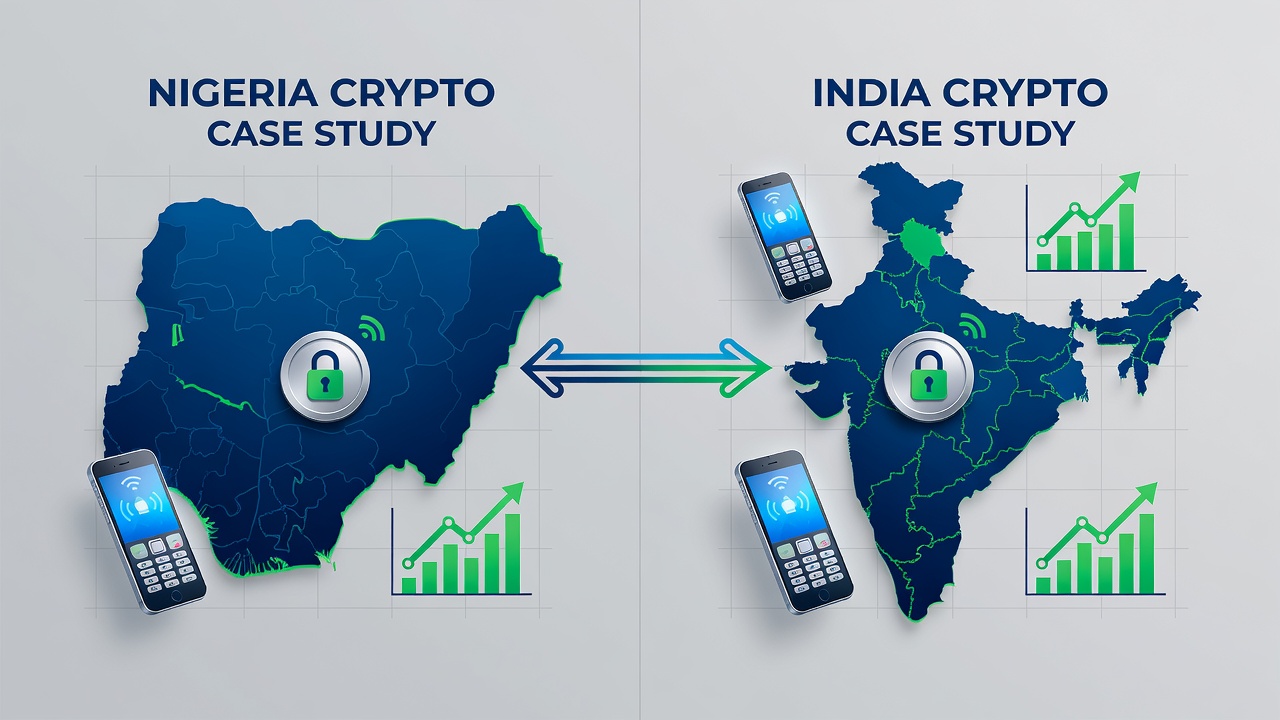
Case Studies: Nigeria and India
Nigeria exemplifies crypto's role in remittances, with widespread peer-to-peer trading sustaining adoption despite regulatory hurdles. Users leverage digital assets to preserve value and send funds abroad efficiently, often bypassing lengthy bank processing times. Local communities have formed trading networks that educate newcomers on wallet security and market timing, turning crypto into a community resource. In India, a booming tech ecosystem supports crypto integration in fintech, with startups building user-friendly interfaces that combine crypto with traditional banking features. Regulatory clarity has encouraged institutional interest, with platforms offering educational resources to onboard new users safely through webinars and in-app tutorials. These case studies reveal common themes of resilience and adaptation, where local entrepreneurs customize global technologies to fit cultural and economic contexts, resulting in sustained growth even amid external pressures.
Comparing Growth Rates: Emerging vs. Developed Markets
Emerging markets demonstrate significantly higher growth trajectories than developed economies. While mature markets focus on institutional adoption and derivatives trading, developing regions emphasize retail usage and practical applications like payments and micro-lending. Data comparisons reveal emerging economies achieving rapid increases in wallet activity, contrasting with steadier but slower progress elsewhere. This divergence highlights unique opportunities tied to demographic and economic factors, such as younger populations eager to adopt new technologies and large unbanked segments ready for digital leapfrogging. For further reading, consult resources from the World Bank and the Bank for International Settlements, which provide ongoing analysis of these contrasting dynamics and their implications for global financial stability.
Practical Investor Tips for Emerging Market Crypto
Navigating these markets requires a structured approach. Start with education on local regulations and market dynamics before committing capital, using free resources from regional fintech associations. Diversify across stablecoins and region-specific tokens to manage volatility while maintaining exposure to high-growth areas. Use reputable exchanges with strong security features and compliance standards, always enabling two-factor authentication and withdrawing to personal wallets for larger holdings. Monitor macroeconomic indicators like inflation rates that influence crypto demand, setting alerts for policy announcements that could shift sentiment overnight. Consider partnerships with local fintech firms for on-the-ground insights, which can reveal opportunities invisible in global reports. Additionally, maintain a long-term perspective by dollar-cost averaging small amounts regularly rather than attempting to time peaks, and keep detailed records for tax compliance. These steps help navigate risks while capitalizing on high-growth potential in 2026 and beyond.
FAQ: Risks and Opportunities in Volatile Regions
What are the main risks of investing in emerging market crypto?
Volatility, regulatory uncertainty, and infrastructure limitations pose challenges. Currency fluctuations can amplify losses, so risk management strategies such as position sizing and stop-loss orders are essential for protecting capital.
How do opportunities differ from developed markets?
Emerging regions offer higher adoption velocity and untapped user bases, presenting early-mover advantages in payments and remittances sectors that may already be saturated elsewhere.
Are stablecoins a safer entry point?
Yes, local stablecoins reduce exposure to price swings while enabling participation in digital economies, though users must verify reserve transparency and issuer reputation.
What role does technology play in mitigating risks?
Advances in mobile security and blockchain transparency help build trust and reduce fraud in these markets by providing verifiable transaction histories accessible via basic smartphones.
How can beginners avoid common pitfalls?
Beginners should avoid leverage trading initially, focus on education before investment, and never invest more than they can afford to lose while gradually building knowledge through community forums and official guides.
Conclusion
The 2026 crypto boom in emerging markets signals a transformative era for global finance. By understanding regional nuances, regulatory landscapes, and practical strategies, investors can position themselves effectively amid this growth. Continued innovation in mobile payments and stablecoins will likely sustain momentum, fostering broader economic participation worldwide and reshaping how value moves across borders in the coming years.


No comments yet. Be the first!