 CryptoChain Blog
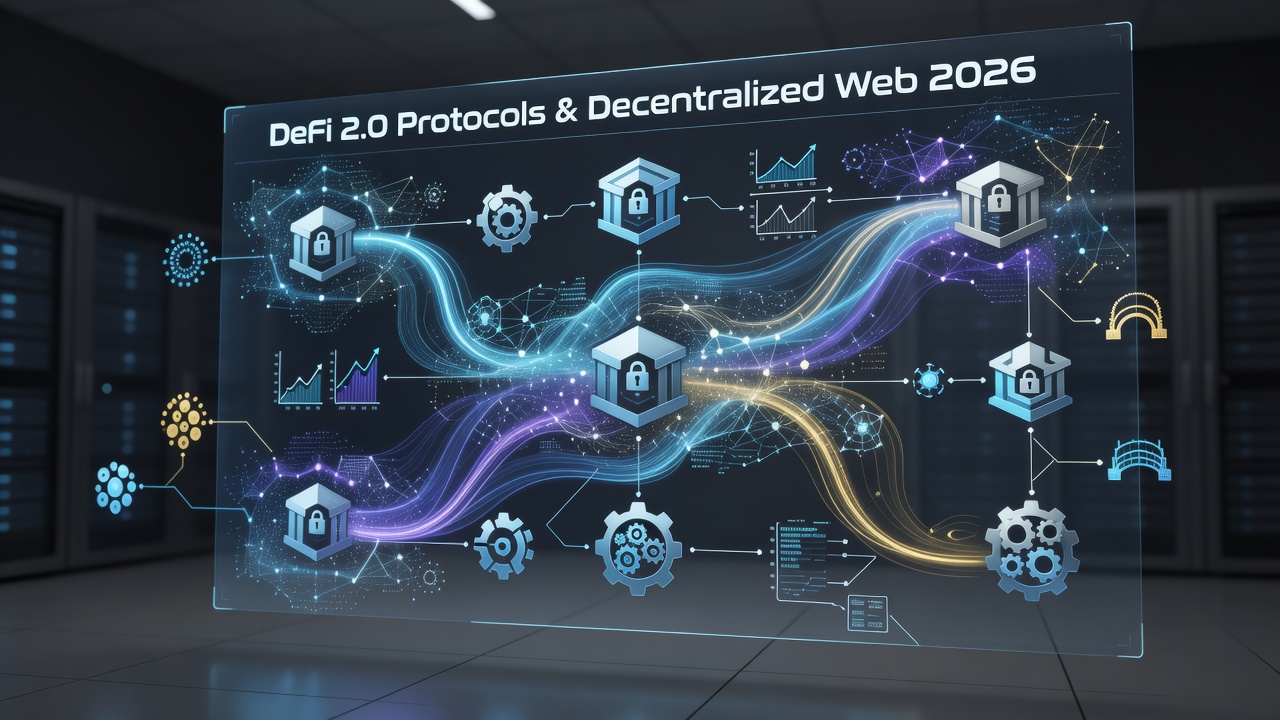
Introduction to DeFi 2.0 in the Decentralized Web
DeFi 2.0 represents the next evolution of decentralized finance, deeply intertwined with web3 trends that emphasize greater efficiency, accessibility, and integration across the decentralized web. As we move into 2026, these protocols are transforming how users interact with financial services without intermediaries. This guide walks beginners to intermediate users through key innovations, practical adoption steps, and comparisons to legacy systems.
Building on the foundations of early DeFi, DeFi 2.0 focuses on sustainable mechanisms that address previous limitations like impermanent loss and fragmented liquidity. Platforms are now leveraging advanced smart contracts to enable seamless interactions across multiple chains. The decentralized web provides the infrastructure for these protocols to operate in a more interconnected manner, allowing data and value to flow freely between applications. This shift aligns perfectly with broader web3 trends toward user ownership and permissionless innovation.
The Evolution from DeFi 1.0 to DeFi 2.0
Legacy DeFi protocols from the first wave often suffered from high volatility, limited scalability, and isolated ecosystems. DeFi 2.0 builds upon these by introducing self-repaying loans, liquidity as a service models, and enhanced governance mechanisms. Users now benefit from protocols that automatically adjust parameters based on real-time network conditions. For instance, early lending platforms required manual interventions, whereas modern versions use predictive analytics to optimize positions proactively.
Comparisons highlight how DeFi 2.0 reduces reliance on centralized oracles by incorporating decentralized alternatives, leading to more resilient systems. This evolution supports the decentralized web's goal of creating a truly open financial layer on top of blockchain networks.
Advanced Yield Optimization Strategies
Yield optimization in DeFi 2.0 goes beyond simple staking. Protocols now use dynamic algorithms to rebalance assets in real time, maximizing returns while minimizing risks. For example, users can automate strategies that shift funds between lending pools based on market conditions. These tools often integrate machine learning models trained on historical on-chain data to forecast optimal entry and exit points.
Step-by-step adoption begins with selecting a compatible wallet and verifying network compatibility. Next, users review vault strategies through transparent dashboards that display historical performance metrics. Depositing assets involves approving smart contract interactions, followed by monitoring via mobile apps or web interfaces. Users should also set alerts for significant deviations in expected yields. Finally, withdrawing requires confirming transaction details to avoid unnecessary fees. Always start with small test transactions to understand gas fees and slippage on your chosen chain.
Cross-Protocol Composability Explained
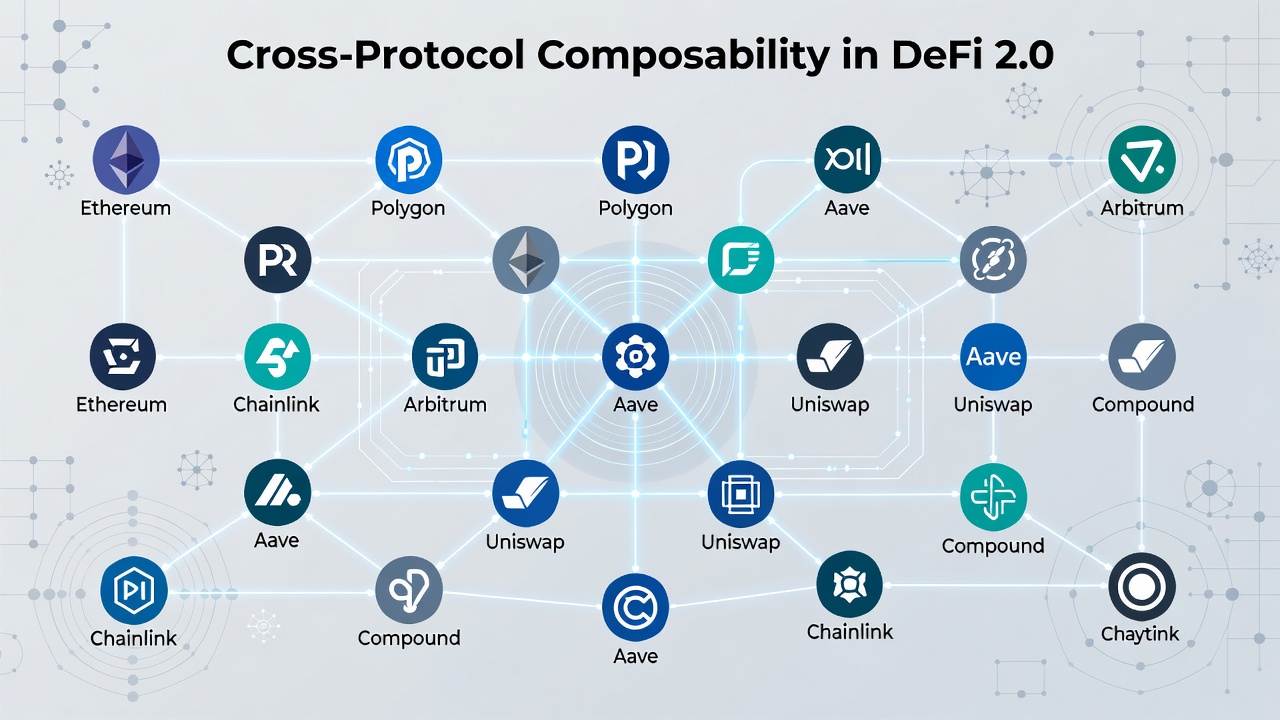
One of the standout web3 trends is composability, allowing protocols to plug into each other like building blocks. This creates powerful new products, such as combining lending with derivatives trading in a single transaction flow. In practice, a user might deposit collateral on one platform, borrow assets, and immediately use those assets on another protocol for leveraged strategies without intermediate withdrawals.
Comparisons to legacy protocols show stark differences: older versions operated in silos, leading to inefficiencies, while emerging DeFi 2.0 systems support atomic composability for better capital efficiency. This interoperability extends the reach of the decentralized web by enabling complex financial primitives that were previously impossible in isolated environments.
Risk Management Innovations
DeFi 2.0 introduces real-time risk oracles and insurance modules powered by decentralized web technologies. These tools provide users with automated alerts and hedging options against smart contract vulnerabilities or market volatility. Platforms now embed on-chain insurance pools that automatically cover losses from exploits up to predefined limits, with claims processed through decentralized governance votes.
Practical tips include diversifying across protocols, using multi-signature wallets, and regularly auditing positions with third-party tools. Users should also review protocol audits from reputable firms and participate in bug bounty programs where available. Case studies from 2026 implementations highlight platforms integrating with Ethereum for enhanced security layers and Chainlink for reliable price feeds that reduce manipulation risks.
Case Studies of Successful 2026 Implementations
Leading platforms have demonstrated DeFi 2.0 success through live deployments. One notable example involves a yield aggregator that achieved higher returns via cross-chain strategies, serving thousands of users globally by automatically routing liquidity to the highest-performing pools. Another case focuses on a composable lending protocol that reduced liquidation risks through predictive modeling, allowing users to maintain positions during market dips without forced closures.
These implementations underscore the shift toward user-centric designs aligned with current web3 trends, showing measurable improvements in user retention and total value locked compared to earlier versions.
Mistakes to Avoid When Adopting DeFi 2.0 Tools
Common pitfalls include ignoring gas fee fluctuations during high network activity and failing to understand the full scope of smart contract permissions granted. Beginners often overlook the importance of reading protocol documentation thoroughly before depositing funds. Another frequent error is concentrating all assets in a single strategy without considering correlation risks across different chains. Always maintain a diversified portfolio and use hardware wallets for larger holdings to enhance security.
FAQ: Security, Regulations, and Common Concerns
- How secure are DeFi 2.0 protocols? They incorporate audited contracts and insurance pools, but users should enable two-factor authentication and avoid sharing private keys.
- What about regulatory shifts in 2026? Global frameworks are evolving; staying informed via official sources helps navigate compliance.
- Is DeFi 2.0 suitable for beginners? Yes, with guided interfaces and educational resources available on platforms.
- How do fees compare to traditional finance? DeFi 2.0 often features lower ongoing costs but requires awareness of variable transaction fees on underlying networks.
Conclusion
DeFi 2.0 protocols are central to web3 trends shaping finance in 2026. By embracing composability, optimization, and robust risk tools, users can participate more effectively in the decentralized web. Start exploring today with small steps to build confidence and experience the benefits firsthand.
No comments yet. Be the first!