 CryptoChain Blog
Introduction to Stablecoin Dynamics in 2026
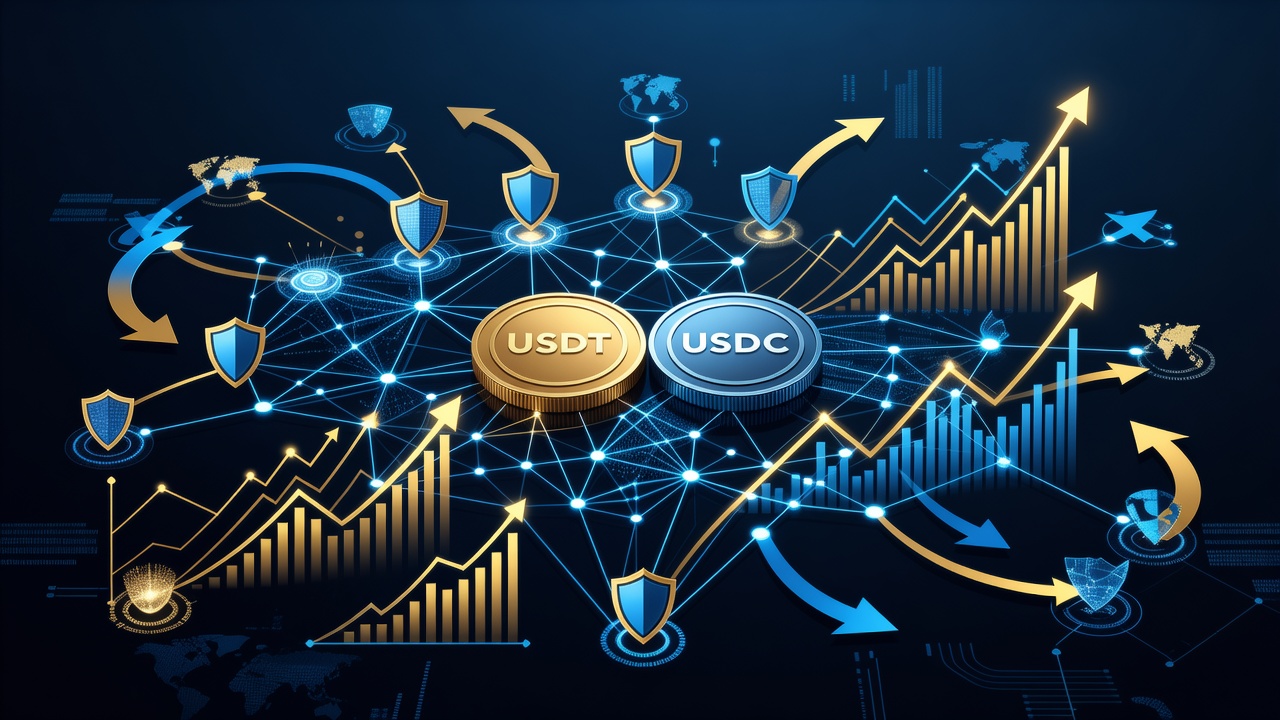
The cryptocurrency landscape continues to evolve rapidly, with stablecoins playing an increasingly central role in bridging traditional finance and decentralized ecosystems. As of mid-2026, these assets provide price stability amid broader market volatility while enabling efficient transactions, liquidity provision, and cross-border transfers. This analysis examines key drivers shaping the stablecoin sector, including regulatory developments, institutional participation, and technological integrations that are reshaping how value moves across global networks. Investors and institutions alike are turning to stablecoins for their utility in preserving value and facilitating seamless operations within blockchain networks. Understanding these dynamics is essential for anyone navigating the crypto space effectively, as stablecoins now underpin everything from everyday payments to complex DeFi strategies. Their growth reflects broader trends toward digitization of finance, where speed, transparency, and accessibility become competitive advantages over legacy systems.
Regulatory Shifts Impacting Stablecoins
Regulatory frameworks have undergone significant updates in 2026, influencing how stablecoins operate globally. Governments and financial authorities are focusing on reserve requirements, transparency mandates, and consumer protections. These changes aim to mitigate risks associated with opaque backing mechanisms while fostering innovation in digital payments. For instance, enhanced oversight from bodies like the U.S. Securities and Exchange Commission has prompted issuers to adopt stricter compliance standards. This regulatory clarity is expected to reduce systemic risks and encourage broader adoption across financial institutions. Additional guidance from international organizations such as the Bank for International Settlements emphasizes harmonized standards for cross-jurisdictional operations, helping issuers navigate varying rules in Europe, Asia, and the Americas. As a result, many stablecoin projects now publish detailed compliance reports quarterly, building greater trust among both retail and institutional users.
Institutional Inflows and Market Growth
Institutional capital continues to flow into stablecoins, driven by their role as a reliable on-ramp and off-ramp for crypto trading and treasury management. Major financial players are integrating these assets into diversified portfolios to hedge against volatility in other cryptocurrencies. This influx supports deeper liquidity pools and more robust infrastructure, benefiting retail investors through improved access and reduced transaction costs in various ecosystems. Hedge funds and asset managers increasingly allocate portions of their digital asset holdings to stablecoins during uncertain periods, viewing them as cash equivalents that can be deployed quickly when opportunities arise. Corporate treasuries are also adopting them for international settlements, streamlining processes that previously required multiple banking intermediaries.
Cross-Border Payment Adoption
Stablecoins are gaining traction in international remittances and trade settlements due to their speed and lower fees compared to traditional banking systems. Emerging markets particularly benefit from this efficiency, enabling faster value transfer without intermediaries. Businesses leveraging stablecoins for global operations report streamlined processes and enhanced financial inclusion for underserved regions. In practice, a company in Southeast Asia can receive payments from European clients in USDC within minutes rather than days, reducing currency conversion losses and operational friction. This adoption is further accelerated by partnerships between stablecoin issuers and payment processors seeking to modernize legacy remittance corridors.
Comparing Major Stablecoins: USDT, USDC, and Algorithmic Variants
USDT remains the dominant stablecoin by market presence, backed primarily by fiat reserves and widely used across exchanges. USDC, issued by Circle, emphasizes transparency through regular attestations and appeals to institutional users seeking regulatory alignment. Algorithmic stablecoins introduce innovative mechanisms that maintain pegs via smart contracts and incentives, though they carry unique risks related to market confidence and collateral dynamics. Each variant serves distinct use cases based on risk tolerance and operational needs. For example, traders on high-volume exchanges often prefer USDT for its deep liquidity, while enterprises handling regulated transactions lean toward USDC. Algorithmic options attract yield farmers looking for automated rebalancing features, but they require close monitoring of collateral ratios to avoid depegging events seen in past cycles.
Volatility Metrics and Reserve Transparency Audits
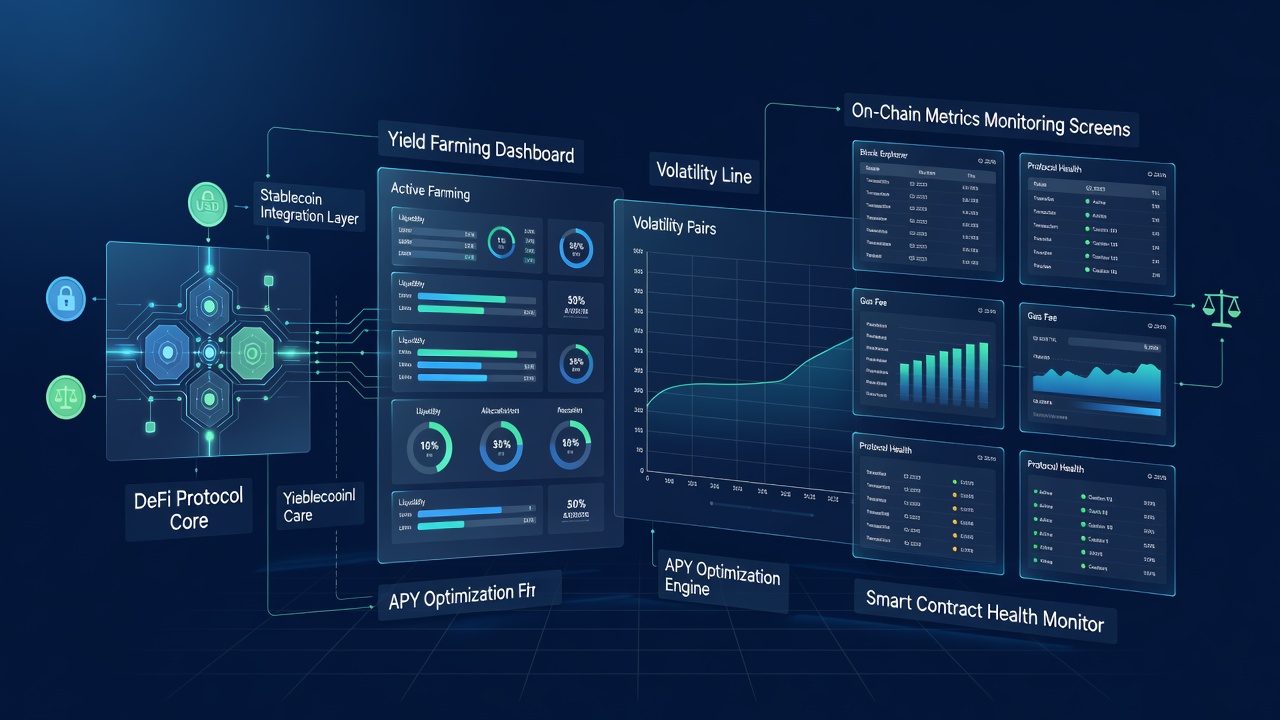
Monitoring volatility involves tracking metrics such as peg deviation, trading volume fluctuations, and correlation with broader market movements. Regular reserve audits, conducted by independent firms, provide assurance regarding asset backing and help maintain user trust. These audits typically cover cash equivalents, treasuries, and other liquid assets, offering a clear picture of solvency and operational integrity. Users can access public dashboards that display real-time deviation percentages and historical audit summaries, allowing proactive risk management. Transparency reports often include breakdowns by asset class, geographic exposure, and maturity profiles, giving stakeholders a comprehensive view beyond simple attestation letters.
Integration with DeFi Protocols for Yield Opportunities
Stablecoins integrate seamlessly with decentralized finance platforms, enabling users to earn yields through lending, liquidity provision, and other strategies. This creates passive income streams while maintaining the stability of the underlying asset. Participants must evaluate protocol risks, smart contract vulnerabilities, and market conditions before committing funds to maximize returns responsibly. Common approaches include supplying stablecoins to lending pools for interest or providing liquidity to automated market makers, where fees accumulate over time. Advanced users combine these with leveraged positions or automated compounding tools to enhance returns, always maintaining buffers against liquidation thresholds.
Practical Portfolio Allocation Strategies
Effective allocation might involve dedicating 10-30% of a crypto portfolio to stablecoins for liquidity and risk management. Diversifying across multiple issuers reduces concentration risk, while periodic rebalancing aligns with changing market conditions. Examples include using stablecoins as a buffer during bear markets or as collateral for leveraged positions in bull runs, always aligned with individual risk profiles. A conservative investor might split holdings evenly between USDT and USDC, rotating portions into algorithmic variants only after thorough due diligence. Rebalancing quarterly based on on-chain supply trends and regulatory news helps maintain optimal exposure without excessive trading activity.
Step-by-Step Guidance on Monitoring On-Chain Metrics
- Identify key data sources such as blockchain explorers and analytics dashboards from reputable providers.
- Track metrics like total supply changes, transfer volumes, and holder distribution patterns over multiple timeframes.
- Set alerts for unusual activity, including large outflows or peg deviations exceeding 0.5 percent.
- Analyze trends over time to detect emerging patterns and inform decisions about entry or exit points.
- Combine on-chain data with off-chain news for a holistic view that accounts for both technical and fundamental factors.
- Review wallet concentration metrics to assess potential manipulation risks from large holders.
Expert Forecasts for the Stablecoin Sector
Analysts project continued expansion driven by technological advancements and mainstream acceptance. Forecasts highlight potential for stablecoins to capture a larger share of global payment volumes, particularly as interoperability improves across chains. Challenges around scalability and evolving regulations remain focal points for ongoing development. Many experts anticipate that integration with central bank digital currency pilots will further legitimize the sector, creating hybrid models that blend private innovation with public oversight. This evolution could lead to new use cases in tokenized real-world assets and programmable money features.
Common Mistakes to Avoid When Engaging with Stablecoins
- Over-concentrating holdings in a single issuer without diversification.
- Ignoring reserve audit reports or transparency disclosures before large allocations.
- Chasing high yields in DeFi without assessing smart contract and liquidation risks.
- Failing to monitor on-chain flows during periods of regulatory announcements.
FAQ: Addressing Common Investor Concerns
What are the primary stability risks with stablecoins?
Stability risks stem from reserve mismanagement, regulatory actions, or loss of market confidence, which can lead to temporary depegging events. Investors should prioritize assets with proven track records and independent verification.
How do reserve audits enhance trust?
Independent audits verify that issued stablecoins are fully backed by equivalent assets, promoting transparency and reducing counterparty risks. Regular publication of these reports allows ongoing evaluation by the community.
Are algorithmic stablecoins suitable for conservative portfolios?
They offer innovation but introduce additional complexities; conservative investors often prefer fiat-backed options with proven track records and lower volatility profiles.
What tools are best for tracking stablecoin metrics?
Popular options include on-chain analytics platforms that aggregate data from multiple blockchains, providing visualizations and alerts tailored to stablecoin-specific indicators.
Conclusion
The stablecoin market in 2026 presents both opportunities and considerations for participants across the crypto ecosystem. By staying informed on regulations, leveraging analytical tools, and applying sound allocation principles, investors can navigate this dynamic sector effectively and position themselves for sustainable participation in the evolving digital economy.


No comments yet. Be the first!