 CryptoChain Blog

Introduction to Cross-Chain DeFi in 2026
As the multi-chain ecosystem expands, users need reliable ways to move assets like ETH between blockchains without compromising security. This guide covers everything intermediate DeFi participants require to bridge and swap safely, focusing on proven protocols and best practices as of 2026.
Cross-chain bridges enable interoperability, but choosing the right one is critical to avoid common pitfalls. We'll explore bridge mechanisms, compare leading solutions, and provide actionable tutorials.
Understanding Bridge Types
Bridges generally fall into three categories: liquidity pool-based, light client verification, and optimistic rollup-style bridges. Liquidity pool bridges rely on locked assets and incentives for liquidity providers. Light client bridges use on-chain verification of the source chain's state for maximum trustlessness. Optimistic bridges assume validity by default and use fraud proofs for disputes.
Top Protocols in 2026
Leading solutions include LayerZero V3, which offers omnichain messaging with enhanced security features. Hyperlane emphasizes modular interoperability across chains. Across V2 provides fast, capital-efficient transfers using optimistic assumptions and relayers.
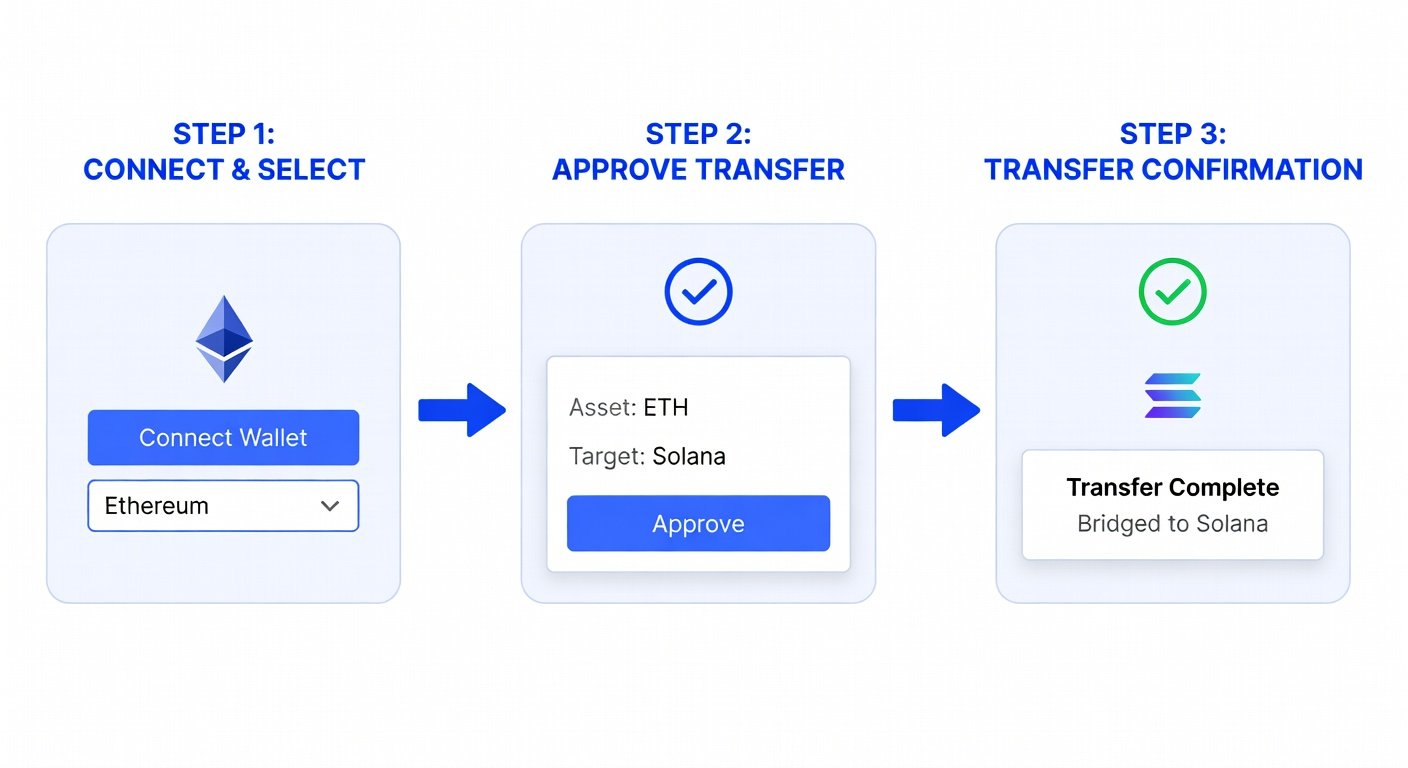
Step-by-Step: Bridging ETH to Solana
- Connect a compatible wallet such as Phantom or MetaMask to the source chain.
- Select a supported bridge protocol and approve token access.
- Enter the amount, review estimated fees and arrival time, then confirm the transaction.
- Monitor the destination wallet on Solana for receipt after finality.
Arbitrum Swaps via Cross-Chain Bridges
For ETH to Arbitrum transfers, users can leverage Across V2 for near-instant finality. Always verify contract addresses and enable transaction simulation in your wallet beforehand.
Fee, Speed, and Security Comparison
| Protocol | Avg. Fee (2026) | Transfer Time | Security Model |
|---|---|---|---|
| LayerZero V3 | Low | 1-5 minutes | Light client + oracles |
| Hyperlane | Medium | 2-10 minutes | Modular validators |
| Across V2 | Very low | Under 1 minute | Optimistic + insured pools |
Risk Mitigation and Real-World Examples
Always use insured bridges with coverage from providers like Nexus Mutual. A notable 2024 exploit on a lesser-known bridge was avoided by users who stuck to audited protocols with bug bounties. Enable multi-signature wallets and review all approvals carefully.
Wallet Setup Tips
- Use hardware wallets for large transfers.
- Double-check network settings before signing.
- Keep small test amounts for first-time bridges.
FAQ
What happens if a transaction fails?
Funds typically return to the source wallet after the timeout period. Check the bridge dashboard for status and contact support if needed.
How do I recover stuck assets?
Most protocols provide a refund mechanism. Document the transaction hash and reach out via official channels.
In conclusion, prioritizing audited, insured bridges ensures safe cross-chain activity. Stay informed on protocol updates to navigate 2026's DeFi landscape effectively.
No comments yet. Be the first!