 CryptoChain Blog
Introduction to DeFi Leverage in 2026
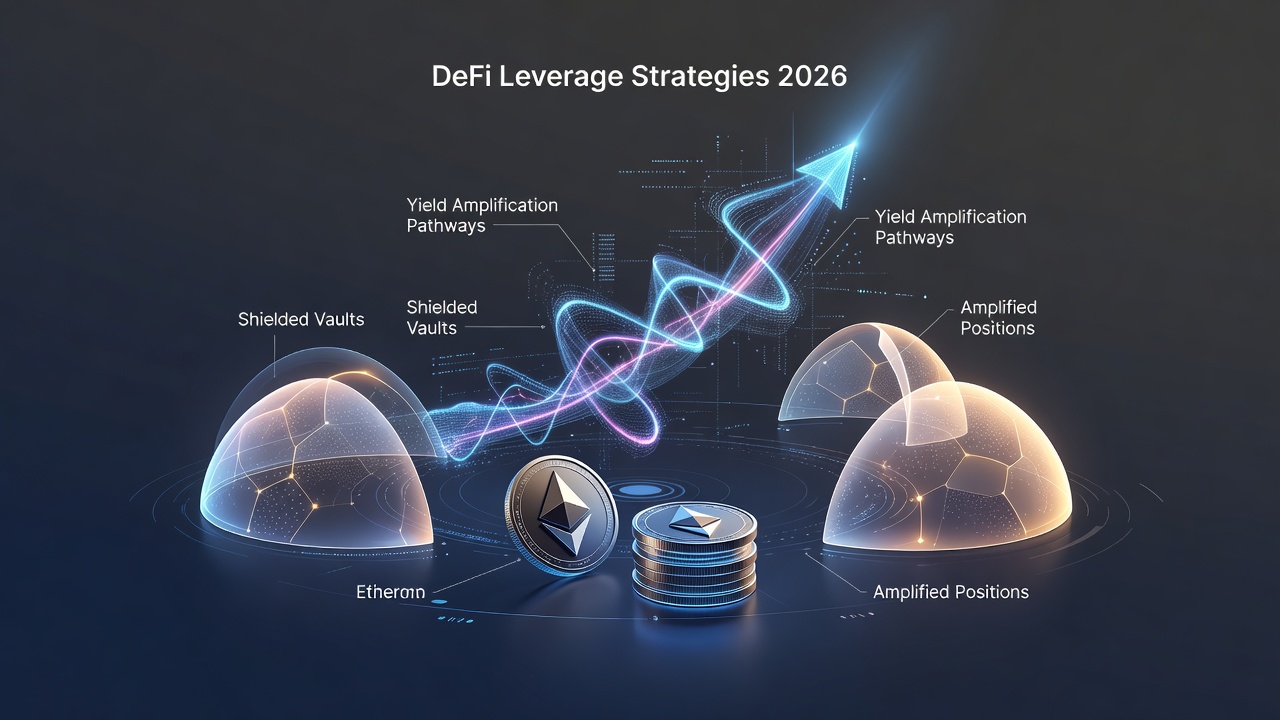
Intermediate DeFi users increasingly turn to leverage to enhance returns on lending and derivatives protocols. This comprehensive guide explores core mechanics, optimal collateral selection, and integration with leading platforms while minimizing liquidation risks. With evolving market conditions as of 2026-08-09, understanding these strategies helps users amplify yields responsibly without exposing themselves to unnecessary downside. Leverage can multiply both gains and losses, making education essential before deployment.
Core Mechanics of Leveraged Positions
Leverage in DeFi allows borrowing assets against collateral to open larger positions. The position size depends on the loan-to-value ratio and the protocol's liquidation thresholds. Users must monitor health factors continuously to avoid forced closures during volatility. In practice, a leveraged position starts with depositing collateral, borrowing against it, and then using the borrowed funds to increase exposure in lending pools or perpetual futures. The key metric is the health factor, which drops as asset prices move unfavorably. When it reaches one, liquidation begins automatically. Understanding these mechanics prevents common errors such as ignoring oracle price feeds that determine valuations in real time.
Selecting Optimal Collateral Ratios
Choosing the right collateral ratio balances yield potential against risk. Conservative ratios near 150% provide buffers against sudden market swings, while aggressive approaches dip toward 120% for higher exposure. Always factor in asset volatility and protocol-specific parameters. For example, using stablecoins as collateral offers lower volatility but reduced yield amplification compared to volatile assets like ETH. Users should calculate the maximum drawdown their portfolio can withstand before the health factor triggers liquidation. Testing different ratios in simulation environments helps identify personal risk tolerance levels before committing real capital.
Integrating with Top Platforms
Leading protocols in 2026 offer robust lending and perpetual futures markets. Users benefit from checking aggregated data on DeFiLlama before committing capital. Ethereum-based platforms remain central for composability, allowing seamless movement between protocols. Additional considerations include gas fees on different chains, supported asset lists, and historical uptime records. Many users combine multiple platforms to diversify exposure and reduce single-point-of-failure risks.
Step-by-Step Position Setup
- Connect a compatible wallet to the chosen protocol and ensure sufficient gas tokens for transactions.
- Deposit approved collateral assets after reviewing current market prices and liquidity depth.
- Select leverage multiplier and confirm parameters including interest rates and liquidation thresholds.
- Monitor position health via dashboard alerts and set automated notifications for key levels.
- Adjust or close as market conditions shift, using partial reductions to manage risk dynamically.
- Document each step including entry prices and expected yields for later performance review.
Real-World Yield Calculations with 2026 Examples
Yield amplification combines base lending rates with leveraged exposure. For instance, a conservative 2x position on stablecoin lending can double effective returns while accounting for borrowing costs. Users should recalculate frequently using on-chain analytics tools. Consider a scenario where base yields sit at moderate levels: applying 3x leverage on a derivatives position may increase returns substantially but also magnifies any adverse funding rate movements. Always subtract fees, borrow interest, and potential slippage from gross figures to arrive at net yields. Regular recalculation accounts for changing market dynamics throughout 2026.
Isolated vs Cross-Margin Approaches
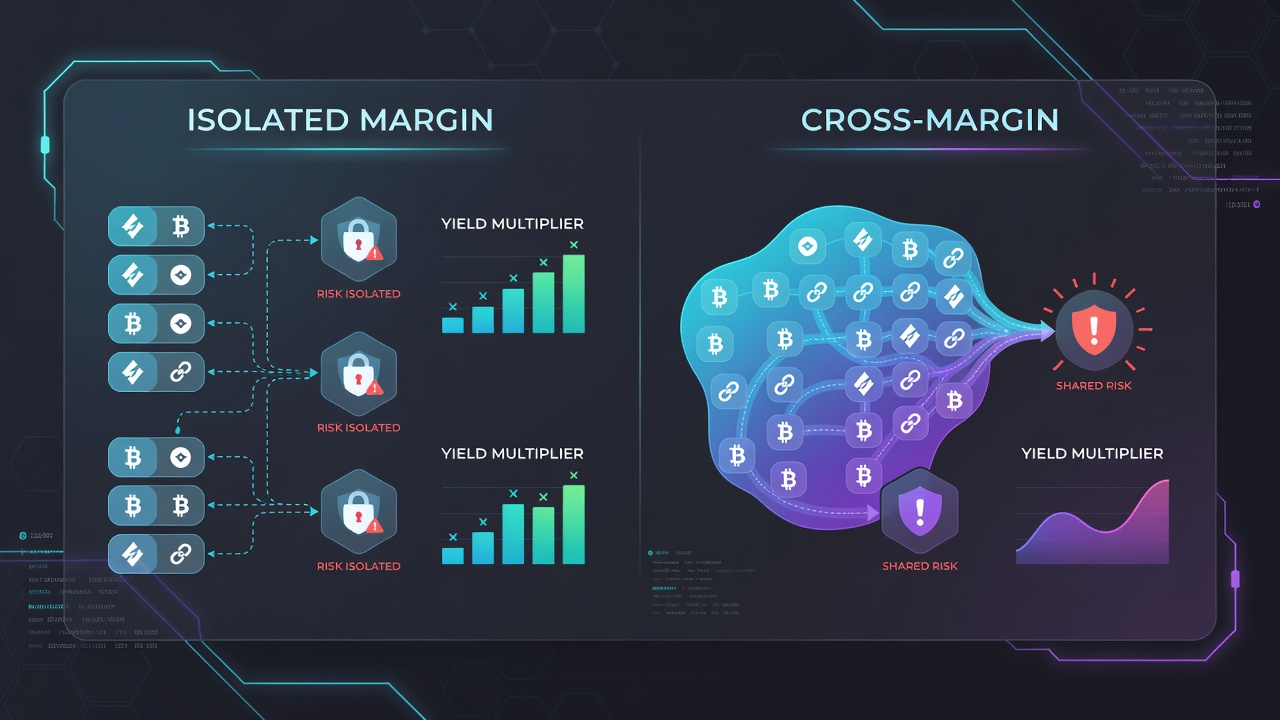
Isolated margin limits risk to a single position, ideal for targeted trades where users want clear separation between strategies. Cross-margin shares collateral across multiple positions for greater flexibility but increases systemic exposure if one trade moves sharply against the portfolio. Compare both based on portfolio size and risk tolerance. Isolated approaches suit beginners testing leverage for the first time, while cross-margin benefits experienced traders managing correlated assets. The choice also depends on whether the protocol allows easy migration between margin modes without closing positions.
Automated Monitoring Tools
Tools that track funding rates and liquidation prices help maintain positions. Set custom alerts for threshold breaches to enable timely interventions without constant manual oversight. Many platforms integrate with third-party dashboards that aggregate data across protocols, providing unified views of health factors and yield projections. Users can also employ smart contract-based bots for automatic deleveraging when predefined conditions are met, though these require careful configuration to avoid unintended actions during flash events.
Common Pitfalls and How to Avoid Them
- Funding rate volatility can erode profits in perpetual markets—monitor rates closely and consider hedging with spot positions when rates turn persistently negative.
- Over-leveraging during low-volatility periods leads to sudden liquidations when unexpected news arrives; maintain conservative buffers even when markets appear calm.
- Ignoring smart contract risks; always review audits from reputable firms and avoid protocols with recent exploits or unverified code changes.
- Failing to account for liquidation cascades where multiple users face simultaneous margin calls, amplifying price movements beyond initial expectations.
Practical FAQ
What regulatory considerations apply?
Users should consult local guidelines, as DeFi leverage may fall under evolving securities or derivatives rules in various jurisdictions. Resources like Ethereum.org provide foundational context on decentralized systems. Staying informed about potential tax implications and reporting requirements helps avoid future compliance issues when positions generate significant returns.
How do exit strategies work?
Gradual deleveraging and partial position closures reduce impact from slippage. Plan exits around liquidity windows and use limit orders where available. Consider scaling out in tranches during periods of high volume to minimize market impact and preserve as much of the amplified yield as possible.
What happens during extreme market events?
Black swan scenarios can trigger mass liquidations across protocols. Maintaining diversified collateral and lower leverage ratios provides breathing room. Some users keep reserve capital in stable assets outside leveraged positions specifically for such contingencies.
Conclusion
Mastering DeFi leverage in 2026 requires balancing ambition with disciplined risk controls. By focusing on collateral management, platform selection, and continuous monitoring, users can pursue amplified yields while safeguarding capital. Regular education and adaptation to new protocol features will remain essential as the ecosystem matures.

No comments yet. Be the first!