 CryptoChain Blog
Introduction to On-Chain Credit in DeFi
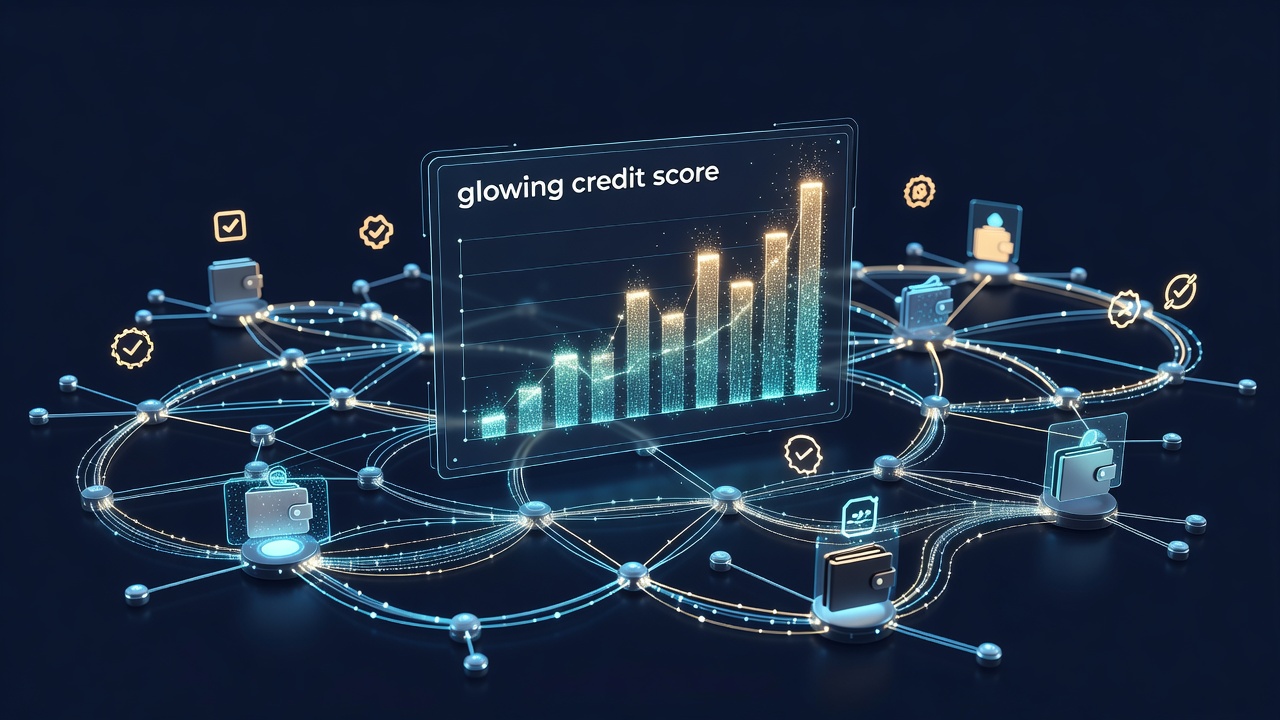
Decentralized finance continues to evolve rapidly in 2026, and on-chain credit scoring has emerged as a transformative innovation for users seeking better loan terms. This how-to guide delves into emerging reputation systems that allow participants to build verifiable credit profiles directly on blockchain networks. By leveraging transaction history, collateral behavior, and repayment patterns, users can access superior lending rates without traditional credit checks. Advanced defi strategies now prioritize these systems to optimize borrowing outcomes across protocols. This comprehensive resource covers protocols such as Goldfinch and Cred Protocol in depth, provides step-by-step methods for building scores across chains, compares scoring models, shares real-world case studies, and outlines risk considerations with practical mitigation tactics. Whether you are new to defi guides or refining existing approaches, the actionable tips here will help you navigate 2026 lending landscapes effectively.
On-chain credit removes intermediaries by creating transparent, immutable records of user behavior. Lenders can assess risk more accurately, often resulting in lower APRs for borrowers with strong profiles. This shift empowers individuals to control their financial reputation through consistent, positive actions on public ledgers.
Understanding Key Protocols: Goldfinch and Cred Protocol
Goldfinch has established itself as a pioneer in real-world asset lending supported by on-chain reputation mechanisms. The protocol analyzes borrower history, including transaction frequency, repayment timeliness, and collateral management practices, to assign creditworthiness levels. Users with proven track records gain access to dedicated pools with favorable conditions. Cred Protocol builds on similar principles but focuses on portable scores that travel across ecosystems, enabling seamless application of reputation data between different lending markets and chains.
Both protocols convert raw blockchain events into quantifiable scores. Factors like consistent repayments over multiple cycles boost profiles, while events such as forced liquidations or defaults lower them. Understanding these weighting systems is essential for anyone pursuing advanced defi strategies. Goldfinch offers detailed documentation on how reputation influences pool access. Ethereum.org provides foundational context on how smart contracts enable such automated evaluations across networks. Integration with these tools allows users to monitor and improve scores proactively.
Step-by-Step Methods to Build Verifiable Reputation Across Chains
Constructing a robust on-chain credit profile demands consistent effort and strategic planning. Here is an expanded, actionable process tailored for 2026 users:
- Initiate with a dedicated primary wallet: Begin by creating a new address exclusively for reputation-building activities. Avoid mixing it with speculative trading or high-risk experiments to keep the history clean and focused.
- Engage repeatedly with established lending protocols: Start small by borrowing modest amounts on platforms that report to reputation systems. Repay ahead of schedule whenever possible to generate positive signals that algorithms reward.
- Expand across multiple chains thoughtfully: Bridge assets to networks like Polygon or Arbitrum after establishing baseline activity on Ethereum. Demonstrate diversified yet responsible usage to show reliability in varied environments.
- Optimize collateral strategies: Maintain conservative loan-to-value ratios and rebalance positions before market volatility triggers issues. Track how each adjustment affects your emerging score.
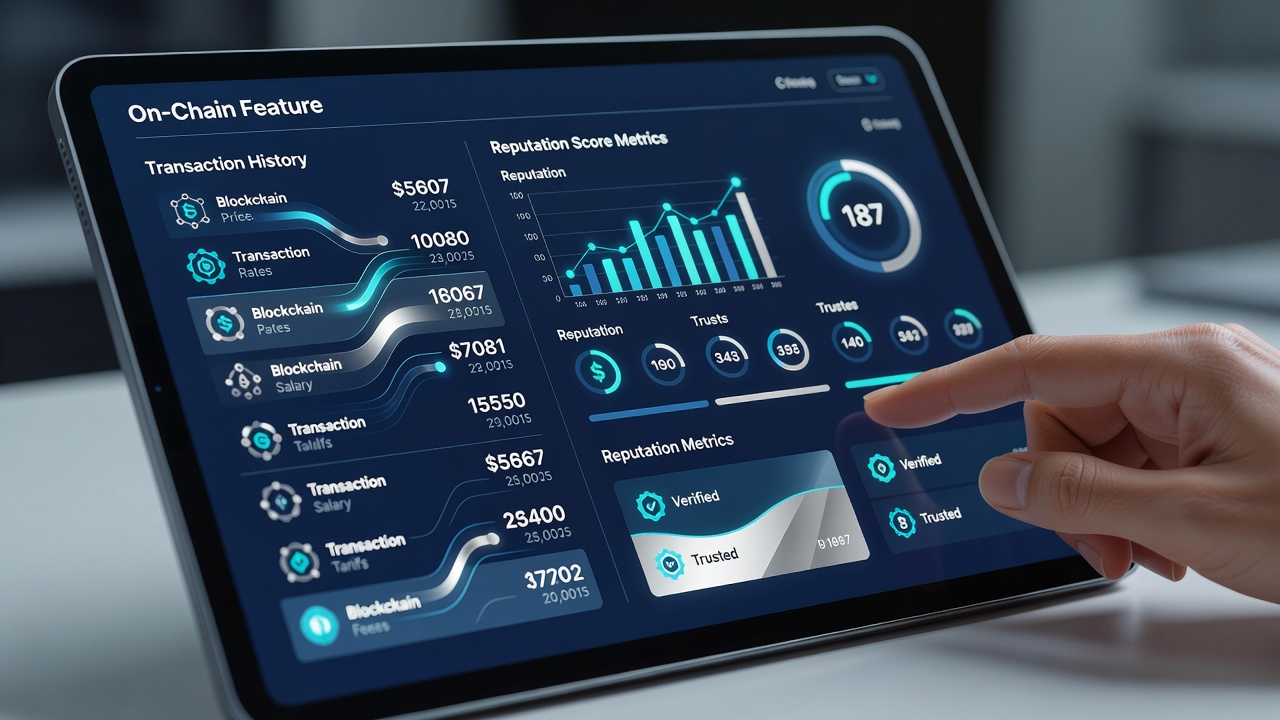
- Leverage monitoring dashboards: Connect your wallet to protocol-specific analytics tools to review score impacts in real time and adjust tactics accordingly.
- Document and review periodically: Maintain personal records of key transactions and periodically audit your address for any unintended negative markers.
Following these methods systematically forms the core of effective defi strategies for long-term reputation growth.
Comparisons of Scoring Models
Scoring models vary significantly between protocols. Goldfinch places heavier emphasis on real-world asset integration and repayment velocity, making it suitable for users focused on tangible collateral. Cred Protocol prioritizes cross-chain consistency and behavioral analytics, rewarding users who maintain activity across ecosystems without disruptions. When comparing models, consider your typical transaction volume, preferred chains, and tolerance for volatility. Some systems update scores daily while others aggregate data weekly, affecting how quickly improvements appear. Evaluating these nuances helps tailor defi strategies to match individual profiles and maximize access to better loan terms.
Real-World Case Studies of Improved APRs
One documented case involved a user who spent eight months building consistent repayment history across Ethereum and Polygon. After integrating their profile with reputation-enabled pools, they secured lending rates approximately 20 percent lower than standard anonymous borrowers. Another example features a participant who diversified collateral across three protocols while avoiding liquidations; their portable score through Cred Protocol unlocked tiered benefits, including priority access during high-demand periods. A third case highlights a DeFi strategist who combined wallet hygiene practices with multi-chain activity, resulting in eligibility for specialized low-rate vaults within six months. These examples illustrate the tangible outcomes possible when defi strategies incorporate on-chain credit building.
Risk Considerations and Mitigation
Despite the advantages, on-chain credit systems present several risks. Smart contract vulnerabilities could expose scores to manipulation or data loss. Privacy concerns arise because all activity remains publicly visible. Additionally, sudden changes in protocol algorithms may alter score calculations unexpectedly. To mitigate these issues, always review smart contract audits before deep engagement, diversify activity across multiple reputation providers, and maintain backup wallets. Regular monitoring helps catch anomalies early, and users should avoid over-reliance on a single protocol for their entire credit profile.
Checklists for Wallet Hygiene
- Review transaction logs monthly to confirm accuracy and completeness.
- Employ hardware wallets for storing larger positions tied to reputation scores.
- Separate personal holdings from active DeFi addresses to reduce exposure.
- Record all bridge transactions with timestamps for future reference.
- Implement multi-signature requirements on high-value wallets.
- Update software and firmware regularly to prevent security gaps.
Integration with Lending Platforms
After establishing a score, integration involves connecting your wallet through supported signatures or APIs. This step enables automated rate adjustments based on current reputation tiers. Begin testing in sandbox environments or with minimal positions to verify functionality. Many platforms now offer direct dashboard views showing how scores influence available APRs, making ongoing management straightforward.
Monitoring Tools and Dashboards
Several dashboards aggregate on-chain data for score tracking. Users can connect wallets to visualize trends, identify improvement areas, and simulate future scenarios. These tools often include alerts for score changes, helping maintain momentum in reputation building. Incorporating them into daily routines strengthens overall defi strategies.
FAQ: Common Pitfalls in On-Chain Credit Building
How long does it take to build a usable score? Most protocols require three to six months of consistent activity before scores meaningfully influence rates.
Can I reset a poor score? New addresses provide a fresh start in some systems, though portability features may link historical data.
Are there fees involved? Gas costs fluctuate by network and activity; prioritize efficient chains during low-congestion periods.
What if my score drops suddenly? Examine recent transactions for triggers and consult protocol support channels for explanations.
Do all lending platforms accept on-chain scores? Adoption is growing but remains selective; verify integration before committing large positions.
How do market conditions affect scores? Volatility can indirectly impact collateral health, so maintain buffers during uncertain periods.
Conclusion
On-chain credit systems continue to redefine possibilities in decentralized finance for 2026 users. By applying structured defi strategies, maintaining rigorous wallet practices, and leveraging protocols like Goldfinch and Cred Protocol, participants can build verifiable reputations that unlock superior loan terms. Consistent application of the methods outlined here positions users for sustained advantages as these systems mature.

No comments yet. Be the first!