 CryptoChain Blog

Introduction to DeFi in Emerging Markets
Decentralized finance continues its rapid expansion beyond Western markets into developing economies across Africa, Latin America, and parts of Asia. In 2026, users in these regions actively seek region-specific entry points that address challenges such as limited internet access, volatile local currencies, and regulatory uncertainty. This comprehensive guide explores practical adaptation tactics tailored to emerging markets, moving beyond generic Western approaches to focus on mobile-first solutions, cultural relevance, and infrastructure realities. Whether you are a farmer in rural Kenya or a small business owner in Brazil, understanding these strategies can unlock financial tools previously unavailable through traditional banking.
Mobile-First Onboarding Strategies
Smartphones serve as the primary gateway to DeFi in low-resource settings where desktop computers remain scarce. Protocols now optimize lightweight apps that run efficiently on basic Android devices with limited storage. Begin by selecting a non-custodial wallet that supports multiple blockchains and low data consumption modes. Complete identity verification using biometric options like fingerprint or facial recognition where local regulations permit, avoiding lengthy paperwork. In Nigeria, for instance, users leverage USSD codes combined with mobile apps to bridge the gap for those with intermittent connectivity. Educational resources from local crypto communities provide step-by-step video tutorials in native languages, reducing the learning curve. Always test small transactions first to familiarize yourself with gas fees and confirmation times before committing larger amounts.
Local Currency Integrations and Stablecoins
Integrating local currencies helps mitigate the volatility that often plagues emerging market economies. Stablecoins pegged to regional assets or major currencies allow users to preserve value during inflation spikes. Platforms increasingly offer seamless conversions between USD-pegged tokens and local fiat on-ramps through partnerships with mobile money providers. In Argentina, residents use stablecoin yields to protect savings against currency devaluation, while in South Africa, integrations with popular payment apps enable direct deposits. These approaches foster greater trust and adoption by aligning with everyday financial habits rather than forcing users into foreign frameworks.
World Bank reports highlight how such integrations boost financial inclusion in developing nations by reaching unbanked populations.
Infrastructure Barriers in Africa and Latin America
Internet reliability varies dramatically between urban centers and rural areas. Solutions include offline transaction queuing that syncs when connectivity returns, along with USSD-based interfaces for feature phones still common in many villages. In rural Africa, satellite connectivity partnerships with providers like Starlink are emerging to bridge gaps, while Latin American initiatives focus on community mesh networks. Power outages further complicate matters, so protocols incorporate battery-saving features and delayed settlement options. Addressing these barriers requires collaboration between blockchain developers and local telecom operators to create resilient systems that function despite inconsistent infrastructure.
Case Studies of Successful Protocols
Protocols enabling peer-to-peer lending in Kenya demonstrate high adoption through community education programs that explain concepts in local dialects. Participants form groups to collectively manage loans, reducing individual risk. In Brazil, yield farming adapted to agricultural cycles shows strong returns during harvest seasons when liquidity pools tied to commodity prices perform well. Another example comes from Mexico, where a protocol focused on remittance corridors allows families to receive funds with lower fees than traditional services by using stablecoin bridges. These cases illustrate how success stems from deep local partnerships rather than one-size-fits-all global models.
Comparing DeFi Platforms for Low-Bandwidth Environments
- Platform A emphasizes minimal data usage with USSD entry points and excels in areas with poor connectivity but offers fewer yield options.
- Platform B focuses on stablecoin yields with offline sync capabilities, making it ideal for users in volatile economies who prioritize capital preservation.
- Platform C provides robust community governance tools tailored for local cooperatives, though it requires slightly higher bandwidth for voting features.
Evaluate each based on your specific needs such as transaction speed, supported assets, and security track record before committing funds.
Step-by-Step Yield Strategies for Volatile Economies
- Assess local economic indicators using on-chain data tools to identify stable opportunities amid inflation or currency swings.
- Provide liquidity to pools tied to stable assets rather than high-risk tokens to minimize impermanent loss.
- Monitor regulatory updates via community channels and official announcements to adjust positions proactively.
- Rebalance portfolios quarterly based on inflation trends and seasonal economic patterns common in agriculture-dependent regions.
- Utilize insurance protocols as an added layer of protection against smart contract vulnerabilities or sudden market shifts.
Community-Driven Liquidity Pools
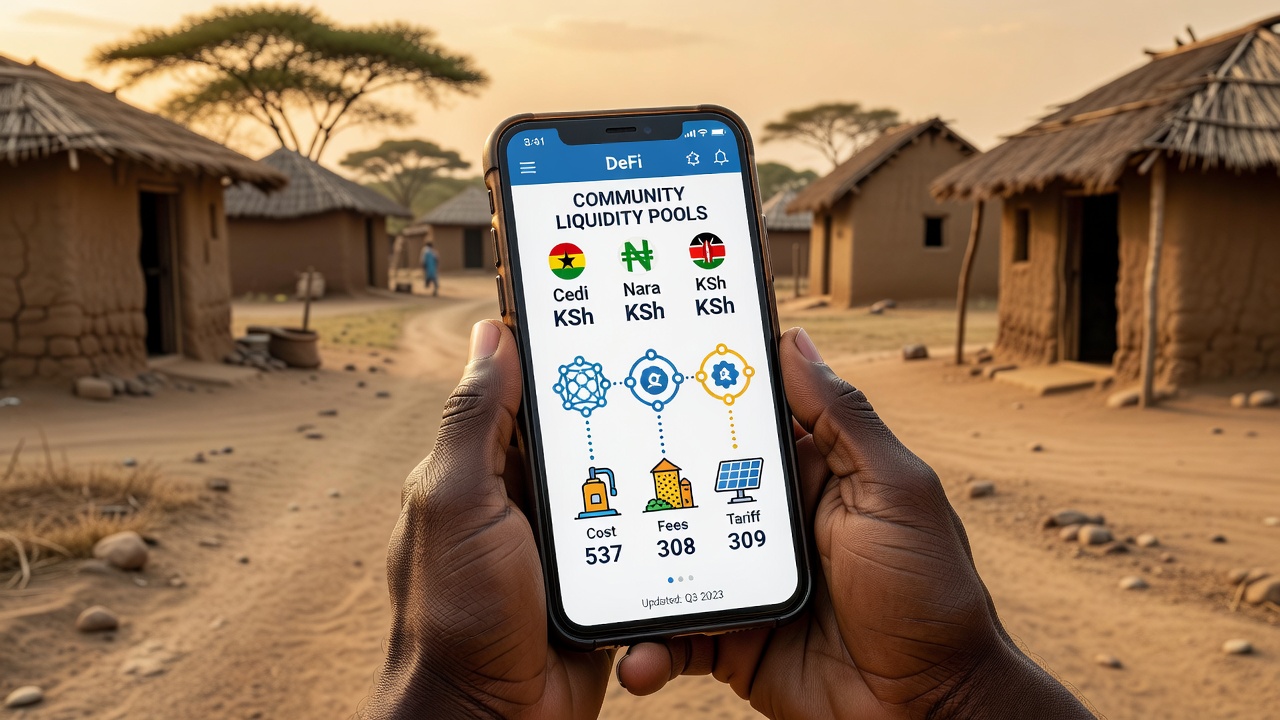
Local cooperatives form liquidity pools that reflect cultural and economic realities, such as seasonal farming income cycles or festival-related spending patterns. These pools often outperform global averages by aligning incentives directly with community needs and fostering trust through transparent on-chain governance. In practice, groups in Ghana have created pools supporting micro-loans for women entrepreneurs, demonstrating measurable social impact alongside financial returns.
Risk Mitigation for Regulatory Shifts
Stay informed through official sources and diversify holdings across multiple jurisdictions to avoid single-point regulatory disruptions. Use multi-signature wallets and decentralized insurance protocols to protect assets against sudden policy changes. IMF analyses provide valuable context on global regulatory trends affecting emerging markets. Additionally, participate in local advocacy groups that engage with policymakers to shape favorable frameworks.
Practical Examples and Mistakes to Avoid
Consider a small business in Peru that started with stablecoin remittances and gradually expanded into yield farming, achieving consistent growth by starting small and scaling based on results. Common mistakes include ignoring local tax implications, over-leveraging during bull runs, or neglecting security practices like seed phrase backups. Always verify smart contract audits and begin with test transactions to build familiarity.
FAQs on DeFi Setup in Emerging Markets
How do I start with limited data? Choose apps with offline capabilities and low-bandwidth modes, and download educational materials in advance during periods of strong connectivity.
What about internet access issues? Leverage USSD services, community Wi-Fi hubs, or satellite options where available to maintain access during outages.
Are yields sustainable in volatile economies? Focus on stablecoin strategies and local asset pools for resilience, while regularly reviewing performance against regional benchmarks.
Which wallets work best on basic phones? Opt for lightweight options supporting biometric login and minimal storage requirements.
How do I handle regulatory uncertainty? Diversify across platforms, stay updated via trusted community sources, and maintain clear records of transactions.
Conclusion
DeFi offers transformative potential for emerging markets when strategies account for local contexts and infrastructure realities. By prioritizing mobile access, cultural relevance, and proactive risk management, participants can unlock sustainable growth opportunities in 2026 and beyond. Ethereum resources and DeFi analytics platforms offer further tools for exploration and informed decision-making.


No comments yet. Be the first!