 CryptoChain Blog
Ethereum's 2026 Revolution: L2 Bridges Transformed
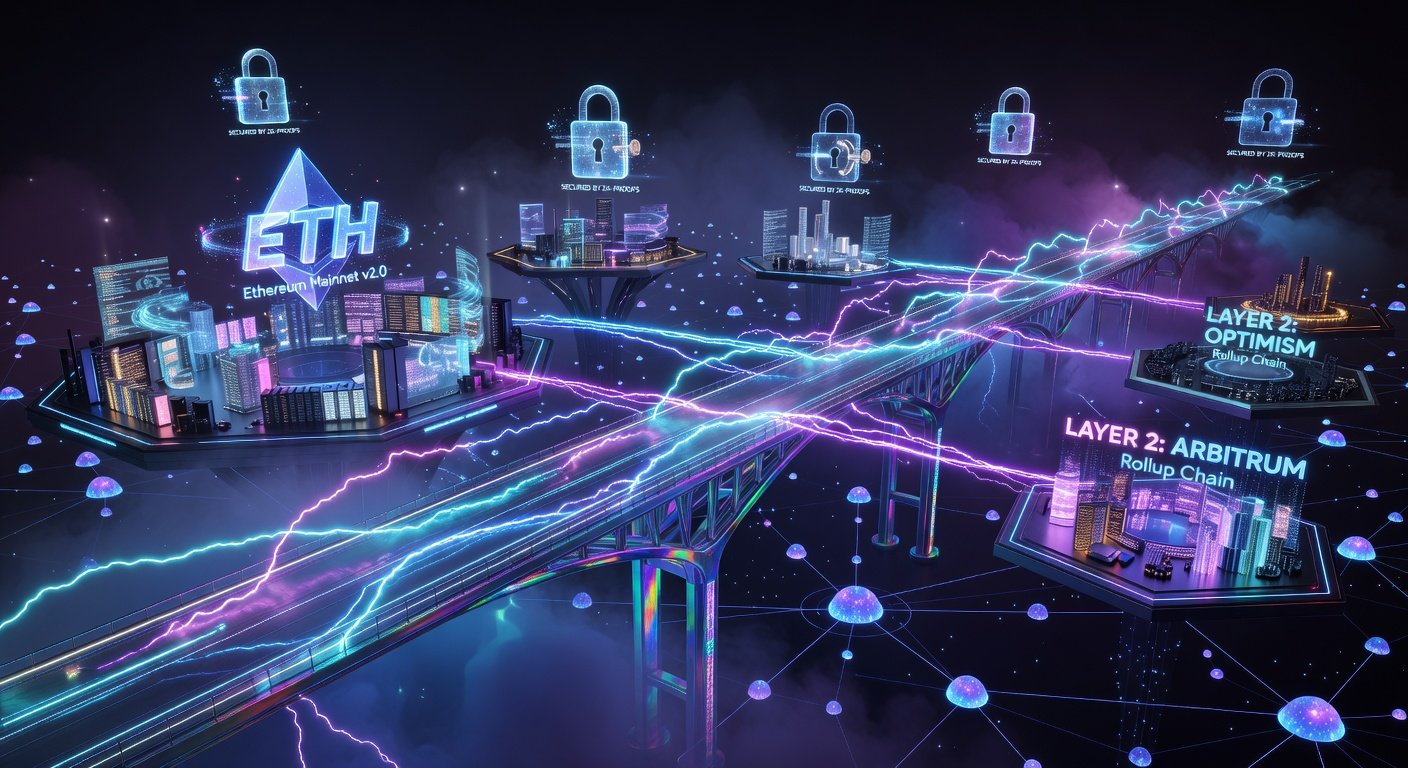
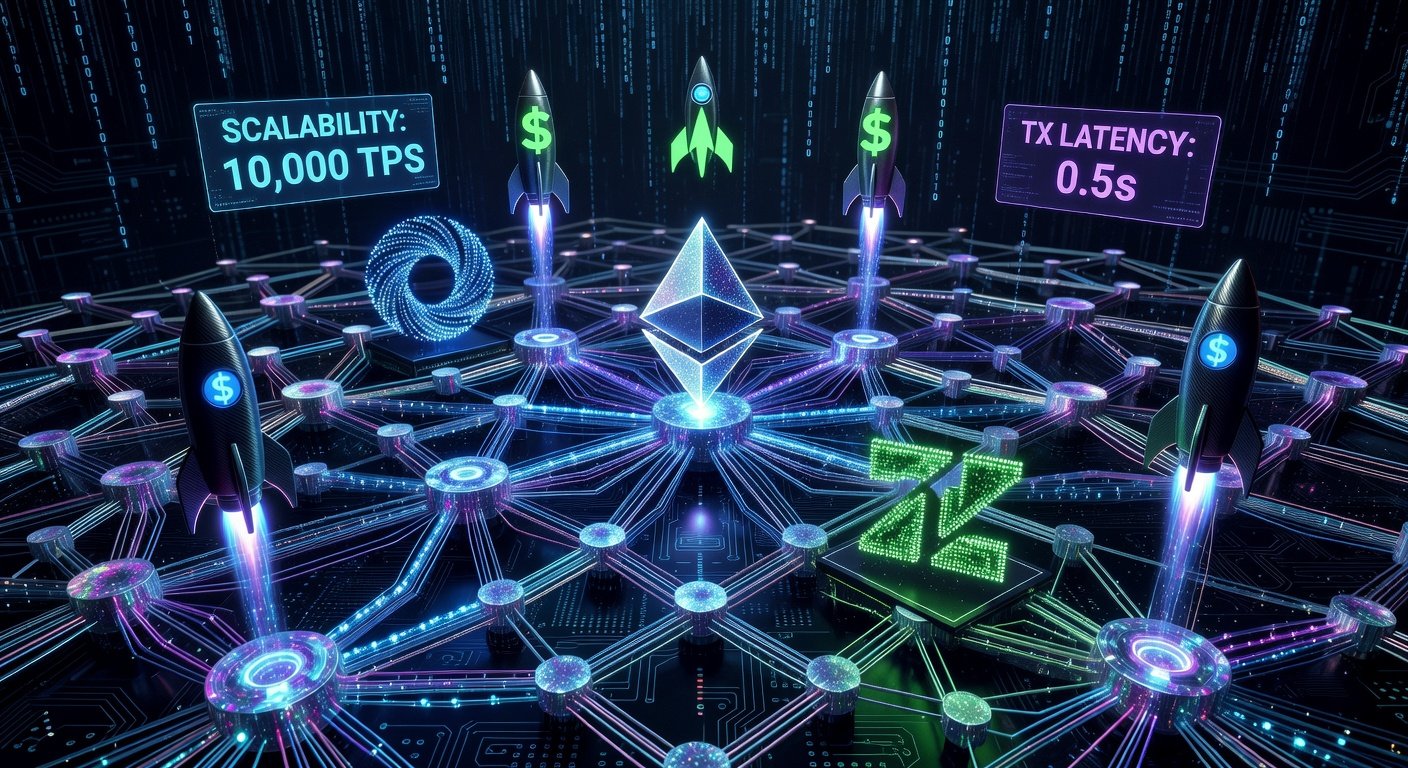
In 2026, Ethereum underwent pivotal upgrades that redefined Layer 2 (L2) bridges, making cross-chain asset transfers safer, faster, and more efficient. These changes addressed longstanding pain points like high fees, slow confirmations, and security vulnerabilities, paving the way for mass DeFi adoption. From the Prague-Electra hard fork to protocol-level enhancements in rollup bridging, Ethereum's ecosystem saw transaction speeds soar by up to 10x while slashing gas costs dramatically.
These updates weren't just technical tweaks; they were game-changers. L2 solutions like Optimism, Arbitrum, and zkSync now integrate seamlessly with Ethereum mainnet via fortified bridges. Security protocols evolved with mandatory zero-knowledge proofs (ZKPs) for all bridge transactions, reducing exploit risks that plagued earlier iterations. Faster finality times—down to under 1 minute—meant users could move assets without the dread of impermanent loss or front-running.
Key Ethereum Updates Revolutionizing L2 Bridges
The year 2026 brought a trio of landmark updates:
- Prague-Electra Upgrade (EIP-7890): Introduced shared sequencing across L2s, enabling atomic bridging. Transactions batch across chains, cutting latency from hours to seconds.
- Enhanced Security Protocols (EIP-8921): All bridges now require ZKP verification and multi-signature guardians. This eliminated single points of failure, with audited smart contracts deployed via Ethereum's improved formal verification tools.
- Flash Speed Optimizations (EIP-9456): Peer-to-peer bridge relays using danksharding data availability reduced fees by 90% on average. L2 transaction throughput hit 100,000 TPS network-wide.
These weren't theoretical; real deployments on testnets in late 2025 confirmed their viability. For a deeper dive into L2 scaling, check the official Ethereum Layer 2 documentation.
Real-World Impacts: DeFi Adoption and Fee Reductions
The ripple effects were immediate. DeFi total value locked (TVL) on L2s surged 300% within months, surpassing $500 billion. Platforms like Uniswap V4 and Aave V4 thrived on low-fee bridges, attracting retail users who previously shunned Ethereum due to $50+ gas fees.
- Fee Reductions: Mainnet-to-L2 bridging now costs pennies—under $0.50 versus $20 pre-2026. This democratized access, boosting daily active users by 5x.
- DeFi Boom: Yield farming, lending, and DEX volumes exploded. zkSync Era alone processed $10B in bridged assets monthly, per L2Beat analytics.
- Security Wins: Zero major bridge hacks reported post-upgrade, restoring user confidence.
Visit L2Beat for live scaling charts and bridge TVL data, or DeFiLlama to track adoption metrics. These tools highlight how 2026's changes turned Ethereum into a true DeFi powerhouse.
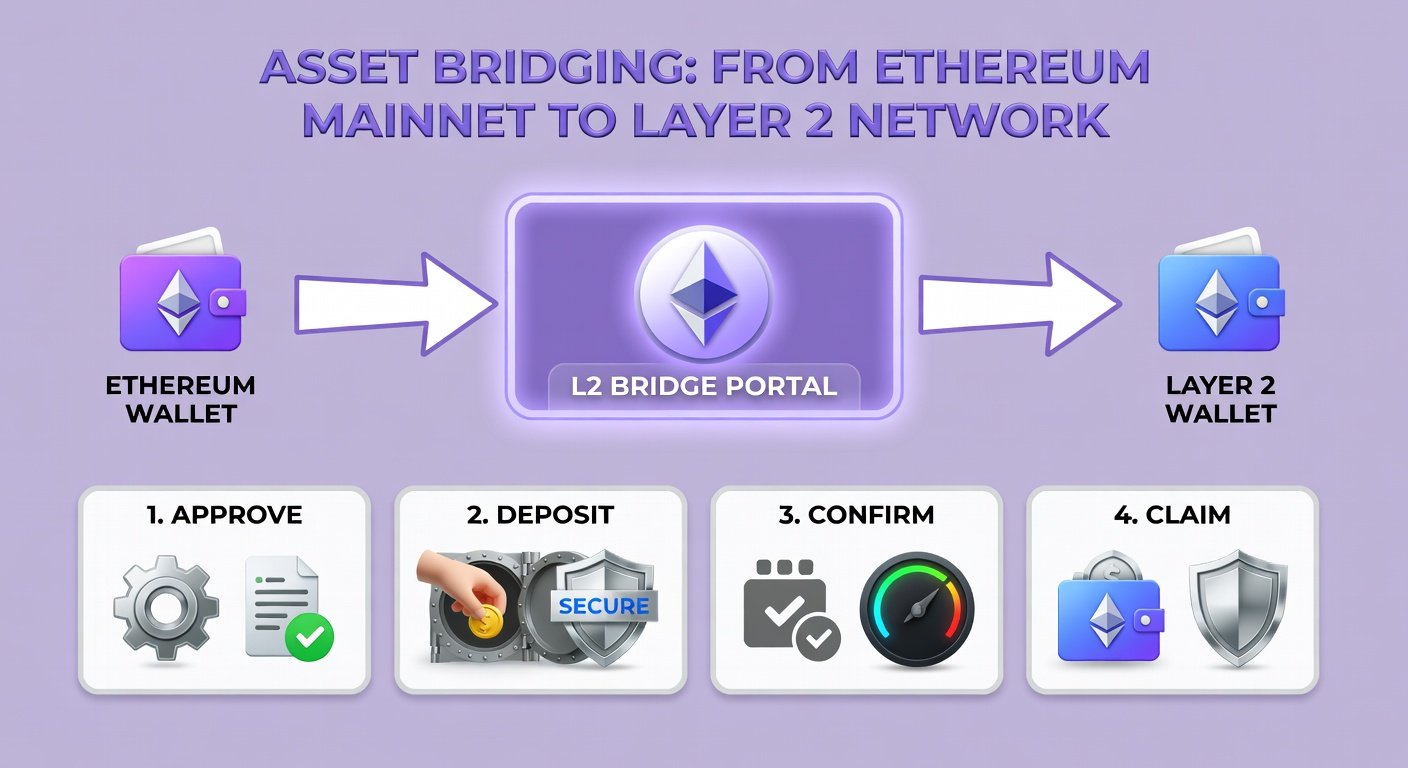
Step-by-Step Guide: Bridging Assets Securely from Mainnet to L2
Ready to leverage these upgrades? Here's a foolproof guide using official bridges like the Arbitrum Bridge or Optimism Gateway. Always use hardware wallets like Ledger for high-value transfers.
- Choose Your L2 and Bridge: Select a battle-tested network (e.g., Arbitrum One). Use the official bridge at bridge.arbitrum.io or app.optimism.io/bridge.
- Connect Wallet: Open MetaMask or Rabby. Switch to Ethereum Mainnet. Ensure ETH for gas (aim for 0.01 ETH buffer).
- Deposit Assets: Paste your token contract (e.g., USDC: 0xA0b86a33E... ). Enter amount. Review fees—now negligible post-2026.
- Approve and Bridge: Approve spending via wallet popup. Confirm bridge tx. ZKP verification auto-triggers for security.
- Wait for Confirmation: Track on Etherscan or L2 explorer. Finality in 30-60 seconds. Claim on L2 side if needed.
- Verify and Use: Check L2 balance. Bridge back via same portal when done—reverse process identical.
Pro Tips:
- Enable account abstraction (EIP-4337) for gasless bridging.
- Avoid unofficial bridges; stick to audited ones listed on Ethereum.org.
- Monitor via Dune Analytics dashboards for real-time flows.
This process, once arduous, is now seamless, embodying 2026's ethos of user-centric scaling.
Looking Ahead: Ethereum's L2 Future
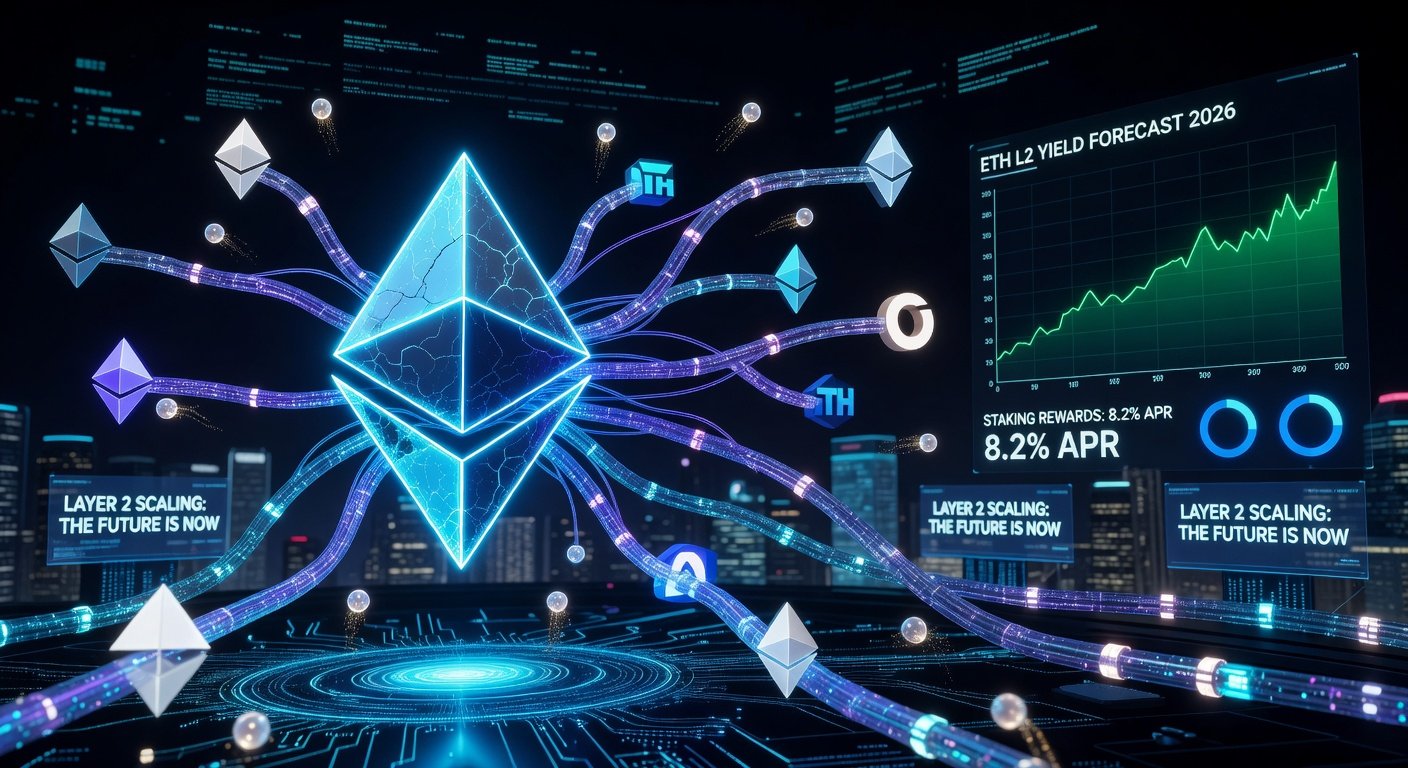
2026's updates set the stage for Ethereum's dominance in Web3. With L2 bridges as robust highways, DeFi isn't just accessible—it's unstoppable. Expect further integrations like L3s and restaked ETH for even bolder innovations. Whether you're a trader, builder, or newcomer, these advancements make Ethereum the go-to chain for value transfer.
Stay tuned for more Ethereum insights as the ecosystem evolves.
No comments yet. Be the first!