 CryptoChain Blog

Introduction to Blob Data on Ethereum L2s in 2026
In 2026, Ethereum continues to evolve as a scalable ecosystem, with EIP-4844's blob data playing a central role in reducing costs and improving throughput for Layer 2 solutions. This article provides developers and analysts with in-depth insights into blob mechanics, real adoption data, and actionable strategies. Blob data introduced a new transaction type that allows L2s to post large amounts of data to Ethereum at lower costs than calldata. As networks mature, utilization patterns reveal how this innovation drives scalability across the ecosystem. Developers searching for practical ethereum news will find concrete examples of how leading networks leverage blobs to achieve higher transaction volumes while maintaining security guarantees. The shift from traditional calldata to blobs has fundamentally changed how rollups operate, enabling more efficient data availability without permanently storing every byte on the execution layer.
Understanding these changes is essential for anyone building or analyzing L2 infrastructure in the current year. Adoption has accelerated because blobs provide a dedicated data availability channel that is both cheaper and more scalable than previous methods. This article explores the technical foundations, real-world metrics, posting strategies, monitoring techniques, and optimization approaches that define successful implementations today.
Technical Overview of Blob Mechanics
EIP-4844 added a dedicated data availability layer through blobs—temporary data blobs attached to blocks. Each blob holds up to 128 KB and is pruned after a short period, making it ideal for rollup data without bloating the execution layer. Key components include the blob transaction type, KZG commitments for verification, and integration with the consensus layer. This separation ensures L2s can post data cheaply while Ethereum maintains security. The blob gas market operates independently from regular execution gas, allowing dynamic pricing that reflects data availability demand rather than computation demand. KZG polynomial commitments enable efficient verification without requiring full data retention on every node. For deeper protocol details, refer to Ethereum.org. Additional technical specifications are available through the Ethereum protocol documentation maintained by core developers. The mechanics also involve new transaction fields such as blob versioned hashes and commitments that L2 sequencers must generate correctly when posting batches. Incorrect implementation of these fields can lead to failed transactions or wasted fees, so teams must test thoroughly against mainnet conditions before deploying changes.
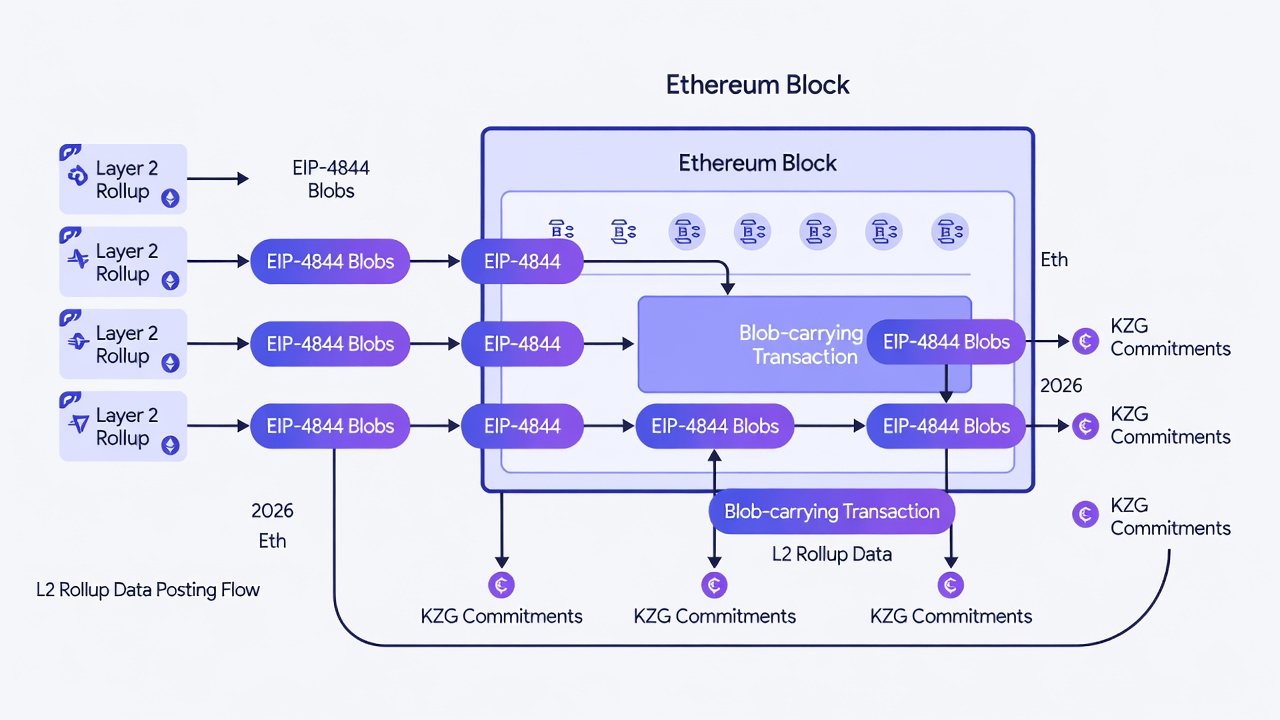
Real-World Adoption Metrics from Leading L2s
Top L2 networks such as Arbitrum, Optimism, and Base have rapidly adopted blobs. Metrics show increased blob usage correlating with higher transaction volumes and reduced fees. Analysts track daily blob counts, average utilization per block, and data posting frequency to gauge efficiency gains. In 2026, several networks post dozens of blobs per day during peak periods, demonstrating clear scalability improvements compared to pre-EIP-4844 operations. Comparisons reveal differences in posting strategies: some L2s batch aggressively for cost savings, while others prioritize latency. Real adoption data indicates that networks with hybrid approaches often achieve the best balance between throughput and user experience. Monitoring these metrics helps developers understand which strategies deliver the strongest results under varying network conditions.
Comparing Blob Posting Strategies
- Aggressive Batching: Maximizes cost efficiency but may delay finality. This approach works well for networks with high daily volumes where users tolerate slightly longer confirmation times.
- Frequent Posting: Improves user experience with faster confirmations at slightly higher costs. Networks focused on DeFi applications often prefer this method to maintain competitive latency.
- Hybrid Approaches: Balance both based on network demand. Leading implementations dynamically adjust batch sizes according to current blob gas prices and user activity levels.
Case examples from leading networks demonstrate how these strategies impact overall throughput and user adoption. Arbitrum has leaned toward aggressive batching in high-demand periods, while Optimism has experimented with more frequent smaller posts during volatile market conditions.
Step-by-Step Monitoring Tutorial
Developers can monitor blob utilization using tools like block explorers and custom dashboards. Follow these steps: First, access Ethereum mainnet data via public RPC endpoints and configure your client to recognize EIP-4844 transaction types. Second, query blob transaction counts using EIP-4844 specific filters in tools such as Dune Analytics or custom scripts that parse block headers for blob versioned hashes. Third, visualize trends with on-chain analytics platforms by creating dashboards that track average blobs per block and peak utilization hours. Fourth, set alerts for utilization thresholds to optimize posting timing and avoid periods of high blob gas prices. Fifth, integrate these alerts into your L2 sequencer so it can automatically adjust batch sizes. This practical guide helps analysts derive insights without complex setups and provides repeatable processes for ongoing optimization.
Optimization Tips for L2 Implementers
To maximize blob benefits, teams should calibrate batch sizes based on current network conditions, implement dynamic fee estimation, and regularly audit data availability commitments. Avoiding over-posting during low-demand periods prevents unnecessary expenses. Additional tips include monitoring the blob gas market separately from execution gas, testing KZG commitment generation in staging environments, and maintaining fallback mechanisms for when blob capacity is constrained. Real-world teams have found that combining on-chain metrics with off-chain telemetry yields the most reliable optimization signals.
Case Examples from Leading Networks
Arbitrum has demonstrated consistent high blob utilization by batching multiple rollup blocks into single blob transactions during peak hours. Optimism has published public dashboards showing how its posting frequency adapts to daily demand patterns. Base has focused on hybrid strategies that reduce latency for retail users while still capturing cost savings. These examples illustrate that no single strategy fits every network; success depends on aligning posting behavior with specific user expectations and application types.
Future Outlook and Implementation Challenges
Looking ahead, blob utilization is expected to grow with further Ethereum upgrades. Common challenges include handling variable blob gas markets and ensuring robust data availability proofs. The FAQ below addresses frequent questions.
FAQ
How do blobs differ from calldata? Blobs offer cheaper, temporary storage optimized for rollups, while calldata remains permanently available on-chain.
What networks lead in adoption? Arbitrum and Optimism consistently show high utilization rates according to public analytics.
Can small L2s benefit? Yes, through shared sequencing and efficient batching that lowers per-transaction overhead.
For foundational resources, explore Ethereum.org and the official EIP repository at EIPs.ethereum.org.
Conclusion
Blob data utilization has become a defining factor in Ethereum L2 performance during 2026. By mastering the technical details, monitoring practices, and strategic approaches outlined above, developers and analysts can build more efficient and scalable solutions that fully leverage the capabilities introduced by EIP-4844.


No comments yet. Be the first!