 CryptoChain Blog
Introduction to Ethereum Layer 2 Data Availability in 2026
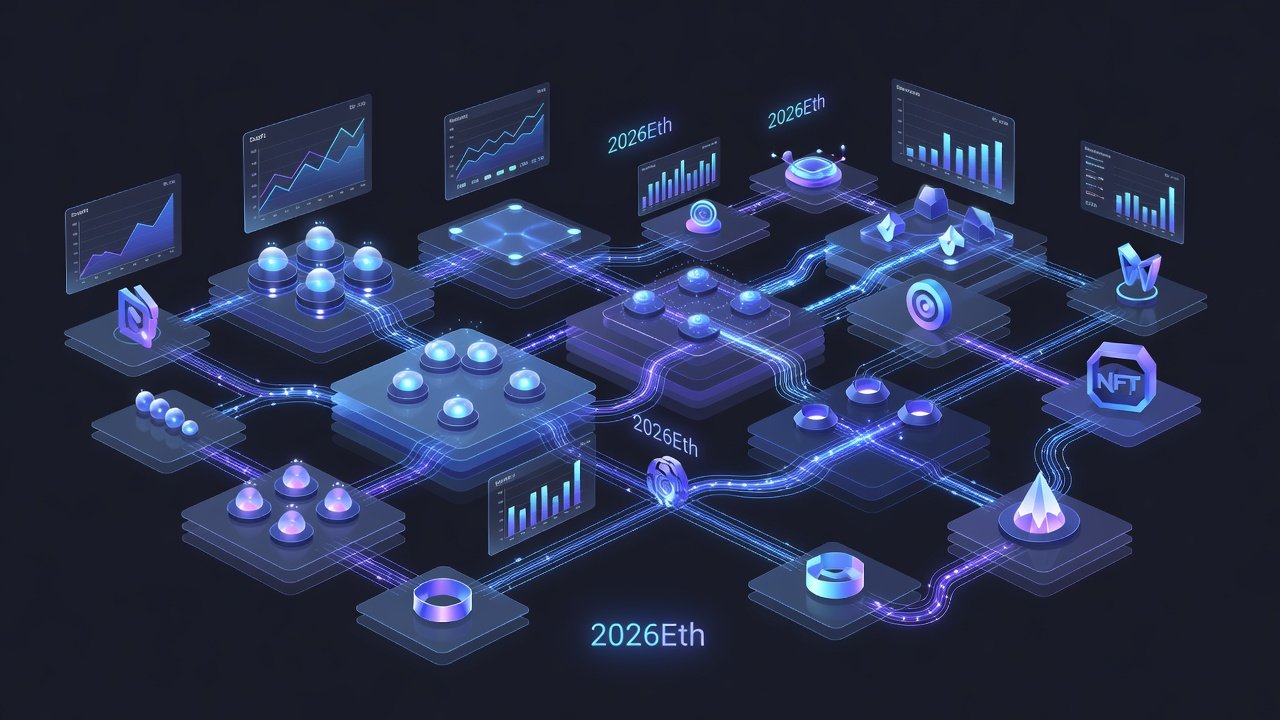
Ethereum Layer 2 solutions have evolved dramatically by 2026, with data availability (DA) emerging as the key bottleneck and opportunity for scalability. New modular approaches separate execution from data storage, enabling massive throughput gains while reducing fees for DeFi protocols and NFT marketplaces. This shift allows optimistic and ZK rollups to process far more transactions without compromising security. Developers and projects are increasingly moving away from posting all data directly on Ethereum mainnet, which was expensive and limited in scale. Instead, they rely on specialized DA layers that guarantee data is available for verification while keeping costs low. This evolution supports broader adoption in decentralized finance and digital collectibles, where high transaction volumes are essential.
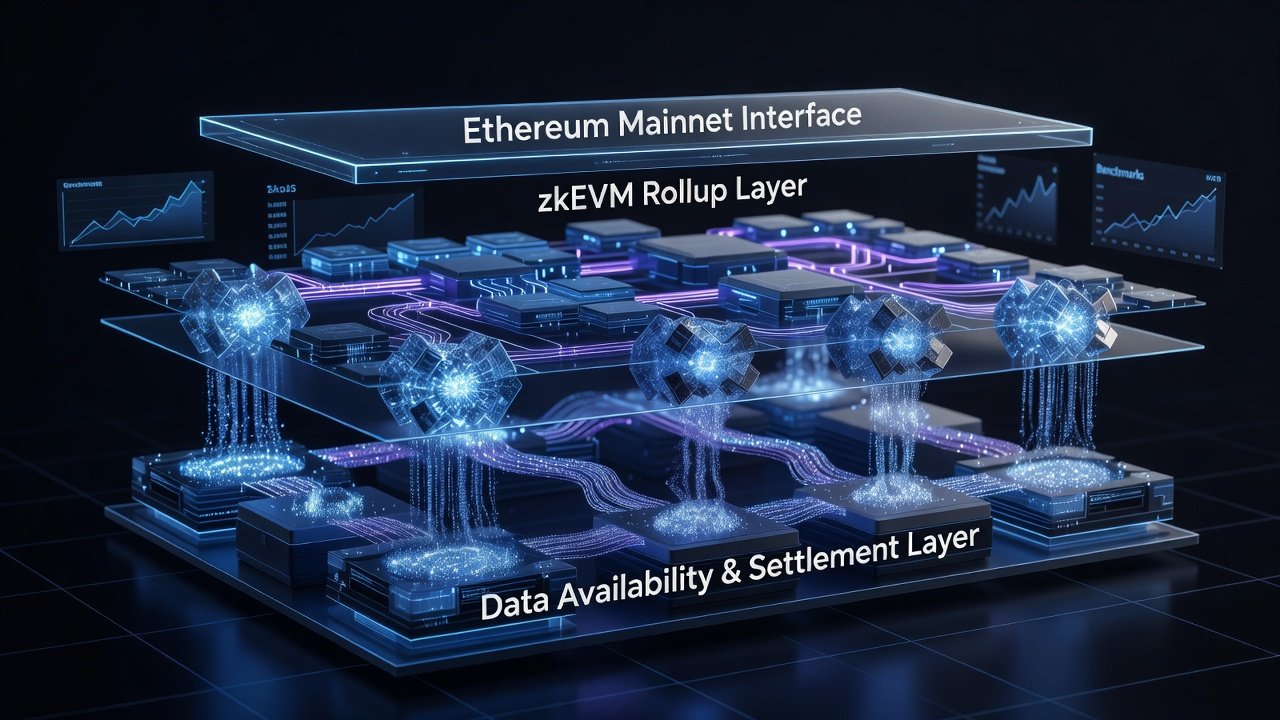
Developers now leverage external DA layers to post transaction data off-chain, freeing Ethereum mainnet for settlement only. Benchmarks from L2Beat show consistent improvements in both cost and speed across leading chains. The modular blockchain thesis has gained traction because it allows each component of the stack—execution, settlement, consensus, and data availability—to be optimized independently. As a result, L2 projects can achieve higher performance metrics that were previously unattainable on monolithic designs.
Understanding Data Availability Challenges in Ethereum L2s
Data availability refers to the assurance that transaction data is published and accessible so that network participants can verify state transitions. In traditional L2 setups, this data was posted as calldata on Ethereum, leading to high gas costs during congestion periods. By 2026, solutions like dedicated DA blockchains address this by using techniques such as data sampling and erasure coding. These methods ensure that even if some nodes go offline, the full dataset can be reconstructed from available pieces. This is crucial for maintaining the security guarantees that users expect from Ethereum-aligned systems.
Without robust DA, rollups risk data withholding attacks where malicious operators hide information needed for fraud proofs or validity proofs. Modular designs mitigate this risk effectively, allowing L2s to scale while inheriting Ethereum's security for settlement. Real-world usage shows that projects integrating advanced DA see reduced latency and improved user experiences in applications ranging from perpetual futures trading to generative art minting events.
How Celestia and EigenDA Compare for L2 Performance
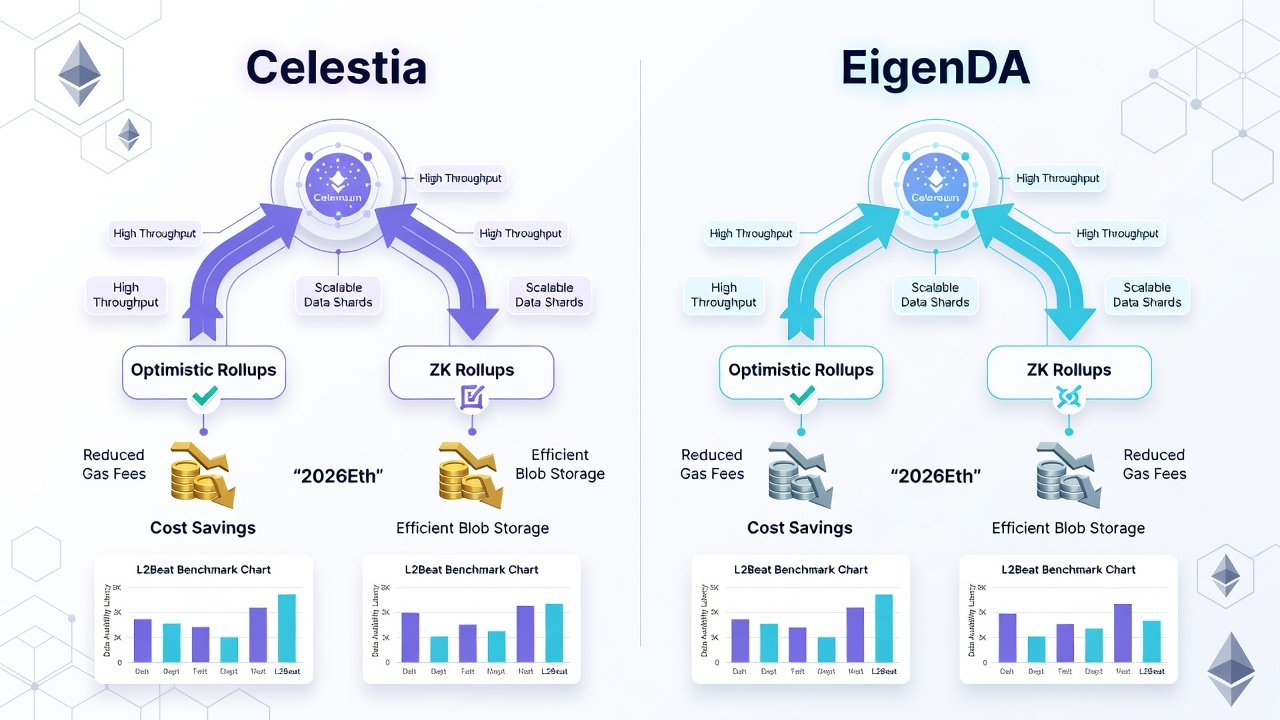
Celestia provides a dedicated data availability layer using a modular blockchain design. It samples data randomly to guarantee availability without requiring full downloads. EigenDA, built on EigenLayer, offers restaked security for high-throughput data posting with customizable parameters. Both have seen widespread adoption among L2 teams looking to optimize their infrastructure.
Real transaction data from L2Beat indicates Celestia-backed rollups achieve higher throughput for NFT minting batches, while EigenDA excels in DeFi liquidations requiring rapid finality. Both outperform traditional on-chain calldata posting by orders of magnitude in efficiency. Celestia uses a proof-of-stake model with light nodes that perform random sampling, making it lightweight for developers to integrate. EigenDA leverages Ethereum's economic security through restaking, providing an additional layer of assurance for high-value applications.
Optimistic vs ZK Rollups in the Modular Era
Optimistic rollups like those using Arbitrum Orbit benefit from Celestia by reducing challenge periods through faster data access. ZK rollups, such as zkSync or Starknet variants, integrate EigenDA for succinct proofs paired with guaranteed data availability. The choice between these rollup types often depends on the specific use case, with optimistic approaches favoring simpler development and ZK offering stronger cryptographic guarantees.
Key differences include:
- Optimistic: Lower verification overhead but relies on fraud proofs and external DA for speed. They assume transactions are valid unless challenged, which works well when DA is reliable.
- ZK: Higher computational cost for proofs but instant finality when combined with modular DA. Validity proofs ensure correctness without needing a challenge window.
Emerging trends favor hybrid modular stacks where execution, settlement, and DA are decoupled for maximum flexibility. Many teams now experiment with combining elements from both optimistic and ZK frameworks to balance speed, cost, and security.
Step-by-Step Developer Integration Examples
Integrating a DA solution involves these practical steps. First, select your preferred provider based on throughput needs and security model. Next, set up the necessary infrastructure such as light clients or API endpoints. Then configure your rollup framework accordingly.
- Choose your DA provider (Celestia or EigenDA) and obtain API keys or node access. Review their documentation for supported blob sizes and sampling parameters.
- Configure your rollup SDK, such as the OP Stack or zkEVM framework, to point blob submissions to the external DA layer. Update environment variables to specify the DA endpoint and authentication details.
- Update smart contract mappings for data roots and availability proofs. Ensure that your bridge contracts correctly reference the DA commitments.
- Test fee estimation using L2Beat dashboards before mainnet deployment. Simulate various batch sizes to identify optimal configurations.
- Monitor gas usage post-launch and adjust batch sizes for optimal cost savings. Implement automated alerts for unusual spikes in data posting costs.
Practical tips for minimizing fees include batching NFT metadata uploads during low-demand windows and using compression libraries before posting to Celestia. Developers should also consider implementing dynamic batching algorithms that adapt to network conditions in real time.
Cost Reduction and Throughput Gains for DeFi and NFTs
Modular DA solutions have enabled DeFi applications to handle thousands of swaps per second at fractions of previous costs. NFT projects similarly benefit from cheaper metadata availability, supporting higher-resolution assets without prohibitive expenses. Case studies from leading protocols demonstrate how these changes translate into better liquidity and user retention.
Comparisons reveal that chains using these approaches process 10-50x more transactions per second than base Ethereum L2s from prior years, according to on-chain metrics tracked on L2Beat. For DeFi, this means more efficient oracle updates and liquidation mechanisms. For NFTs, it supports complex on-chain interactions like dynamic royalties and fractional ownership without congestion.
Emerging Trends in Modular Blockchain Designs
2026 sees increased adoption of fully modular architectures. Teams experiment with sovereign rollups and shared sequencers alongside DA layers. This fosters interoperability between optimistic and ZK environments while maintaining Ethereum settlement guarantees. Additional trends include the rise of shared DA networks that multiple L2s can use simultaneously, reducing redundancy and improving overall ecosystem efficiency.
Future roadmap items include tighter integration with Ethereum's EIP upgrades for native blob support enhancements. As these developments mature, expect even greater composability across different L2 ecosystems, enabling seamless asset transfers and cross-rollup applications.
FAQ: Common Integration Challenges and Future Outlook
What are the main integration hurdles with Celestia?
Network latency during high congestion and ensuring proper light node setup for data sampling are common issues. Start with testnets and review official documentation. Teams often face challenges in synchronizing their rollup state with the DA layer initially.
How do EigenDA fees compare long-term?
Qualitative analysis shows EigenDA often undercuts on-chain alternatives for large batches, but always benchmark against current L2Beat data. Factors like restaking yields can influence overall economics over time.
Will modular designs replace monolithic L2s?
Trends point to coexistence, with modular options dominating high-throughput use cases like DeFi and NFTs while monolithic stacks persist for simpler applications. Hybrid models are also gaining popularity.
What does the 2027 roadmap hold?
Expect expanded restaking options and better cross-DA interoperability standards. Innovations in zero-knowledge proofs for data sampling may further enhance efficiency across the board.
How can projects prepare for future DA changes?
Adopt flexible architectures that allow easy swapping of DA providers. Regular audits and participation in community governance forums help stay ahead of protocol upgrades.
No comments yet. Be the first!