 CryptoChain Blog
Introduction to Ethereum L2 Yield Farming in 2026
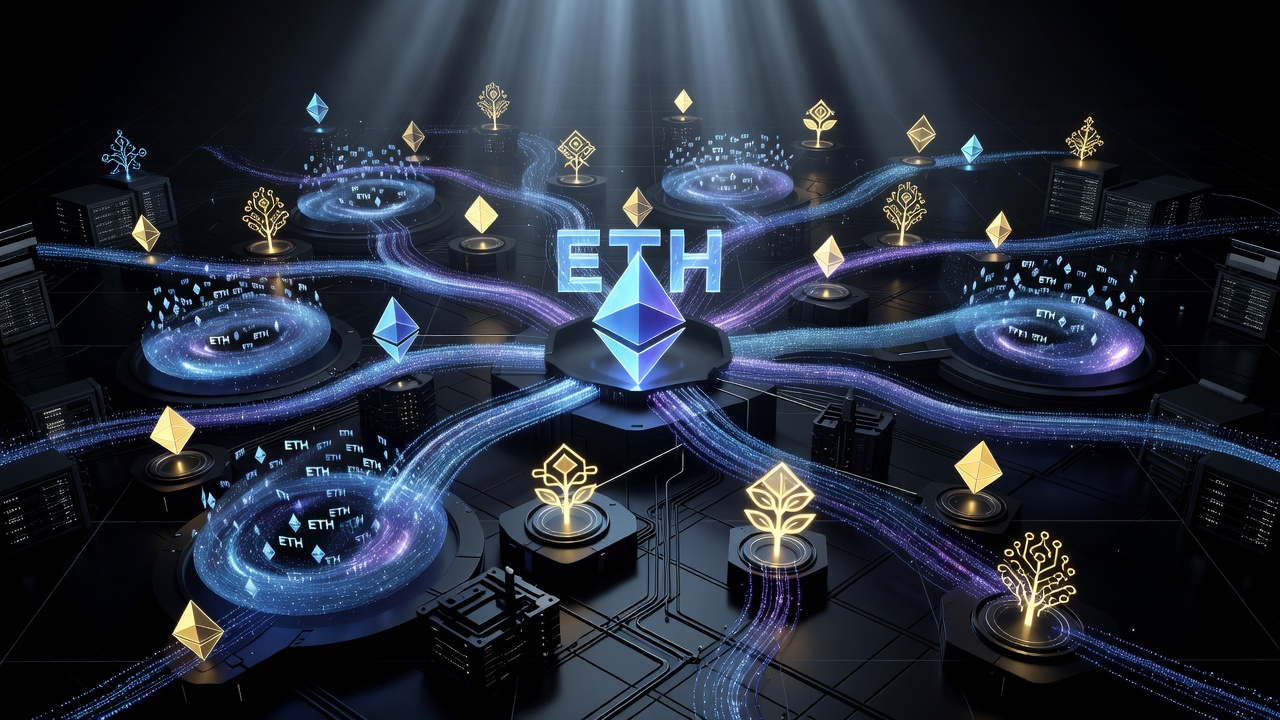
As Ethereum continues to evolve with ongoing updates, Layer 2 networks have become the primary arena for yield farming. These solutions address scalability challenges while offering lower fees compared to the base layer. This guide examines advanced strategies for maximizing returns on ETH and related assets throughout 2026, focusing on actionable tactics amid the latest ETH developments. Yield farming on L2 involves providing liquidity to decentralized protocols in exchange for rewards, often in the form of governance tokens or additional ETH yields. Users benefit from faster transactions and reduced costs, making frequent rebalancing more feasible than on mainnet. The evolving landscape includes improvements in rollup technology that enhance security and interoperability, allowing farmers to explore new opportunities without the high gas fees that previously limited participation.
With Ethereum's roadmap emphasizing danksharding and further L2 optimizations, 2026 presents a unique window for strategic positioning. Farmers must stay informed about network upgrades that could impact reward distributions and pool efficiencies. This comprehensive approach combines technical understanding with practical execution to navigate volatility and capitalize on emerging trends.
Protocol Selection Criteria for L2 Yield Farming
Choosing the right protocol starts with evaluating security audits, total value locked, and alignment with current Ethereum upgrades. Popular L2 options include Optimism, Arbitrum, and Base, each with distinct ecosystems. Prioritize platforms that integrate seamlessly with the latest ETH improvements for gas efficiency. Consider factors such as developer activity, community governance participation, and historical resilience during market downturns. For instance, protocols with multi-signature wallet controls and bug bounty programs tend to offer greater peace of mind.
Cross-reference data from established analytics sites to avoid protocols with high exploit risks. Additional criteria include liquidity depth, reward token utility, and compatibility with hardware wallets. Farmers should also assess bridge security, as many L2 interactions rely on these connections. A thorough due diligence process involves reviewing on-chain metrics and community forums before committing capital.
Liquidity Pool Optimization Techniques
Optimizing liquidity pools requires balancing asset pairs to minimize slippage and impermanent loss. Focus on stablecoin pairs or ETH-correlated assets on L2 to capture consistent yields. Automated tools can adjust positions based on volatility metrics, allowing for dynamic responses to price movements. Advanced users monitor pool ratios in real time and migrate funds between pools as opportunities shift. This approach leverages the speed of L2 environments for dynamic management.
Techniques such as concentrated liquidity positioning enable more efficient capital allocation within specific price ranges. Pair selection should account for correlation coefficients and historical volatility data. Regular rebalancing, facilitated by low L2 fees, helps maintain optimal exposure while capturing additional incentives from multiple protocols simultaneously.
Risk Management in L2 Environments
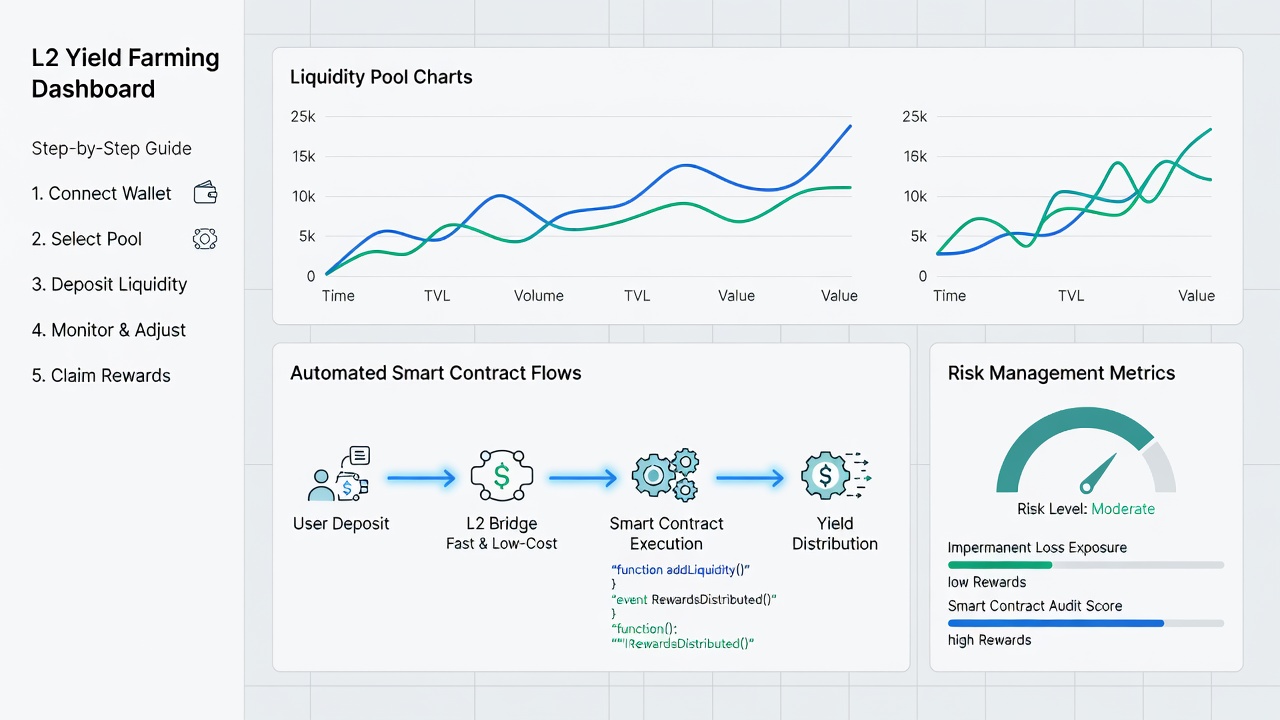
Risk management is critical due to smart contract vulnerabilities and bridge risks between layers. Diversify across multiple L2 networks and implement position sizing rules. Regular audits and use of insurance protocols can further protect capital. Common pitfalls include over-leveraging and ignoring oracle failures. Develop a checklist for ongoing monitoring to mitigate these issues effectively. Additional considerations encompass liquidation risks in leveraged positions and potential governance attacks on token rewards.
Implement stop-loss mechanisms through smart contract interactions where available, and maintain emergency withdrawal plans. Stress testing portfolios against various market scenarios helps prepare for unexpected events. Education on L2-specific risks, such as sequencer downtime, adds another layer of protection for long-term success.
Automated Strategies Using Smart Contracts
Smart contract automation enables hands-off yield farming through bots that compound rewards or rebalance pools. Platforms supporting these features allow users to set custom parameters tied to ETH price movements and fee structures. Examples include vault strategies that automatically harvest and reinvest tokens, reducing manual intervention while adapting to market conditions. Custom scripts can trigger actions based on predefined thresholds, such as reward accumulation levels or volatility spikes.
Integration with keeper networks ensures timely execution without constant user oversight. These automated systems often incorporate machine learning elements to predict optimal entry and exit points. Farmers benefit from reduced emotional decision-making and improved consistency in returns over time.
Integration with Emerging DeFi Primitives
Emerging primitives like restaking and modular DeFi components expand yield opportunities on L2. Integrating these with yield farms can create layered returns, combining staking rewards with liquidity incentives. Restaking protocols allow ETH to secure additional networks while earning from farming activities. Modular designs facilitate composability across different L2 ecosystems for diversified exposure.
Stay updated via ethereum.org for protocol developments that influence these integrations. Exploring synergies with options protocols or perpetual futures can further enhance strategies. Careful evaluation of smart contract interactions remains essential to prevent unintended consequences in complex setups.
Real-World Performance Comparisons
Comparing active L2 farms reveals differences in APY sustainability and fee impacts. Historical data shows certain pools outperforming others during ETH upgrade periods due to better liquidity depth. For example, ETH-stablecoin pools on Arbitrum have demonstrated resilience in sideways markets, while restaking-integrated farms on Optimism captured higher yields during upgrade cycles. Performance metrics highlight the importance of timing and pool selection.
Review metrics from defillama.com and l2beat.com to inform decisions with current benchmarks. Side-by-side analysis of reward emission schedules and user retention rates provides deeper insights. These comparisons underscore the need for ongoing adaptation rather than static strategies.
Step-by-Step Setup Instructions
- Connect a compatible wallet to your chosen L2 network using official RPC endpoints.
- Bridge ETH from the mainnet using official bridges, verifying transaction confirmations.
- Select a yield farming protocol and approve token spending with appropriate gas limits.
- Deposit assets into the liquidity pool after reviewing pool statistics and reward schedules.
- Monitor and adjust positions using dashboard tools for real-time analytics.
- Implement automation for compounding rewards through integrated vault contracts.
- Conduct periodic reviews of performance and migrate if better opportunities arise on alternative L2s.
Case Examples from Active L2 Farms
One case involves an ETH-USDC pool on Arbitrum where users achieved steady yields through optimized entry timing and concentrated liquidity ranges. Participants reported improved efficiency during low-volatility periods by adjusting ranges dynamically. Another example on Optimism highlights restaking integration for boosted returns during network upgrades, where layered incentives provided additional layers of reward accrual.
A third scenario on Base demonstrates cross-protocol farming, combining liquidity provision with governance token staking for compounded benefits. These real-world scenarios demonstrate the importance of adapting to ETH updates for sustained performance and illustrate how specific tactics translate into tangible results.
FAQ: Addressing Common Pitfalls Like Impermanent Loss
- What is impermanent loss? It occurs when asset prices diverge in a liquidity pool, reducing the value of deposited funds compared to holding.
- How can it be minimized on L2? Choose correlated pairs and use hedging strategies available through DeFi tools.
- Are there fees to watch? Bridge and transaction costs remain lower on L2 but should still factor into calculations.
- What role do ETH updates play? Upgrades often enhance L2 compatibility, improving overall yields and reducing friction.
- How to handle smart contract risks? Use audited protocols and limit exposure per position.
- What tools assist with monitoring? Analytics dashboards and on-chain alerts provide timely notifications.
Mistakes to Avoid in L2 Yield Farming
New participants often overlook gas optimization on bridges or fail to diversify across networks. Another common error involves chasing high APYs without assessing sustainability. Always verify contract addresses and avoid unverified projects promoted on social media. Maintaining records of all transactions aids in tax compliance and performance tracking.
Conclusion
Mastering Ethereum L2 yield farming in 2026 demands a blend of technical knowledge, risk awareness, and adaptability to ongoing ETH updates. By applying the strategies outlined, users can pursue higher returns while navigating the DeFi landscape responsibly. Continuous learning and disciplined execution remain the foundations of long-term success in this dynamic space.


No comments yet. Be the first!