 CryptoChain Blog
Introduction to NFT Lending in 2026
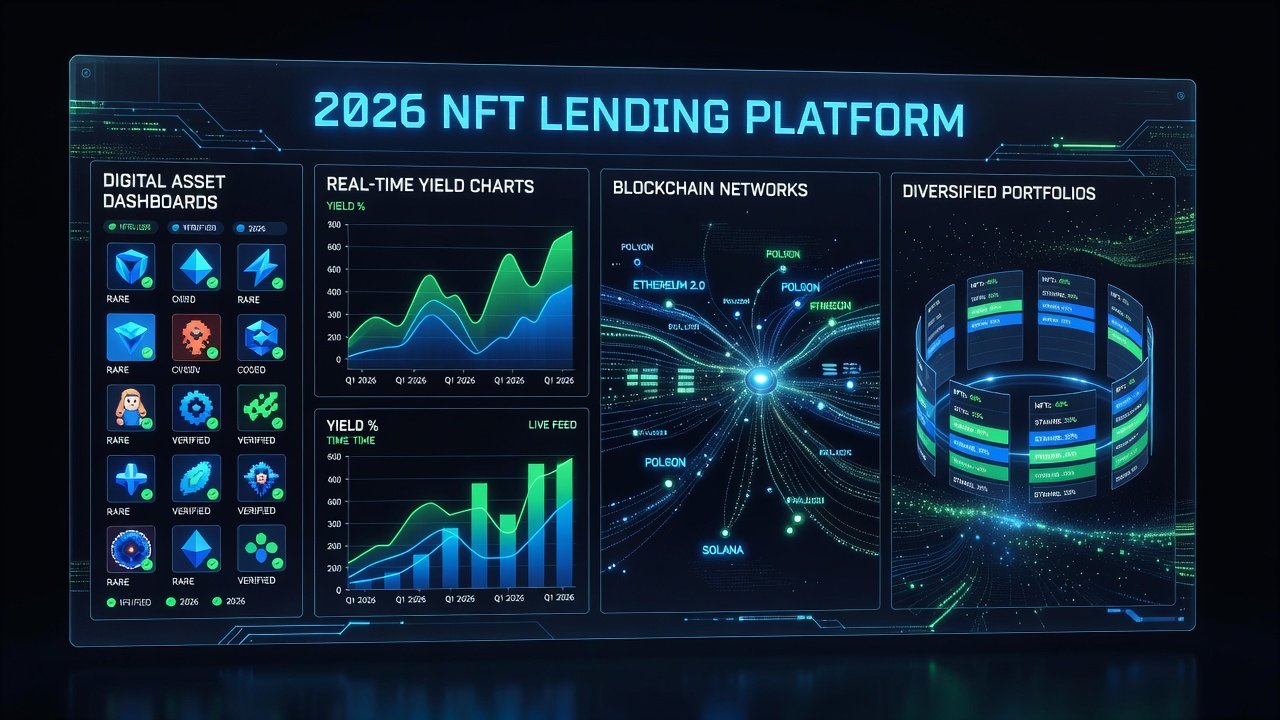
As the digital asset landscape matures into 2026, NFT lending has emerged as a powerful avenue for traders seeking recurring passive income. In this evolving ecosystem, platforms enable holders to unlock liquidity without selling prized collections while lenders earn yields through interest payments. This comprehensive guide explores yield optimization via protocol selection and diversification, covering mechanics, tracking tools, and risk tactics in depth. NFT lending allows collectors to retain ownership of unique digital assets while accessing capital, creating opportunities for both sides of the transaction. With market maturation, sophisticated strategies now focus on maximizing returns through careful platform choice and spreading exposure across multiple protocols and asset types.
P2P Versus Pool-Based Lending Mechanics
Peer-to-peer (P2P) lending matches individual borrowers and lenders directly, often through decentralized protocols where terms like duration and rates are negotiated between parties. This model offers high customization but can involve longer wait times for suitable matches, especially for niche or high-value NFTs. In contrast, pool-based lending aggregates funds into shared liquidity pools, allowing instant borrowing against collateral with algorithmically set rates that adjust dynamically. Pool models typically provide better liquidity and scalability for high-volume traders seeking quick access. Understanding these differences helps optimize returns because P2P may deliver higher negotiated rates in specialized markets, while pools benefit from real-time adjustments based on supply and demand fluctuations. For example, a borrower seeking a short-term loan on a rare collectible might prefer P2P for flexible terms, whereas a lender focused on steady yields often selects pool-based options for predictable interest accrual without manual negotiations.
Real-Time Interest Rate Tracking and Yield Strategies
Successful yield optimization starts with monitoring live rates across protocols using dashboards that aggregate data from multiple sources. Traders diversify across several platforms to capture varying APRs while balancing associated risks. Portfolio allocation frequently favors established collections with strong historical floor price stability for consistent performance. Key tactics include rotating capital toward high-demand assets during market upswings and using automated alerts for rate changes or liquidity shifts. Cross-chain lending expands opportunities by bridging assets between networks for better yields, though users must account for bridge fees and potential delays. Practical examples show lenders achieving superior results by splitting positions between Ethereum-based pools and emerging layer-2 solutions, monitoring rates daily to reallocate when one protocol offers a temporary advantage.
Platform Comparisons and Case Studies
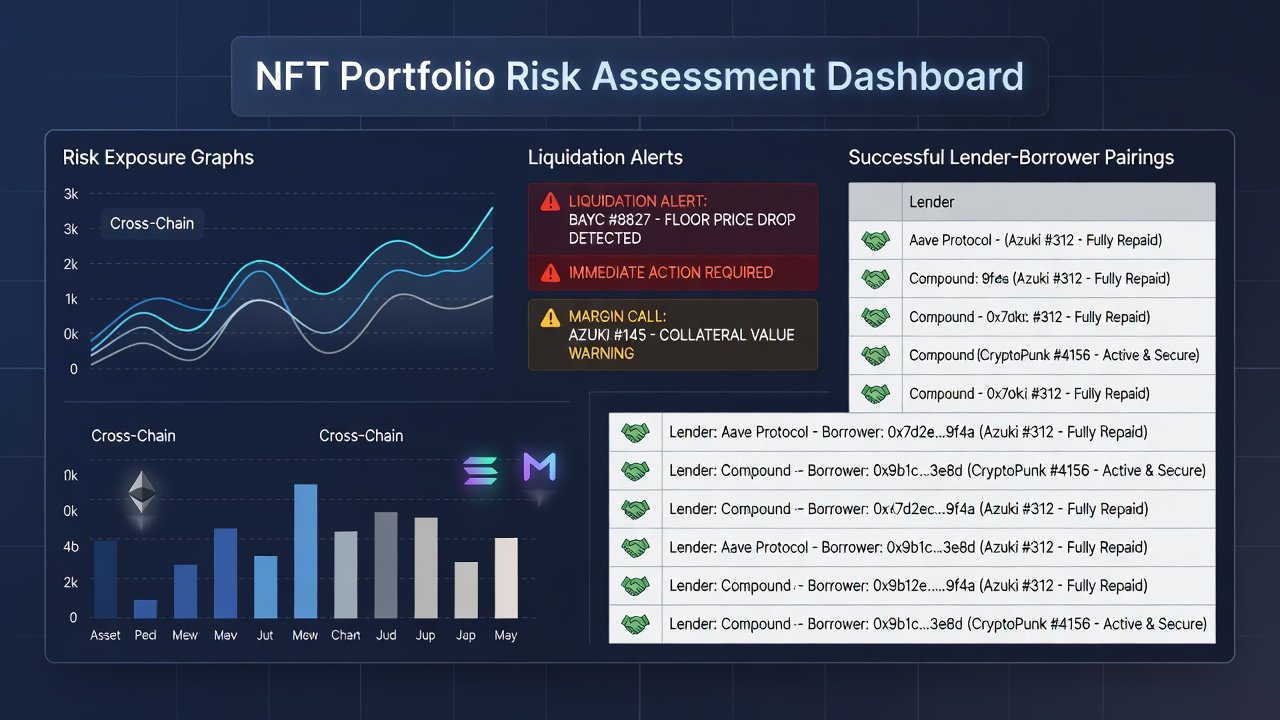
Leading 2026 marketplaces differ in supported chains, fee structures, and built-in risk features such as insurance funds or dynamic loan-to-value ratios. Some emphasize blue-chip NFTs with conservative parameters to minimize defaults, while others cater to emerging collections offering higher potential rewards alongside elevated risks. Case studies reveal successful pairings where lenders achieved consistent returns by focusing on verified borrowers with strong repayment histories, and borrowers leveraged assets efficiently during temporary liquidity crunches without triggering liquidations. One documented scenario involved a lender diversifying across three platforms to maintain average yields even when one market experienced volatility. Another example highlighted a borrower using pool-based mechanics to secure funding against a mid-tier NFT collection, repaying promptly to build credit-like reputation within the ecosystem. These real-world pairings underscore the importance of due diligence and ongoing monitoring.
Ethereum Foundation resources provide foundational insights into smart contract security underlying many platforms.
Step-by-Step Onboarding Tutorials
Begin by connecting a compatible wallet to your chosen platform after researching security features and user reviews. Verify any identity requirements if the protocol operates under regulatory frameworks, then deposit NFTs as collateral or fund lending pools with stable assets. For lenders, browse active listings or contribute to pools while reviewing current interest projections. Always test with small amounts first to familiarize yourself with the interface. Follow these expanded steps for smooth onboarding: first, research and select a protocol matching your risk tolerance by comparing supported assets and historical performance data; second, set up secure wallet connections and enable two-factor authentication plus any available hardware wallet integrations; third, monitor live rates and execute transactions during optimal low-gas periods to reduce costs; fourth, track positions via built-in dashboards and set custom alerts for health factor changes; fifth, document all transactions for later tax and performance review. This methodical approach minimizes errors and supports long-term portfolio growth.
Risk Assessment Checklists and Liquidation Mitigation
Effective risk management prevents common pitfalls such as over-leveraging or ignoring market volatility. Use this detailed checklist before engaging in any lending activity: evaluate floor price volatility of collateral assets over the past 30 days; review protocol audit history and available insurance options; calculate liquidation thresholds based on current market conditions and stress-test scenarios; implement diversification across at least three asset classes and two different chains; monitor health factors in real time using mobile notifications; maintain reserve capital outside the protocol for margin calls; avoid concentrating exposure in a single collection regardless of past performance. Mitigation strategies include setting conservative loan parameters below maximum allowable ratios and using any available stop-loss equivalents or partial repayment features. Diversification across protocols further reduces single-point failures.
Tax Reporting Tips for NFT Lenders
Accurate reporting remains essential for compliance in 2026. Track interest income separately from capital gains realized on collateral during liquidations or repayments. Consult local regulations because NFT transactions may trigger taxable events upon liquidation, repayment, or even interest accrual depending on jurisdiction. Maintain detailed records of all platform interactions, including timestamps, asset identifiers, and wallet addresses. Professional tax software designed for crypto users can help categorize these events correctly and generate required forms.
Investopedia offers guidance on crypto taxation principles applicable to these activities.
Portfolio Diversification Strategies
Beyond basic allocation, advanced users spread exposure by asset category, chain, and lending model. For instance, pairing high-yield emerging NFT pools with stable blue-chip P2P loans creates balance. Regular rebalancing every two weeks based on performance metrics helps sustain yields while controlling drawdowns during market corrections.
Common Pitfalls to Avoid
Many participants lose capital by chasing maximum advertised rates without assessing smart contract risks or liquidity depth. Others neglect gas fee analysis or fail to maintain adequate buffers against sudden price drops. Learning from these mistakes through community forums and historical platform data improves outcomes significantly.
FAQs on Cross-Chain Lending
How does cross-chain lending work? Bridges enable asset movement between blockchains, expanding yield options but introducing bridge risks that require separate evaluation.
What are common pitfalls? Over-leveraging and ignoring cumulative gas fees often erode profits faster than anticipated.
Is it suitable for beginners? Start small, focus on education, and use demo modes where available before scaling positions.
How frequently should rates be checked? Daily monitoring combined with automated alerts provides optimal responsiveness without excessive time commitment.
Conclusion
NFT lending in 2026 rewards informed participants who prioritize strategy, diversification, and continuous vigilance. By mastering these elements through detailed platform analysis, structured onboarding, and disciplined risk controls, traders can generate sustainable passive income while navigating the evolving DeFi landscape effectively and responsibly.
No comments yet. Be the first!