 CryptoChain Blog
Introduction to NFT Lending in 2026
NFT lending has matured into a core component of the decentralized finance ecosystem by 2026. Lenders earn yields by providing liquidity against non-fungible tokens, while borrowers access capital without selling prized digital assets. This approach allows holders of rare digital collectibles to unlock liquidity while retaining ownership potential. Over the past year, participation has grown as more marketplaces integrated sophisticated lending protocols that balance accessibility with security features. This guide examines platform comparisons, yield opportunities, and practical risk management techniques to help both newcomers and experienced users navigate the market effectively. Understanding the nuances of different models helps participants avoid common pitfalls such as over-leveraging or selecting illiquid collateral.
P2P Versus Protocol-Based Lending Models
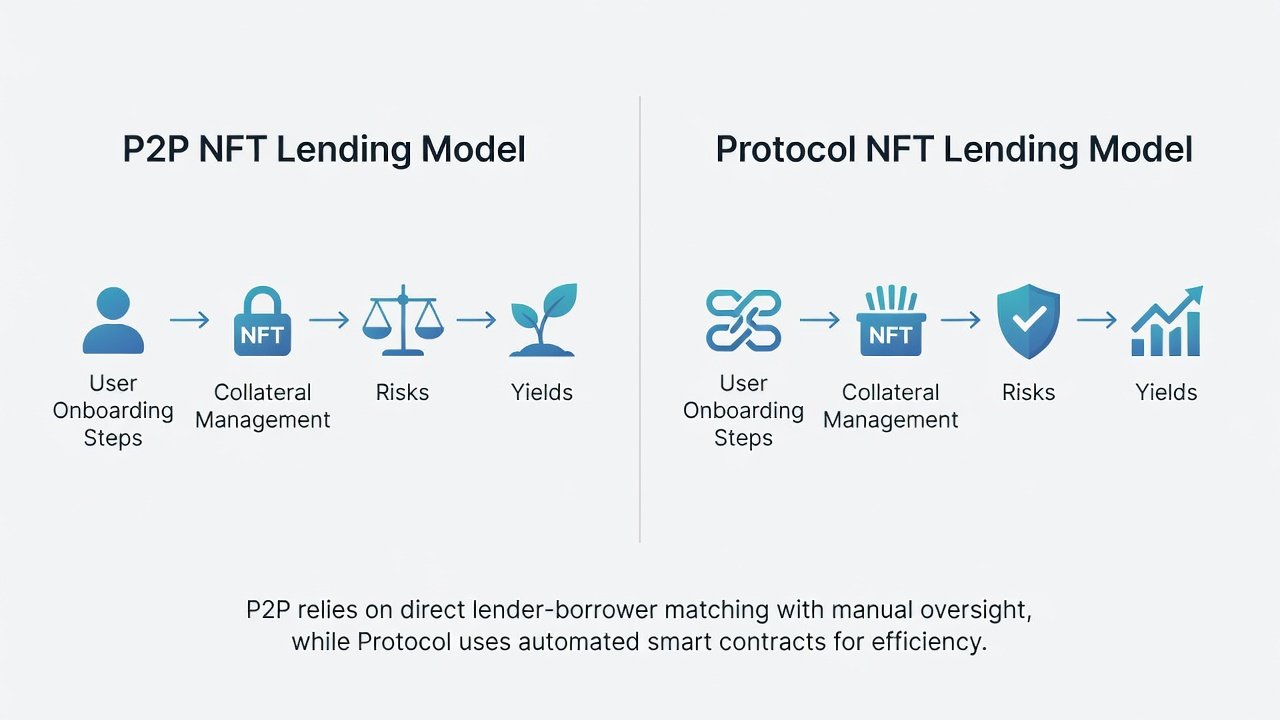
Peer-to-peer (P2P) lending connects individual lenders and borrowers directly through marketplaces, offering flexible terms but requiring active negotiation. Protocol-based models use smart contracts to automate matching, liquidation, and interest calculations, providing greater scalability and reduced counterparty risk. Many platforms now blend elements of both approaches for optimized performance. In P2P setups, users can negotiate custom durations and rates tailored to specific NFT collections, which suits unique or high-value items. Protocol models, however, rely on algorithmic pricing and predefined parameters that ensure consistent execution across thousands of transactions daily.
Key differences include liquidity depth, interest rate determination, and default handling mechanisms. Protocol models often excel in high-volume environments by maintaining deep liquidity pools that reduce wait times for loan fulfillment. P2P shines for unique or high-value NFTs requiring customized agreements where automated systems might undervalue rarity. Participants should evaluate their risk tolerance: P2P may expose lenders to higher default probabilities due to manual oversight, whereas protocols incorporate automated liquidation triggers based on real-time price oracles. Hybrid platforms combine the best of both by allowing optional peer negotiation within protocol guardrails, leading to more resilient market conditions during volatility spikes.
Platform Comparisons and Integrations
Leading marketplaces have expanded lending features significantly. OpenSea integrates lending options that allow seamless collateralization of collections with transparent terms. Blur offers competitive rates through its advanced order book system, appealing to traders seeking fast execution. Additional platforms emphasize cross-chain support and automated collateral monitoring for broader accessibility. When evaluating platforms, consider factors such as supported NFT standards, fee structures, and historical performance during market volatility. Integrations with established marketplaces reduce onboarding friction for users already active in NFT trading.
Real-world examples illustrate these strengths. OpenSea’s lending module supports major collections like Bored Ape Yacht Club and CryptoPunks, providing lenders with dashboard tools to track utilization and projected yields. Blur’s integration focuses on rapid order matching for floor-priced assets, making it popular among active traders who rotate between lending and direct sales. Cross-chain protocols extend these capabilities to Ethereum Layer-2 networks and emerging chains, allowing users to lend against assets from multiple ecosystems without bridging delays. Comparing these requires reviewing user interfaces, support documentation, and community feedback on forums. Users often start with platforms that offer educational resources and testnet simulations before committing larger positions.
Current Yield Ranges and Maximization Strategies
Yields in NFT lending vary based on asset liquidity, borrower demand, and platform incentives. Participants can enhance returns by focusing on blue-chip collections, diversifying across multiple loans, and monitoring utilization rates closely. Actionable tactics include reinvesting interest payments and using analytics tools to identify under-served segments. For instance, concentrating on established collections with consistent trading volume tends to produce steadier returns compared to niche projects prone to sharp price swings. Diversification across five to ten loans spreads exposure and reduces the impact of any single default.
Advanced strategies involve timing entries during periods of high borrower demand, such as before major NFT drops or events that increase utility for certain tokens. Monitoring on-chain metrics like active wallet addresses and floor price trends helps predict yield fluctuations. Some users layer lending with other DeFi activities, such as staking received interest tokens or providing liquidity in related pools. Regular portfolio reviews every two weeks allow adjustments to changing market conditions, ensuring yields remain competitive without excessive risk accumulation.
Step-by-Step Onboarding for New Users
- Connect a compatible wallet to the chosen platform and ensure sufficient gas tokens for transaction fees.
- Verify NFT ownership and select collateral assets that meet minimum value thresholds set by the protocol.
- Review available loan terms and interest rates using built-in calculators to project net returns after fees.
- Approve smart contract permissions and initiate the loan, confirming all parameters on the final confirmation screen.
- Monitor repayment schedules and collateral health via dashboard alerts, setting custom notifications for price movements.
- Withdraw interest earnings periodically or reinvest them to compound returns over time.
Each step includes verification prompts to prevent errors. Beginners benefit from starting with small test loans on platforms offering guided tutorials. Documentation from platforms like Ethereum.org provides foundational knowledge on wallet security and transaction signing that applies across lending interfaces.
Risk Frameworks and Collateral Management Tips
Effective risk management begins with understanding liquidation thresholds and volatility exposure. Maintain conservative loan-to-value ratios to buffer against price swings. Diversify collateral across genres and regularly reassess asset valuations using on-chain data. Common pitfalls include over-leveraging during bull markets and neglecting oracle reliability. Implement alerts for margin calls and maintain reserve liquidity for unexpected events. Collateral management also involves selecting assets with proven secondary market depth so that liquidation, if triggered, occurs at reasonable prices rather than fire-sale levels.
Practical examples show how users protect positions. Setting alerts at 70 percent of the original loan-to-value ratio allows proactive adjustments before automatic liquidation. Tracking historical volatility data for specific collections helps calibrate acceptable risk levels. Avoiding over-concentration in a single genre, such as only profile-picture NFTs, reduces sector-specific downturn impacts. Regular audits of open positions, combined with scenario planning for 20-30 percent price drops, prepare lenders for adverse conditions.
Beginner-Friendly Checklist for Evaluating Loan Terms
- Confirm interest rate type (fixed or variable) and compounding frequency to calculate true annual yields accurately.
- Review liquidation triggers and grace periods, noting any extension options available to borrowers.
- Assess platform insurance or backstop mechanisms that may cover partial losses in extreme scenarios.
- Evaluate borrower reputation scores where available and cross-reference with on-chain activity history.
- Calculate net yield after all fees and gas costs using platform simulators before committing funds.
- Test small loan amounts before scaling exposure to familiarize yourself with the repayment workflow.
- Verify supported asset standards and ensure your NFTs meet eligibility criteria listed in platform documentation.
FAQ on Default Scenarios
What happens if a borrower defaults?
The NFT collateral is typically auctioned through the platform's liquidation engine, with proceeds distributed to the lender after protocol fees. Lenders receive the highest bid amount, which may or may not cover the full principal depending on market conditions at the time of auction.
Can lenders recover full value in defaults?
Recovery depends on secondary market demand for the specific NFT; high-demand assets often cover principal plus interest, while illiquid items may result in partial shortfalls that require accepting losses.
How can users mitigate default risks?
Choose over-collateralized loans, monitor floor prices daily, and diversify across multiple borrowers and platforms. Implementing stop-loss strategies and maintaining emergency reserves further safeguards capital.
Are there insurance options for NFT lending positions?
Some hybrid platforms partner with decentralized insurance protocols that offer coverage policies against liquidation shortfalls, though premiums vary and require separate underwriting steps.
Conclusion
Mastering NFT lending in 2026 requires balancing yield pursuit with disciplined risk controls. By understanding model differences, leveraging established platforms, and following structured evaluation processes, users can participate confidently while protecting capital. Continuous education and cautious experimentation remain essential for long-term success in this evolving space. Regular review of platform updates and community discussions ensures strategies stay aligned with the latest developments in NFT markets.

No comments yet. Be the first!