 CryptoChain Blog
Introduction to NFT Subscriptions in 2026
NFT subscriptions have evolved into essential tools for collectors and traders seeking consistent advantages in a maturing digital asset market. These models provide recurring access to exclusive drops, reduced transaction fees, and cross-platform benefits that help users stay competitive without constant one-off payments. In 2026, the landscape emphasizes sustainability and value retention, allowing subscribers to participate in loyalty programs that reward ongoing activity rather than sporadic purchases.
By late 2026, platforms have refined their offerings to balance accessibility with premium value. This guide examines the leading options, focusing on practical comparisons, onboarding processes, and strategies for long-term savings and rewards. Whether you are a beginner building your first collection or an intermediate trader optimizing multiple portfolios, understanding these systems can significantly impact your overall efficiency and profitability in the NFT space.
Understanding NFT Subscription Models
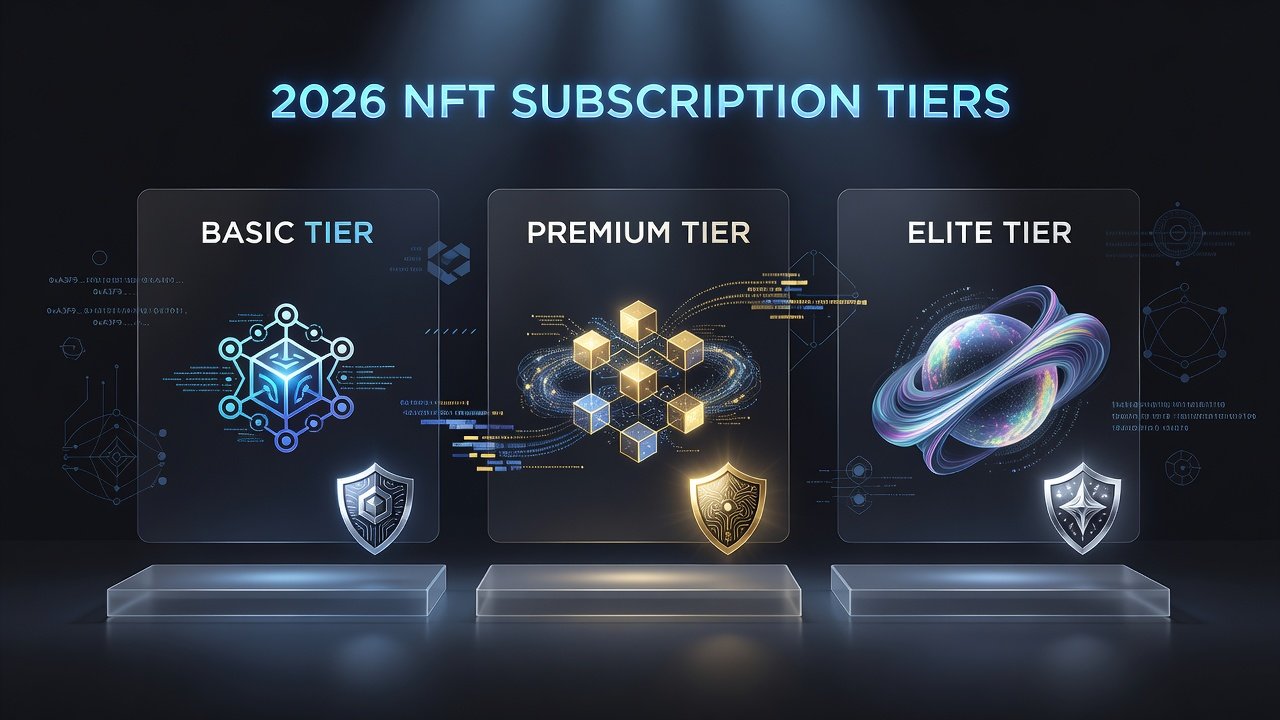
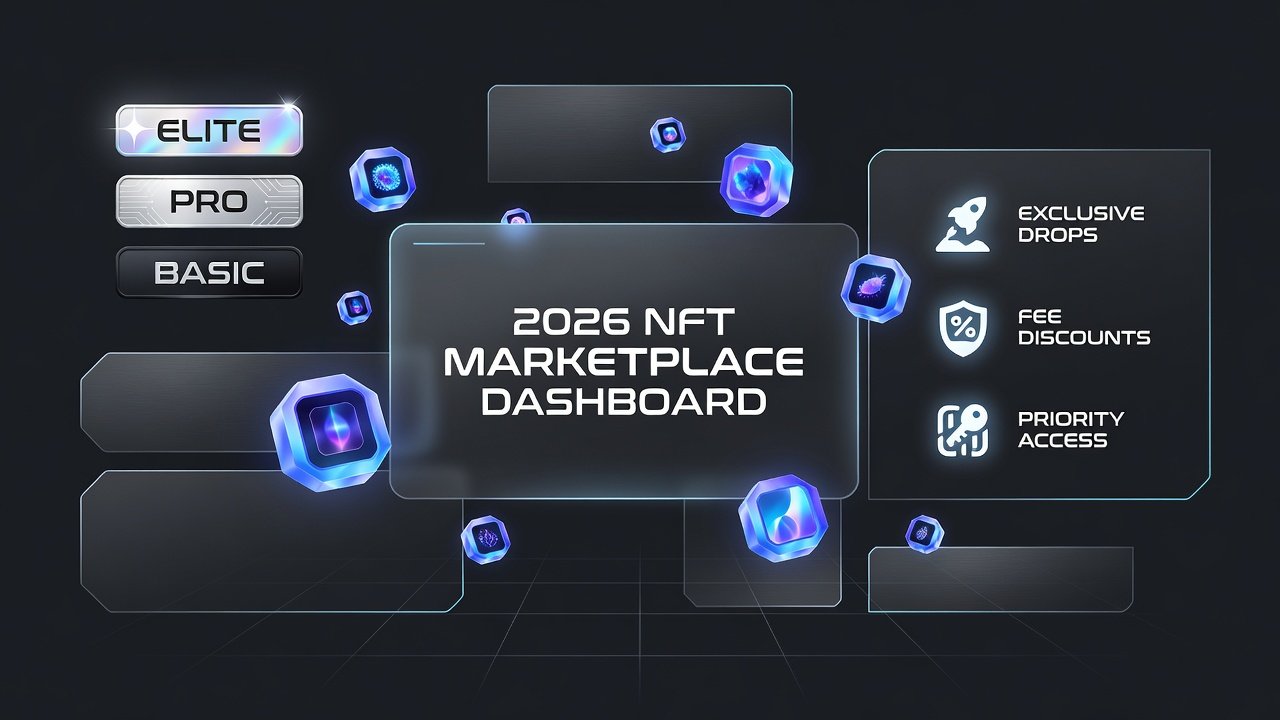
Subscription tiers typically unlock layered benefits that scale with commitment level. Basic plans may offer standard marketplace access and minor visibility boosts, while higher levels deliver priority mints, advanced analytics tools, and substantial fee discounts across transactions. Subscribers often gain from recurring reward pools tied to platform activity, allowing them to earn back portions of their commitment through loyalty mechanisms such as token distributions or credit systems.
These structures encourage sustained engagement. Users who commit to annual plans frequently receive compounded perks, such as boosted visibility for their listings and early access to high-demand collections. The emphasis remains on minimizing friction in trading while building portfolio value over time. For example, a mid-tier subscriber might unlock automated bidding tools that save hours of manual monitoring, turning passive holding into active reward generation without additional effort.
Platform Comparison: OpenSea Versus Blur
Two dominant marketplaces stand out for their subscription frameworks. OpenSea continues to emphasize broad accessibility and creator tools, whereas Blur targets professional traders with aggressive fee structures and liquidity features. OpenSea excels in user-friendly interfaces and extensive educational resources, making it ideal for newcomers exploring diverse genres like digital art or virtual real estate.
Blur focuses on high-volume trading advantages and integrated analytics that appeal to experienced users executing frequent flips. Both platforms integrate seamlessly with popular wallets, though their reward mechanics differ in how they distribute recurring benefits to active subscribers. Cross-comparisons reveal that OpenSea often provides stronger community governance options, while Blur delivers faster settlement times for large trades. Choosing between them depends on your trading volume and preferred asset types, with many users maintaining accounts on both for maximum flexibility.
Tier Breakdowns and Key Benefits
Subscription levels vary in scope and cater to different user profiles. Entry tiers often include modest fee reductions and basic drop access, suitable for casual collectors who want occasional perks without heavy investment. Mid-level plans expand to include advanced filtering tools, enhanced reward multipliers, and priority customer support that resolves issues within hours rather than days.
Top tiers deliver the strongest fee savings alongside priority support and exclusive event participation, such as virtual meetups with artists or early previews of upcoming collections. Cross-platform benefits are increasingly common, allowing subscribers on one marketplace to unlock partial advantages on partner sites. This interoperability helps users diversify holdings while controlling overall costs. Emphasis stays on recurring rewards that scale with trading volume and holding periods, creating a virtuous cycle where active participation directly translates to lower net expenses.
Step-by-Step Onboarding Instructions
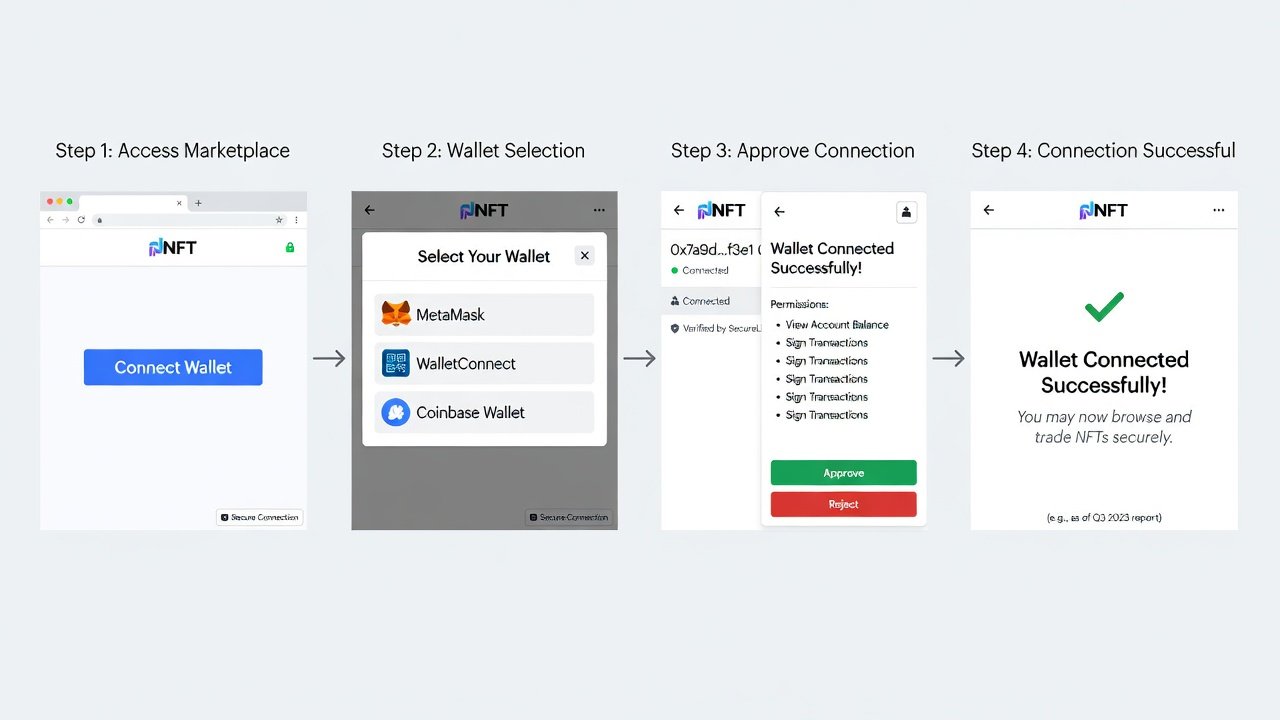
Getting started requires a compatible wallet and verified account. Begin by selecting your preferred platform and reviewing the available tiers in detail, paying close attention to benefit descriptions and any regional restrictions. Connect your wallet through the official interface, ensuring you approve only the necessary permissions to avoid security risks.
Then choose a subscription duration that aligns with your trading frequency, opting for monthly flexibility if you are testing the waters or annual plans for deeper discounts. After payment confirmation, activate any included perks immediately by navigating to the dashboard and enabling features like reward tracking. Verify that all updates appear correctly and explore the exclusive sections unlocked by your tier, such as private Discord channels or specialized marketplaces.
Test small transactions to confirm fee reductions apply as expected before scaling up activity. This methodical approach prevents costly errors during the initial learning phase and ensures you capture every available advantage from day one.
Wallet Integration Tips
Secure wallet setup forms the foundation of any successful subscription strategy. Use hardware options for larger holdings and enable multi-signature features where available to add an extra layer of protection against unauthorized access. Always double-check contract addresses before approving subscriptions to avoid phishing risks that have become more sophisticated in recent years.
Link your wallet to both primary platforms for seamless switching between marketplaces. Maintain separate addresses for testing versus main activity to isolate potential issues and simplify tax reporting later. Regularly review connected permissions and revoke unnecessary approvals through trusted explorers, a practice that should occur at least monthly to maintain optimal security hygiene.
Common Pitfalls to Avoid
- Overcommitting to long-term plans without testing platform stability first through short trial periods or free tiers.
- Ignoring renewal reminders, which can lead to missed reward windows and unexpected interruptions in benefits.
- Neglecting to compare effective costs across tiers after accounting for reward returns, resulting in suboptimal value.
- Using unverified third-party tools for subscription management that may expose private keys or drain funds.
- Failing to monitor gas fees during high-congestion periods, which can erode the advantages of subscription discounts.
- Overlooking regional compliance requirements that might affect reward eligibility or tax obligations.
Maximizing Recurring Rewards While Minimizing Costs
Active participation drives the best returns from NFT subscriptions. Focus on consistent trading within supported collections and monitor reward distribution schedules closely to time your actions for maximum multiplier effects. Combine subscriptions with strategic holding periods to unlock bonus multipliers that compound over months.
Track market conditions to time upgrades or downgrades effectively, perhaps shifting to a higher tier during bull runs when trading volume spikes. Many users maintain multiple tier levels across platforms to capture complementary benefits without overlap, such as using one service for discovery and another for execution. This balanced approach reduces net expenses while amplifying access to premium drops and liquidity events, ultimately creating a more resilient and profitable NFT strategy in the current market environment.
Frequently Asked Questions
How do renewal policies work?
Most platforms auto-renew subscriptions at the end of each cycle unless manually disabled in account settings. Review terms in advance to understand grace periods and any price adjustments tied to market conditions or feature expansions.
What is the cancellation process?
Cancellations are handled through the account dashboard. Select the subscription management section, choose the cancel option, and confirm your decision. Benefits typically remain active until the paid period ends, after which access reverts to the free tier without penalties in most cases.
Can rewards be transferred between accounts?
Reward mechanisms are usually tied to the original subscriber wallet and cannot be transferred. This design encourages genuine platform usage rather than speculative trading of benefits themselves.
Conclusion
NFT subscriptions in 2026 offer structured pathways to enhanced trading efficiency and reward accumulation. By carefully evaluating platform differences, following clear setup procedures, and avoiding common mistakes, users can optimize their experience and maintain cost-effective participation in the evolving marketplace. With thoughtful implementation, these tools become powerful allies for both new and seasoned participants aiming to build lasting value in the NFT ecosystem.

No comments yet. Be the first!