 CryptoChain Blog
Introduction to NFT Marketplace Subscriptions in 2026
The NFT ecosystem continues to evolve rapidly, with subscription models becoming a key way for collectors and traders to unlock premium features. In 2026, leading platforms like OpenSea and Blur have refined their tiered offerings to include exclusive drops, reduced trading fees, and cross-platform integrations that boost retention. These recurring benefits help drive higher trading volumes by rewarding loyal users with ongoing access to high-value opportunities. Subscriptions shift the focus from one-off transactions to sustained engagement, allowing serious collectors to optimize costs and gain early access to curated collections. This comprehensive guide examines the head-to-head differences between major platforms, explores how reward mechanisms influence behavior, and provides a practical decision framework tailored to different portfolio sizes and trading objectives. Understanding these nuances can help users avoid common pitfalls while maximizing returns in a competitive market.
Over the past year, subscription adoption has grown as traders seek predictable savings and access advantages amid fluctuating market conditions. Platforms now compete not only on liquidity but also on the depth of their loyalty programs, making it essential to evaluate long-term value rather than short-term costs alone.
Platform Overview: OpenSea, Blur, and Emerging Contenders
OpenSea remains the largest NFT marketplace with its subscription tiers emphasizing broad accessibility and creator tools. Its ecosystem supports multiple blockchains, making it ideal for users who hold diverse assets. Blur focuses on professional traders through aggressive fee structures and liquidity incentives that appeal to high-frequency participants. Emerging platforms such as Tensor and Magic Eden have introduced competitive subscription perks tailored to niche communities like Solana-based assets, often incorporating staking rewards and community governance features.
Each platform balances core benefits differently. OpenSea prioritizes discovery features and cross-chain support, enabling seamless browsing across Ethereum, Polygon, and other networks. Blur emphasizes speed and volume-based rewards that reduce barriers for active traders. Newer entrants often bundle subscriptions with staking mechanisms or exclusive community events that foster deeper engagement. For example, a collector focused on generative art might find OpenSea's curation tools more valuable, while a day trader could prefer Blur's rapid execution capabilities.
Head-to-Head Comparison of Subscription Tiers
| Feature | OpenSea Premium | Blur Pro | Emerging Platforms (e.g. Tensor) |
|---|---|---|---|
| Exclusive Drops | Priority access to curated collections and early mint opportunities across chains | Early bidding on high-volume listings with advanced analytics previews | Platform-specific artist drops and Solana exclusives with community voting |
| Fee Discounts | Substantial reductions for active traders that scale with usage patterns | Deep discounts tied to monthly volume thresholds and loyalty streaks | Variable discounts with cross-platform perks and staking bonuses |
| Cross-Platform Benefits | Integrations with multiple chains and enhanced wallet connectivity | Seamless wallet bridging tools and multi-marketplace data aggregation | Interoperability with Ethereum and Solana ecosystems for unified portfolios |
| Recurring Rewards | Monthly airdrops, detailed analytics reports, and creator collaboration invites | Volume-based token incentives and priority support channels | Staking yields, governance votes, and limited edition merchandise access |
These differences highlight how platforms cater to distinct user segments. For instance, high-volume traders may find Blur's structure more aligned with frequent activity, whereas casual collectors appreciate OpenSea's ecosystem breadth. Emerging sites often differentiate through specialized verticals, such as gaming NFTs or music collectibles, providing targeted rewards that mainstream platforms may overlook.
How Recurring Rewards Drive Collector Retention and Volume
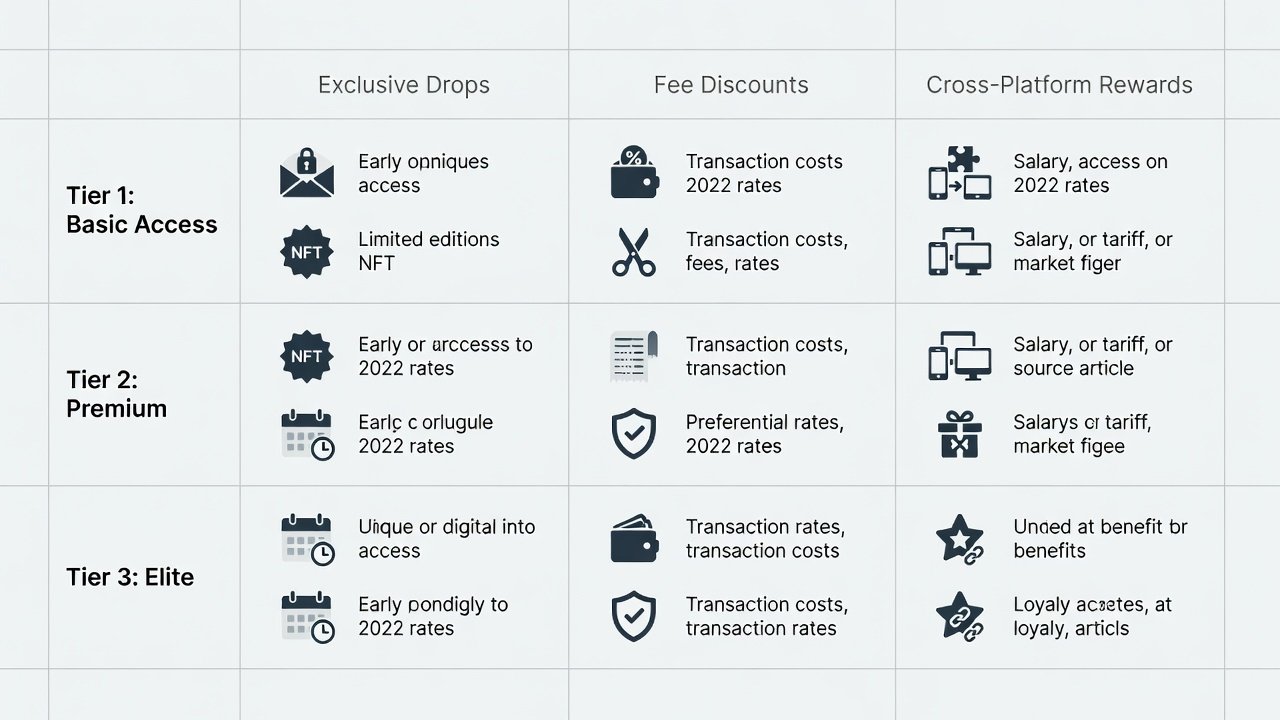
Recurring rewards create powerful flywheel effects in NFT markets. By offering monthly or quarterly perks such as exclusive mint passes and analytics dashboards, platforms encourage consistent logins and portfolio management. This leads to increased trading volume as users capitalize on timed opportunities that non-subscribers miss. Research from industry observers shows that subscribers exhibit higher retention rates because rewards compound over time. For example, fee savings accumulate with each trade, while exclusive drops provide entry points to collections that appreciate in value. The result is a more stable user base that sustains marketplace liquidity even during market downturns.
In practice, a collector who subscribes to multiple tiers might receive overlapping benefits, such as discounted gas routing on one platform and bonus tokens on another. These incentives not only retain users but also encourage cross-pollination between ecosystems. Over several months, the cumulative effect often translates into higher overall trading activity and stronger community participation.
Step-by-Step Guide to Choosing the Right Subscription Tier
- Assess Your Portfolio Size: Evaluate total holdings and average trade frequency. Smaller portfolios may benefit from entry-level tiers that offer basic discounts, while larger ones justify premium access through advanced analytics and priority drops.
- Define Primary Goals: If seeking exclusive art drops, prioritize platforms with strong curation and artist partnerships. For trading efficiency, focus on fee reduction tiers that scale with volume.
- Compare Cross-Platform Perks: Check wallet compatibility and multi-chain support to avoid fragmentation of your assets across isolated ecosystems.
- Review Reward Structures: Calculate potential returns from recurring incentives against the subscription cost by tracking historical performance of similar rewards.
- Test with a Trial Period: Most platforms offer short trials—use these to monitor actual benefits like drop access and savings before committing long-term.
- Monitor Cancellation Policies: Understand refund windows and data retention rules before upgrading to ensure flexibility if your strategy changes.
Real-World Examples and Mistakes to Avoid
Consider a mid-sized collector who upgraded to a premium tier on OpenSea and immediately accessed an exclusive drop that yielded significant returns within weeks. In contrast, a trader who ignored volume thresholds on Blur missed out on stacked discounts that could have compounded savings. Common mistakes include subscribing without reviewing reward eligibility criteria or failing to track cross-platform benefits that could multiply value. Another pitfall is overlooking how staking requirements on emerging platforms might lock up capital that could be used for trading elsewhere. By documenting your activity and reviewing monthly statements, you can adjust tiers proactively.
FAQs on Upgrades, Benefits, and Policies
What happens when I upgrade mid-cycle?
Upgrades typically prorate remaining benefits immediately, granting instant access to higher-tier perks without waiting for the next billing period. This ensures seamless continuity for active users.
Can I cancel anytime?
Yes, most platforms allow cancellation at any time with access continuing until the end of the paid period. Refunds depend on the specific terms outlined in each marketplace's policy, often detailed in their help centers.
Do subscriptions include gas fee coverage?
Some tiers offer partial reimbursements or optimized routing to minimize gas costs, though full coverage remains rare and varies by network congestion.
How do rewards affect taxes?
Rewards received through subscriptions are generally considered taxable events. Consult a tax professional for jurisdiction-specific guidance and record-keeping best practices.
Conclusion
Choosing the right NFT subscription in 2026 requires balancing immediate perks like fee discounts against long-term value from recurring rewards and exclusive access. By understanding platform differences and aligning them with personal goals, collectors can maximize returns while enjoying a more seamless trading experience. As the market matures, these models will likely expand further, rewarding dedicated participants with increasingly sophisticated benefits. For the latest details, visit OpenSea or Blur. Additional resources on blockchain standards are available at Ethereum.org.
No comments yet. Be the first!