 CryptoChain Blog
Introduction to 2026 NFT Updates
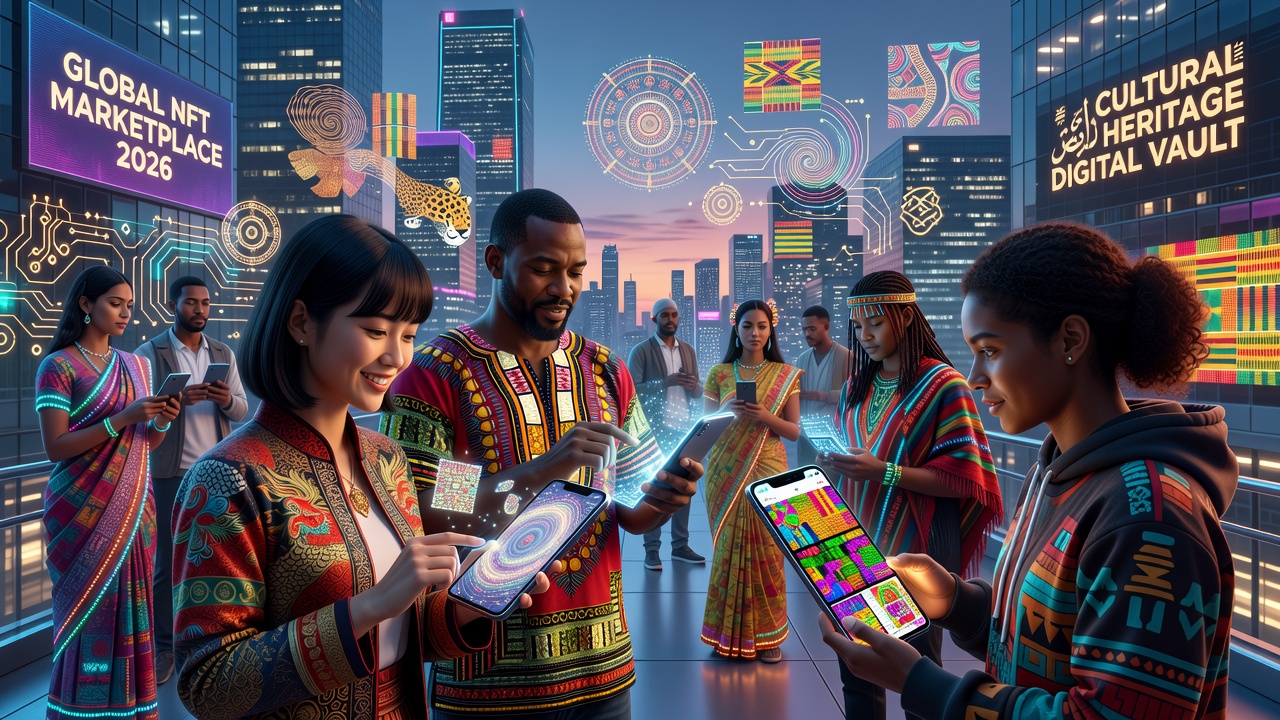
The NFT landscape continues evolving rapidly in 2026, with emerging markets taking center stage as primary engines of growth. While Western platforms once dominated the conversation around nfts and nft marketplace developments, regions across Asia, Africa, and Latin America now drive significant expansion. These areas leverage unique local dynamics including cultural creativity, youthful populations, and technological leapfrogging to fuel adoption beyond traditional trends. This comprehensive look at nft updates reveals how these markets are not merely catching up but actively reshaping global standards for accessibility and innovation.
Key factors include widespread mobile penetration and tailored payment solutions that bypass traditional banking barriers. This shift creates fresh opportunities for creators and collectors seeking nft updates relevant to global audiences. As economic power shifts eastward and southward, understanding these changes becomes essential for anyone involved in the nft ecosystem.
Key Growth Drivers in Emerging Markets
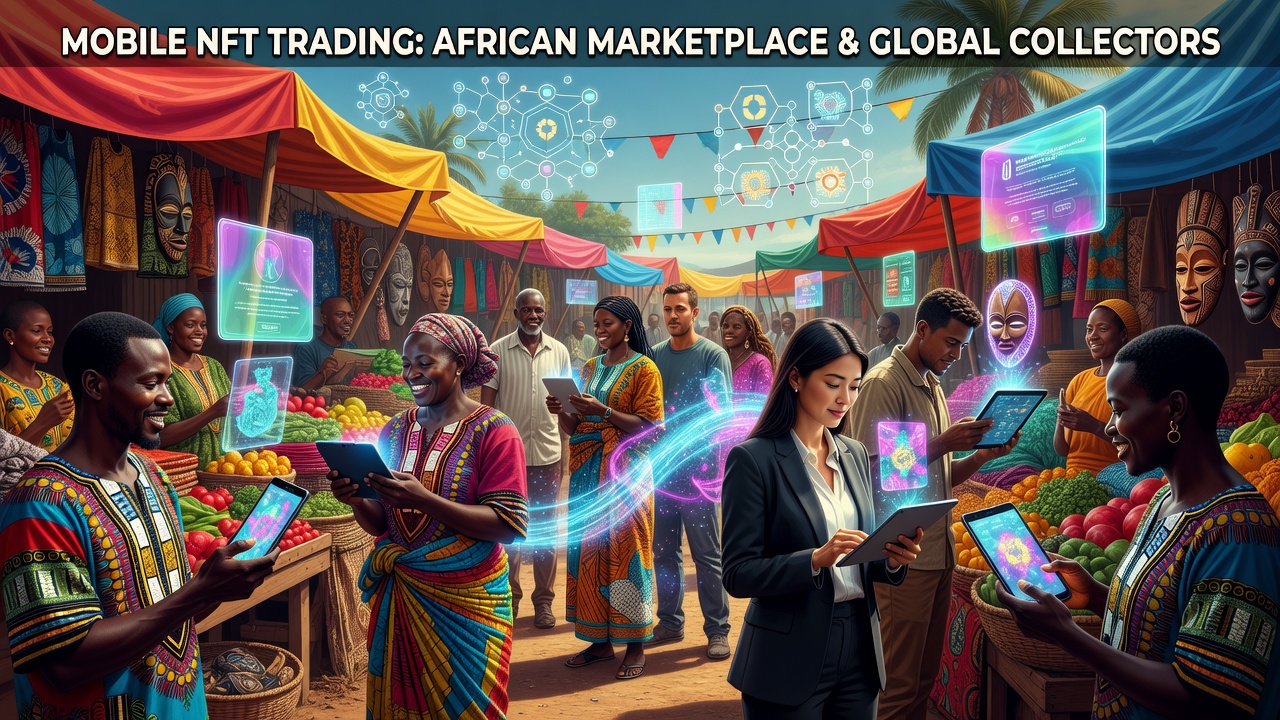
Mobile-first strategies form the backbone of nft marketplace success in these regions. High smartphone usage allows seamless access to decentralized platforms without desktop reliance. In countries with limited fixed broadband infrastructure, mobile devices serve as the primary gateway to digital assets. Local payment integrations, such as mobile money systems, further accelerate transactions by supporting familiar currencies and methods that align with daily financial habits.
These drivers reduce entry hurdles, enabling broader participation from artists, musicians, and small business owners who previously lacked access to international payment rails. As a result, nfts gain traction in everyday commerce and creative economies. Additional catalysts include rising internet literacy among younger demographics and government initiatives promoting digital economies. For instance, several Southeast Asian nations have launched digital literacy programs that indirectly boost nft engagement. In Africa, community-based education on blockchain basics has led to organic growth in user bases. These elements combine to create fertile ground for sustained nft marketplace expansion throughout 2026 and beyond.
Standout Platforms and Regional Success Stories
Platforms tailored to emerging markets stand out by incorporating region-specific features. In Asia, solutions emphasize community-driven marketplaces with support for local languages and cultural themes that resonate deeply with collectors. African marketplaces highlight mobile integrations for quick trades, often partnering with established telecom providers. Latin American platforms focus on cross-border accessibility, simplifying remittances and international sales for creators who rely on overseas buyers.
Real-world examples include high-volume nft sales from creators in Nigeria and Brazil, where digital art tied to local heritage achieved widespread collector interest. A Nigerian artist recently sold a series exploring urban migration stories, drawing buyers from multiple continents. In India, a collective of digital illustrators launched a marketplace section dedicated to festival-themed nfts, resulting in repeated sell-outs during peak cultural seasons. These stories illustrate how nfts transcend borders when marketplaces adapt thoughtfully to local contexts.
Comparisons of Marketplace Features Across Regions
Understanding differences helps creators select the right platforms. In Asia, strong emphasis exists on social features and tiered royalty systems for ongoing creator earnings, allowing artists to benefit from secondary sales over time. African platforms prioritize low-fee structures and mobile wallet compatibility for instant settlements, making micro-transactions viable. Latin American options focus on multi-currency support and regulatory compliance tools to ease international sales while navigating varying tax environments.
- Asia: Advanced analytics dashboards, language localization, and integration with popular social apps.
- Africa: Emphasis on offline capabilities, low data consumption modes, and partnerships with mobile network operators.
- Latin America: Built-in translation services, escrow protections for high-value trades, and educational resources in Spanish and Portuguese.
These differences highlight why creators should evaluate platforms based on target audience location rather than adopting a one-size-fits-all approach.
Practical Steps for Creators to Enter These Markets
Entering emerging nft marketplaces requires deliberate planning. First, research local cultural preferences and trending nft themes through community forums and social media groups native to each region. Second, choose marketplaces with proven mobile optimization and regional payment gateways that minimize conversion fees. Third, partner with local influencers to build visibility and trust among new audiences. Fourth, start with small collections to test demand before scaling production. Fifth, stay informed on evolving regulations via official regional resources and international bodies. Sixth, consider collaborating with local artists for co-created pieces that blend global and regional aesthetics. Seventh, leverage analytics tools within platforms to track engagement patterns specific to each market. These steps, when followed sequentially, increase the likelihood of sustainable success.
Regulatory Hurdles and Mitigation Strategies
Regulatory challenges vary but often involve unclear tax rules or data protection laws. Creators can mitigate risks by consulting local legal experts and using compliant platforms that handle reporting automatically. In some jurisdictions, import duties on digital goods add complexity, while others focus on consumer protection standards for nft transactions. Proactive education and community networks help navigate these issues effectively.
Opportunities outweigh hurdles when proactive measures are taken, positioning nfts for sustained growth in 2026 and beyond. Additional insights can be found through resources like the World Bank and the International Monetary Fund, which track digital economy developments in emerging regions.
Future Outlook for 2026 and Beyond
Looking ahead, integration with metaverse experiences and augmented reality features is expected to accelerate in these markets. Partnerships between nft marketplaces and traditional entertainment industries will likely expand reach further. Global users who monitor these trends stand to benefit from diversified portfolios and early-mover advantages in culturally rich niches.
FAQ
What risks do global users face in emerging NFT markets?
Volatility in local economies and platform security concerns represent primary risks. Diversifying across multiple marketplaces helps manage exposure while monitoring political stability indicators provides additional context.
How can users identify genuine opportunities?
Focus on platforms with transparent transaction histories and strong community feedback. Cross-reference sales data with regional economic reports from sources like the OECD.
Are there advantages for Western creators entering these markets?
Yes, access to untapped audiences and lower competition in niche cultural segments offers significant upside when combined with localized strategies and respectful collaboration.
Conclusion
Emerging markets are fundamentally reshaping the nft marketplace ecosystem in 2026. By embracing mobile-first approaches and local integrations, these regions deliver actionable pathways for global participation. Creators who adapt now position themselves for long-term success amid evolving nft updates.

No comments yet. Be the first!